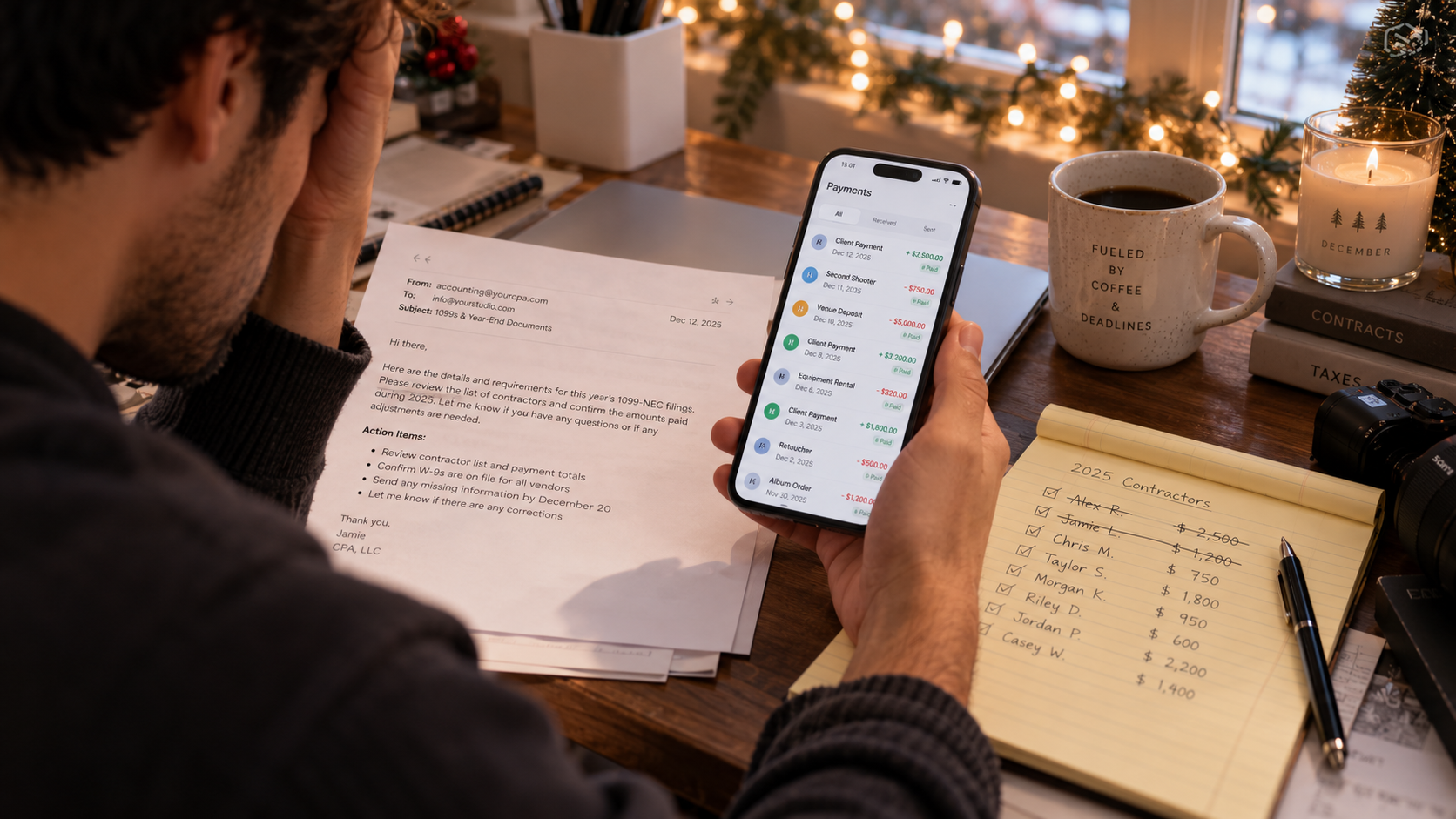
The house is finally quiet at 11pm. Two kids asleep, dishes done. A wedding photographer opens his laptop and starts the second shift: the gallery that's due, the email he's been putting off since Tuesday, the contract that needs one more edit. He'll work until 1am. He's a night owl, he says, and the house is chaotic during the day, so this is when he gets his real work done.
He's not complaining. He's explaining. And every vendor who has run a wedding business through a busy season nods along, because most of them have a version of the same shift. The 5am edit before the kids wake. The Sunday night inbox clear. The email answered from the passenger seat on the way to a venue.
What he said next was the honest part. "I don't think a lot of people realize, until you're a small business owner, how long it takes to write an email." Not one email. All of them. The follow-up, the reminder, the "just checking in on that contract," multiplied across every couple. That's what the 1am shift is made of.
Everyone knows the advice. Set business hours. Put "please allow 48 hours for a reply, longer on weekends" in your signature, because you shoot on weekends. Don't answer email after 6pm. Take a walk. One vendor sets a phone reminder to stop and eat lunch, because she has looked up at 3pm more than once and realized she hadn't.
The advice is right. The reason it fails is that the work doesn't stop when you do. The balance reminder still needs to go out on the 15th. The couple who hasn't signed the contract still needs a nudge. The questionnaire still needs to be sent two weeks after booking. If those things only happen when you sit down and do them, then a boundary just means they happen late, and late is its own kind of stress.
That stress has a cost. In a May 2026 survey of 1,000 small business owners, 53.5% said they lose sleep over the business at least a few times a week, and 45.8% said they'd sacrificed family time. In the wedding industry specifically, burnout and overwhelm topped the list of pain points in the 2025-26 Wedding Pro Survey. Ahead of pricing. Ahead of inconsistent inquiries.
A business owner who coaches vendors put it in a way that changed how we think about this. Every Monday she used to write a to-do list long enough to solve world peace. Then the week happened: a kid got sick, a client had a crisis, she didn't sleep. She has since decided that some days 10% is enough. Not because ambition is bad, but because you cannot give 100% every day, and pretending you can is how the 1am shift becomes permanent.
Ten percent days are only survivable if the business keeps moving without you. That's the real point of automation. It's not about efficiency. It's about being able to have a bad day, or a day off, without anything falling through.
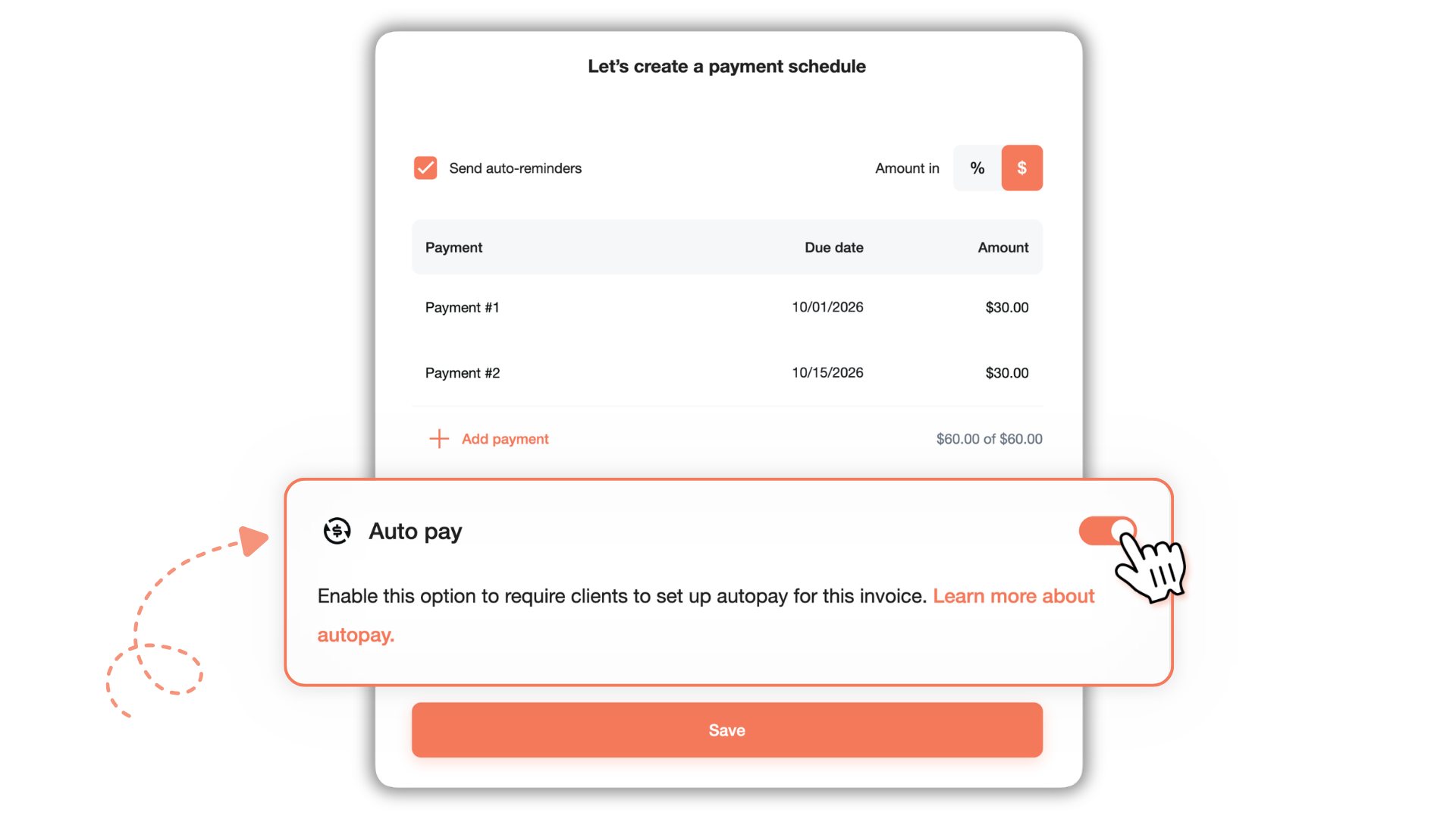
In Maroo, a lot of the second-shift work already runs on its own. Automated payment reminders go out before and after each invoice due date without you writing them. Contract reminders nudge the couple who hasn't signed. Autopay on scheduled invoices means the balance collects itself on the 15th.
Workflows carry the rest. When a contract is signed, a workflow can wait two weeks and then send the onboarding questionnaire. When a questionnaire comes back, it can send your templated next email. Each step has a wait built in, measured in hours, days, or weeks, so the sequence unfolds on the couple's timeline while you're at your kid's soccer game.
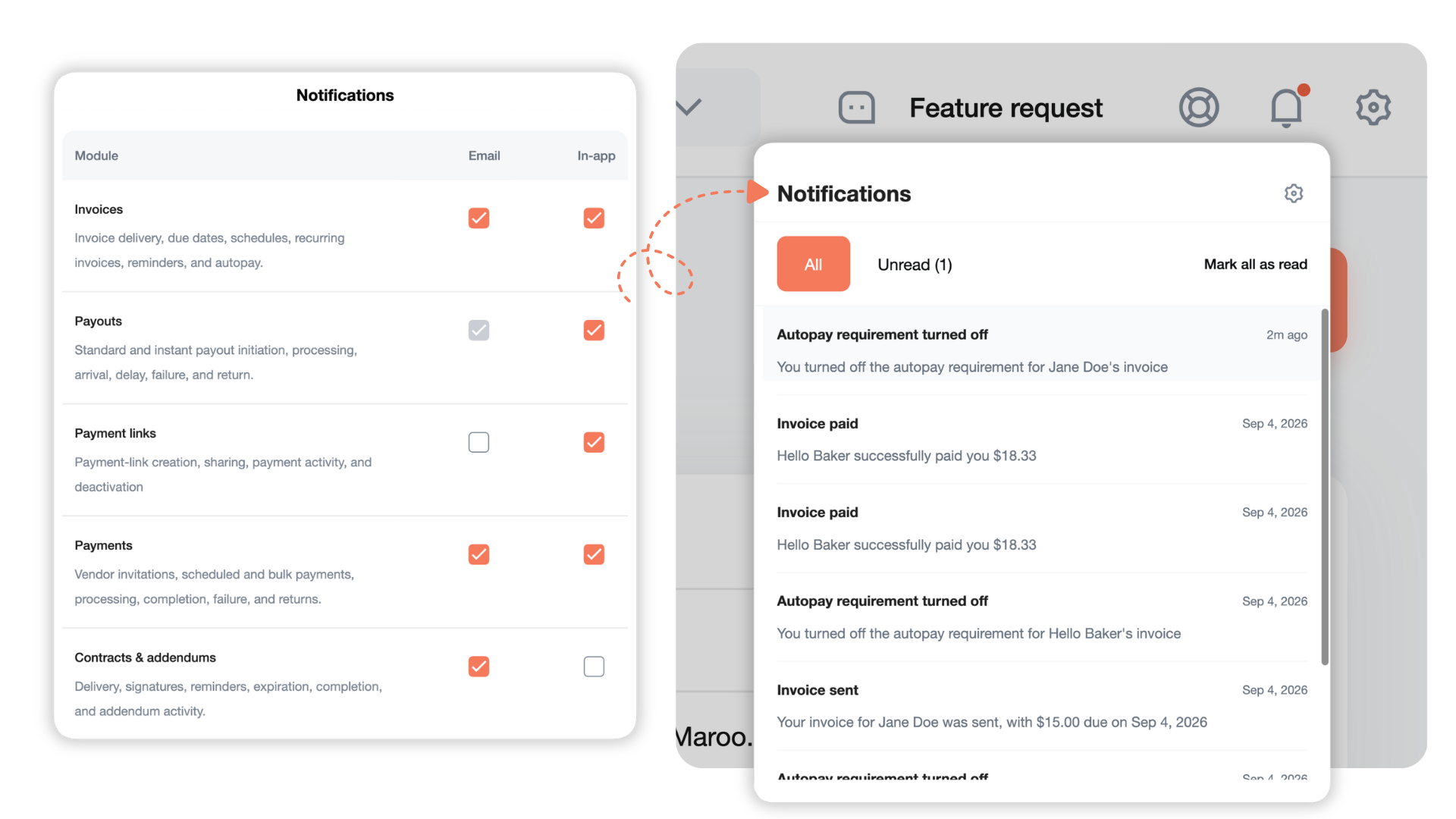
The other half of a boundary is not being pinged about everything. Maroo's notification settings let you choose, module by module, what reaches you by email or in the app. Payment and security notices stay on. The rest is your call. When you close the laptop at 6pm, the things that need you tomorrow are waiting quietly, and the things that don't have already been handled.
The photographer still works late sometimes. The difference is that when he does, it's on the gallery he actually wants to edit, not on the follow-up email that could have sent itself.
Make two lists. Everything that happened in your business last week that required you to type something, and everything that happened on a schedule. Anything on the first list that's also on the second, a reminder, a follow-up, a "here's the next step," is a candidate to run without you. Set up the first one, then set your business hours and mean them.
If you want the reminders and workflows without piecing together separate tools, Maroo is free to start.