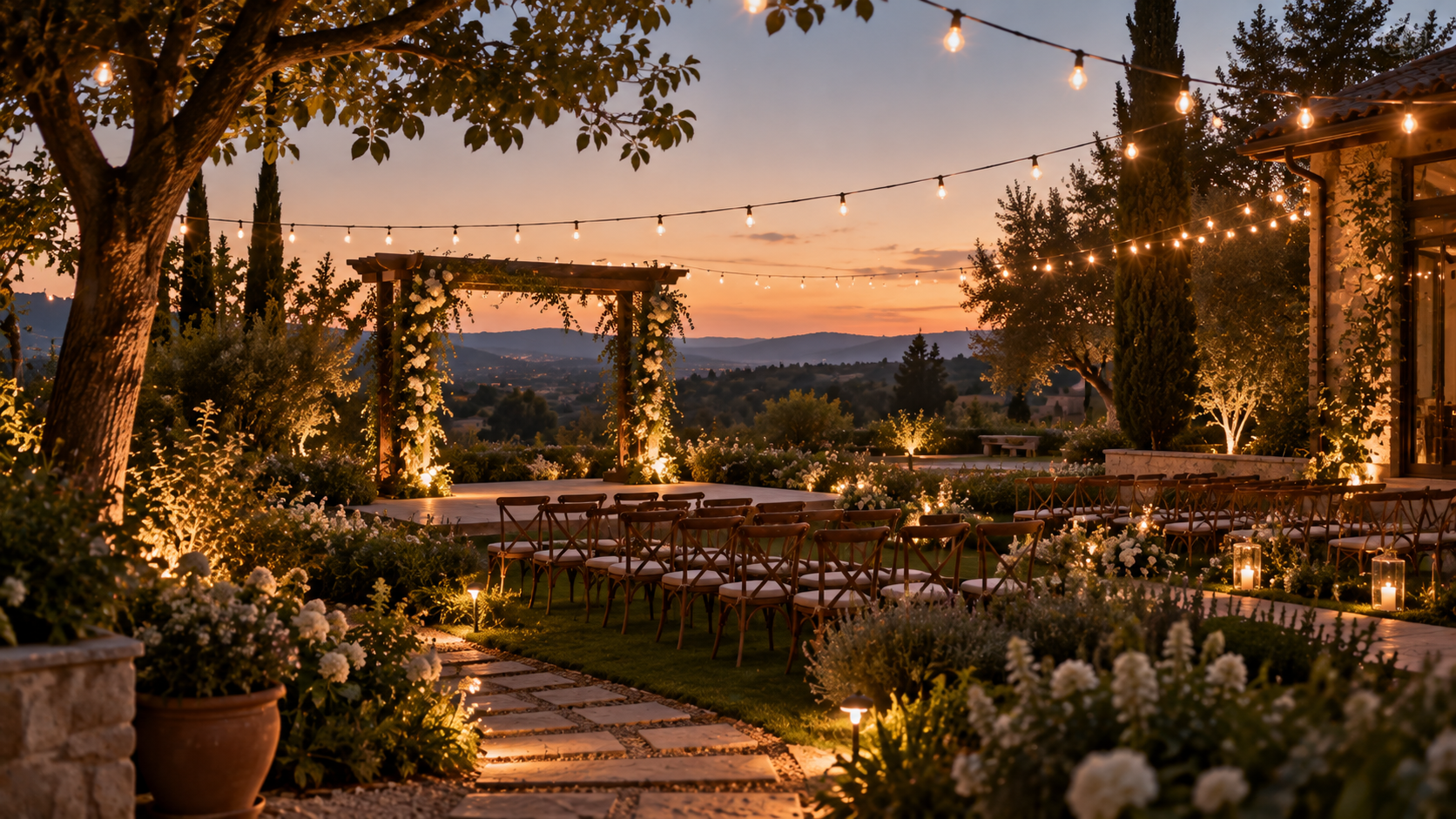
One owner spent the better part of a year turning a neglected lot into a garden venue. They planted beds, built an arbor, strung lights, and poured thousands of dollars and every free weekend into it. The landlord said the property was approved for gatherings. The county said yes when they called. Nobody wrote anything down.
At license renewal, the answer changed. The property wasn't zoned for an event venue. Zoning came out and listed one set of fixes, then the fire marshal came out and listed a different set, and the combined bill made it cheaper to close than to comply. The owner moved every booked couple to another property so nobody lost their date. Then they shut the gates on a place they'd built by hand.
I keep coming back to that story because the failure wasn't about taste or hustle. It was paperwork. And most of the ways venues get hurt in their first few years look exactly like that: a system nobody set up because the fun part of the job was somewhere else.
Venue coaches hear the same question constantly. Someone signs a lease or closes on a property, the mortgage clock starts, and they realize they don't know how to run the business part. Do they have an LLC? An EIN? A separate bank account? Insurance? Do they know their state charges sales tax on some of what they sell?
Coaches who work with first-time owners often send them somewhere unglamorous before they'll talk about decor or pricing: a Small Business Development Center, a workforce development program, or a community college class on starting a business. That's where you learn the order of operations. Register the business, get the EIN, open the bank account, buy the insurance, register for sales tax. It isn't exciting. It's also the difference between operating a venue and operating one legally.
The odds aren't kind to people who figure it out as they go. Bureau of Labor Statistics data from 2025 shows 77.9% of new U.S. establishments survive their first year, and only about half are still open after five. Venues carry more fixed cost than most small businesses, so the margin for "we'll sort that out later" is thin.
The fix for the zoning story is boring and it works: get zoning and the fire marshal on site at the same time, so their requirements get reconciled in one visit instead of bouncing you between offices. Then get every approval in writing and keep it where you can find it. The same rule applies to everything that follows. If it isn't documented, it didn't happen. If you're still at the planning stage, our guide to building a venue business plan walks through the setup steps in order.
Documentation starts with the first inquiry. A venue running on a shared inbox and a spreadsheet has no reliable record of who asked what, when they toured, or what price they were quoted. Maroo's CRM captures inquiries from your website form, sends an automatic reply with your rates and a tour-booking link, and keeps every note and follow-up attached to the lead. When a question comes up later, the answer is on file.
Here's a scene that plays out at venues that sell packages. A couple's milestone payment is due three weeks before the wedding. It doesn't come. The florist needs to place the flower order now, and the florist has no contract with the couple. They have one with you.

Plenty of experienced owners pay the florist out of pocket in that moment. They know the couple will probably pay, they don't want a vendor wondering whether their money is safe at this venue, and the relationship is worth more than the float. It's a decent instinct. It's also how a venue ends up quietly financing other people's weddings.
The numbers say this isn't rare. In the Intuit QuickBooks 2025 Small Business Late Payments Report, 56% of small businesses said they were owed money on unpaid invoices, and the average amount owed was $17,500. Almost half had invoices more than 30 days overdue.
You can't stop every couple from paying late. You can make lateness rare and visible. Set every milestone due date well ahead of the date you owe vendors. Put the vendor-cost portion of the package on the earliest milestones, not the final balance. And stop relying on memory to send reminders.
Then decide, before it happens, what a missed payment means. Is there a grace period? A late fee? At what point does the venue stop ordering on the couple's behalf? Couples take deadlines seriously when the contract says what happens if they miss one, and you'll have an easier conversation pointing to a clause than improvising one two weeks out.
Maroo's invoicing builds payment schedules around your venue milestones (deposit, midpoint, final balance, add-ons) and sends reminders automatically before each due date. Couples pay online by card or bank transfer without creating an account, and ACH and debit payments carry zero processing fees. You see who's paid and who hasn't on the booking record before event week, not the morning of.
Couples hire a lot of people. The Knot's 2026 Real Weddings Study found the average couple used 13 vendors for a $34,000 wedding. Picture writing separate checks to the baker, the florist, the DJ and the rental company while also planning a wedding. It's exhausting, and it's why so many couples like venues that bundle.
When the venue collects everything and pays the vendors itself, the couple deals with one invoice and one relationship. That's a better experience, and it's often where the real money is. Owners who post huge months usually aren't getting there on space rental. They're getting there on linens, backdrops, uplighting, bar packages and every other add-on that rides along with the booking.
The catch is that you're now holding other people's money. You need to know which vendor is owed what, for which event, and whether you've paid them. You also need to understand how each vendor operates. If you promised the couple garden roses and a vendor shows up with carnations, the couple blames the venue, not the florist.
The other test comes after the wedding. Can you say, for every event last season, how much the couple paid, how much went to each vendor, and what the venue actually kept? A lot of package venues can't, because the money came in through one app and went out through checks, Venmo and a couple of bank transfers. That's how an owner has a "great year" on paper and a thin one in the bank account.
Maroo keeps the incoming side and the outgoing side in one place. The couple pays you against a single itemized invoice, and you pay vendors by ACH from the same account, so the booking record shows money in and money out. We covered the mechanics in more detail in our guide to paying subcontractors without losing 3% to fees.
Ask a venue owner with a few years in how their contract got so long, and you'll get a list of stories. The guest who brought glitter confetti into a room with a no-glitter rule. The vendor substitution nobody approved. The couple who assumed the ceremony chairs could move outside at no charge. Each one became a clause.
That's normal. A venue contract should keep changing, the same way a business plan does. What matters is that it covers the operational basics (house rules, vendor substitutions, payment deadlines tied to your date hold, weather plans, capacity limits, annual fire extinguisher inspections, accessibility) and that you revise it every season instead of after every disaster.
The other gap is timing. A date isn't protected until the contract is signed and the deposit has cleared. When those happen in different tools on different days, dates end up "held" on a verbal yes.
Maroo's contracts link directly to the deposit invoice, so the couple e-signs and pays in one step and the date is locked only when both are done. When you revise your terms for next season, you update the template once and every new booking uses the new version.
The most common surprise among new venue owners isn't a bad review. It's finding out they owed sales tax. Rules vary by state, and they're more specific than most people expect. In California, for example, the state's tax agency treats a bare room rental as nontaxable, but tables, linens and lighting rented with it are taxable, and so are bar service charges and mandatory coordinator fees. Bundle those into a package and your tax picture changes.
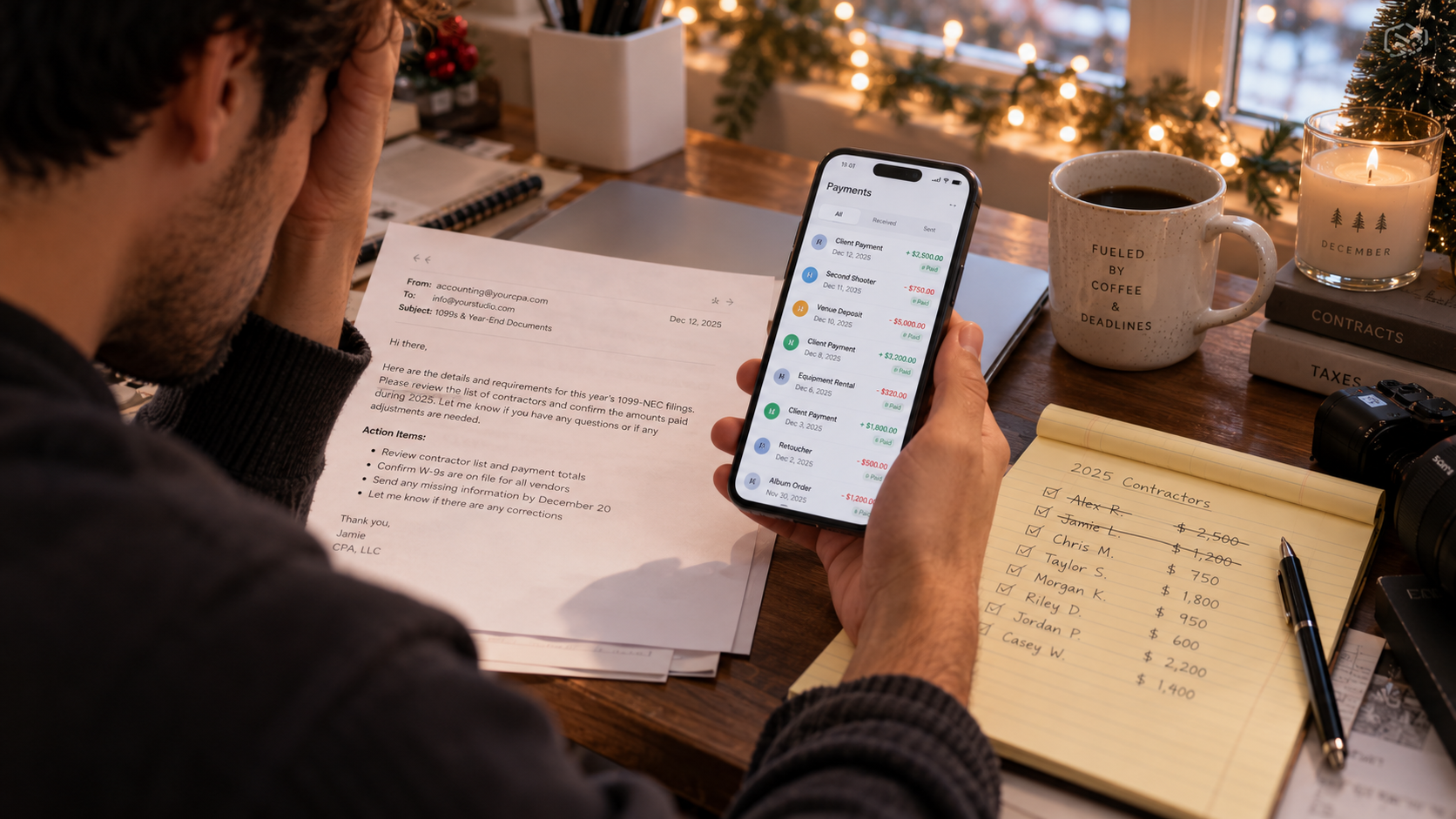
Then there's the vendor side. If you pay florists, DJs, bartenders or day-of staff as independent contractors, you owe many of them a 1099-NEC. The reporting threshold rose from $600 to $2,000 for payments made in 2026, which helps, but a venue paying the same florist for twenty weddings clears that easily. You also need their W-9 on file before tax season, not after.
Skipping it isn't free. For returns due in 2026, the IRS charges $60 per late 1099 if you're up to 30 days late and $340 per form if you file after August 1 or not at all. Across a vendor list of twenty or thirty people, a missed deadline turns into a real bill.
Maroo stores W-9s, prepares 1099-NEC forms from the payments you've already made through it, and e-files them. It also syncs with QuickBooks, so your accountant sees the same numbers you do.
You don't need to fix everything at once. Get your zoning and permits documented. Put your next booking on a payment schedule with automatic reminders. Collect a W-9 from every vendor before you pay them again.
Maroo was built for exactly this kind of venue work: inquiries, contracts, payment schedules, vendor payouts and 1099s in one place. You can start free and move one booking over to see how it fits.