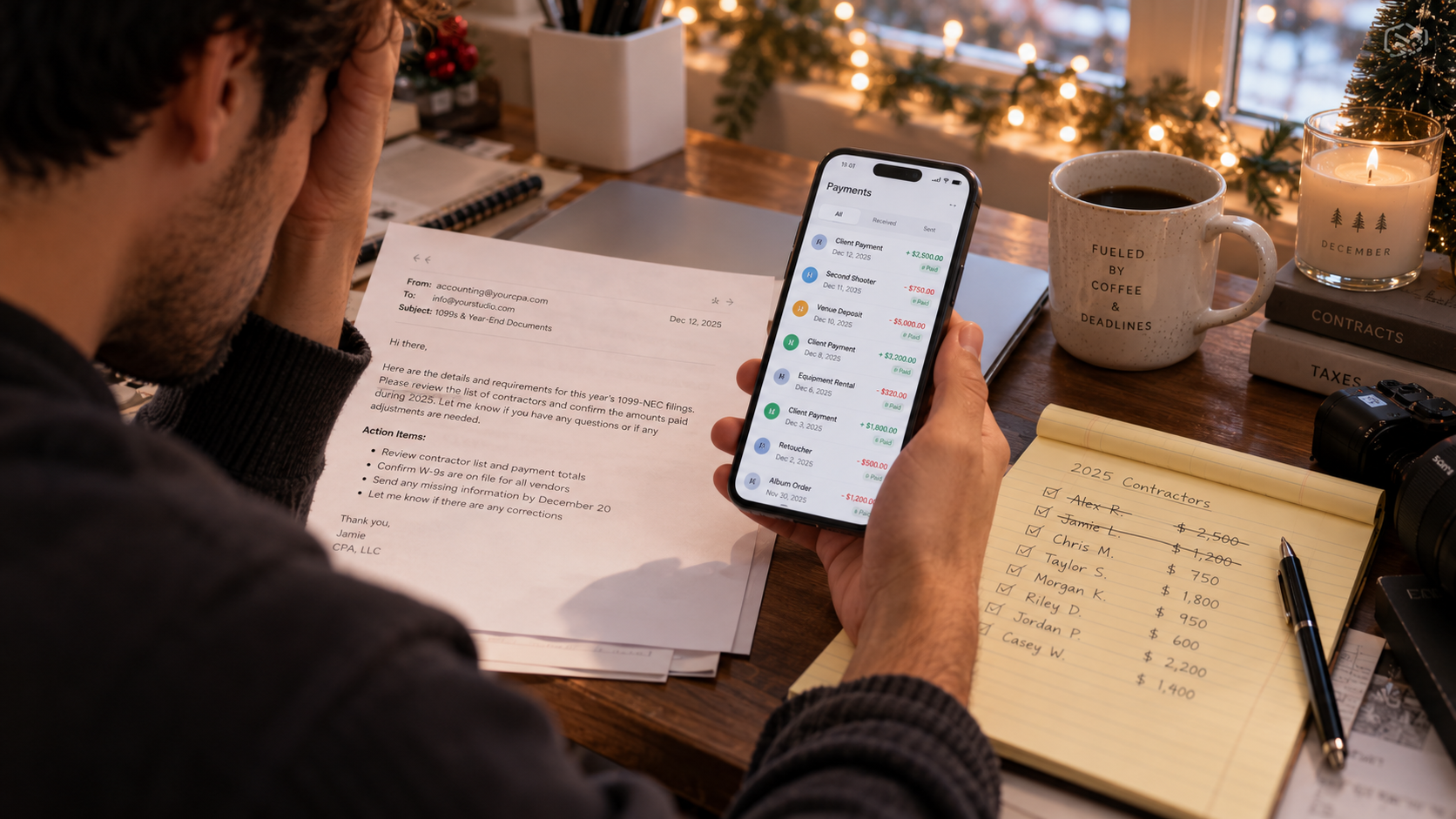
Two event business owners sit down in December to plan the next year.
The first one opens last year's revenue, adds 15%, and writes it on a sticky note. Then they get back to work and hope.
The second one starts with a different question: what do I want next year to look like? How much do I want to take home? How many events do I want to work personally? Who would I need to hire to cover the rest, and what would they cost? By the end of the afternoon, they don't just have a revenue goal. They know they need 25 inquiries in February.
Guess which one has a calmer year.
The difference isn't intelligence or ambition. The first owner has a target. The second owner has a plan, and a plan tells you every month whether you're on track.
Budgeting backwards flips the usual order. Instead of predicting revenue and fitting your life around it, you price the year you want and then figure out what it takes to fund it.
Coaches who teach this say the first pass almost always shows the same thing: owners aren't charging enough to fund anything beyond their own labor. That's useful to know in December, not in August.
Now go backwards from the target.
That last number goes to whoever runs your marketing, even if that's you on a Sunday night. If February brings 12 inquiries instead of 25, you know in February, while there's still time to do something about it.
One warning: the money already on the books isn't in your account yet. In the 2025 Intuit QuickBooks Late Payments Report, 47% of small businesses had invoices more than 30 days overdue. And cushions are thin. The JPMorgan Chase Institute's 2016 study of 597,000 small businesses found the median one held just 27 days of cash. A plan built on payments that arrive late is a plan that breaks in your slow season. For more on how seasonal pros manage this, see our post on cash flow for destination photographers.
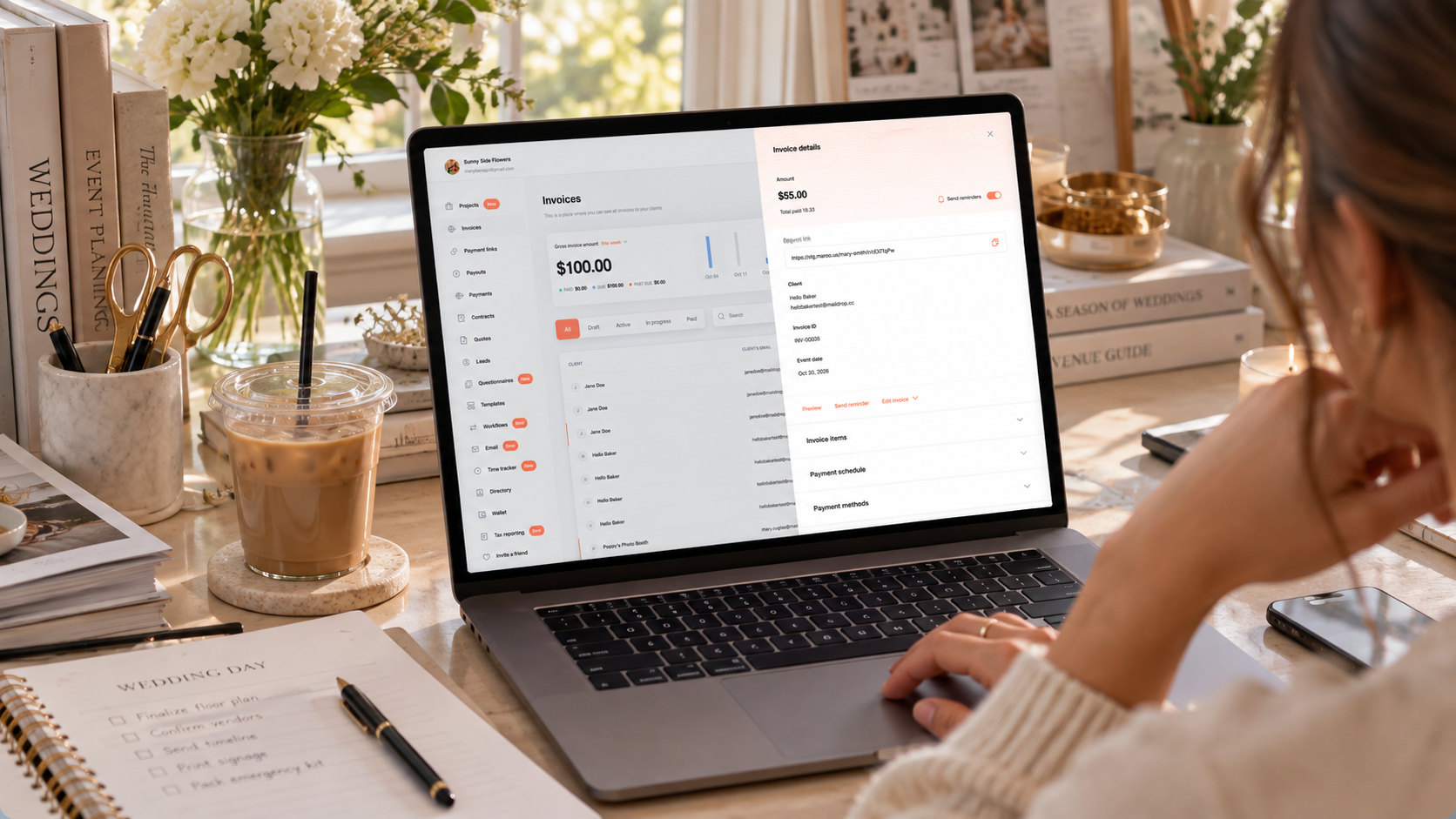
Budgeting backwards only works if you can see what's actually booked. Maroo's invoicing puts every client on a payment schedule, so future installments show up as real, dated money instead of a number in your head. Automatic reminders go out before each due date, and you can see which bookings are paid and which are behind. When you sit down next December, the "already on the books" line takes minutes instead of a weekend.
The takeaway: this week, write down the one number most owners never calculate: how many leads you need next month to hit your goal.