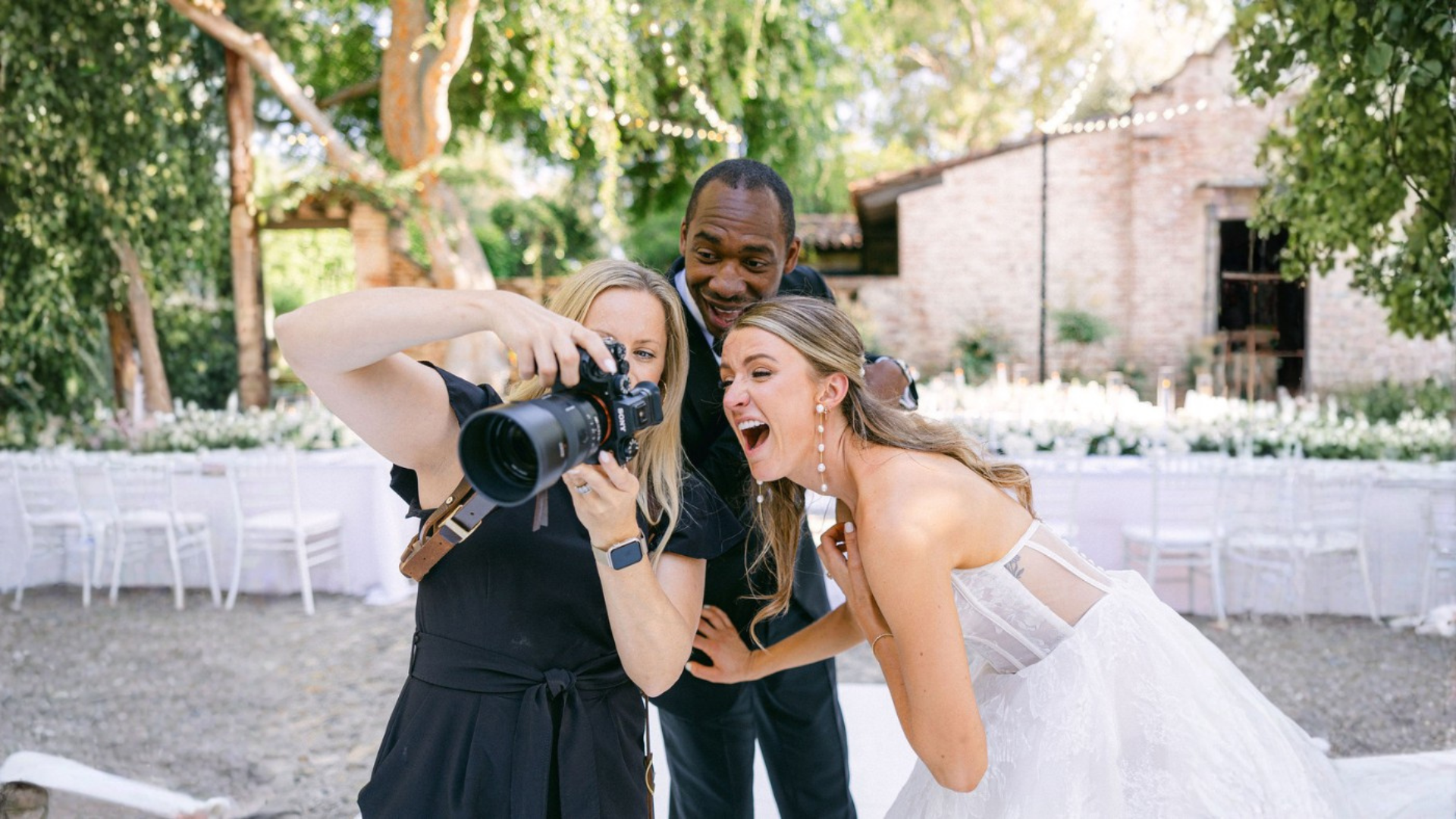
A photographer I know spent seven years shooting weddings on the side. Corporate job during the week, weddings on weekends. She wasn't planning to go full-time. It wasn't even on her radar. Then one client left a review so good it sent 75 inquiries to her website in a month. She booked 25 weddings in four weeks.
That was the tipping point. But here's the thing everyone misses about that story: the review didn't build her business. She'd already built the business. The review just turned on the faucet. When the inquiries showed up, she had a website, a pricing structure, a CRM, contracts, and a way to collect payment. She was ready.
Most photographers who want to go full-time start with the wrong step. They post on Instagram, they reach out to vendors, they start marketing before the business behind it exists. That's backwards. Here's what actually needs to happen first.
You need a portfolio before you need a following. Not 200 images. About 50 portfolio-worthy photos that show range, consistency, and your editing style.
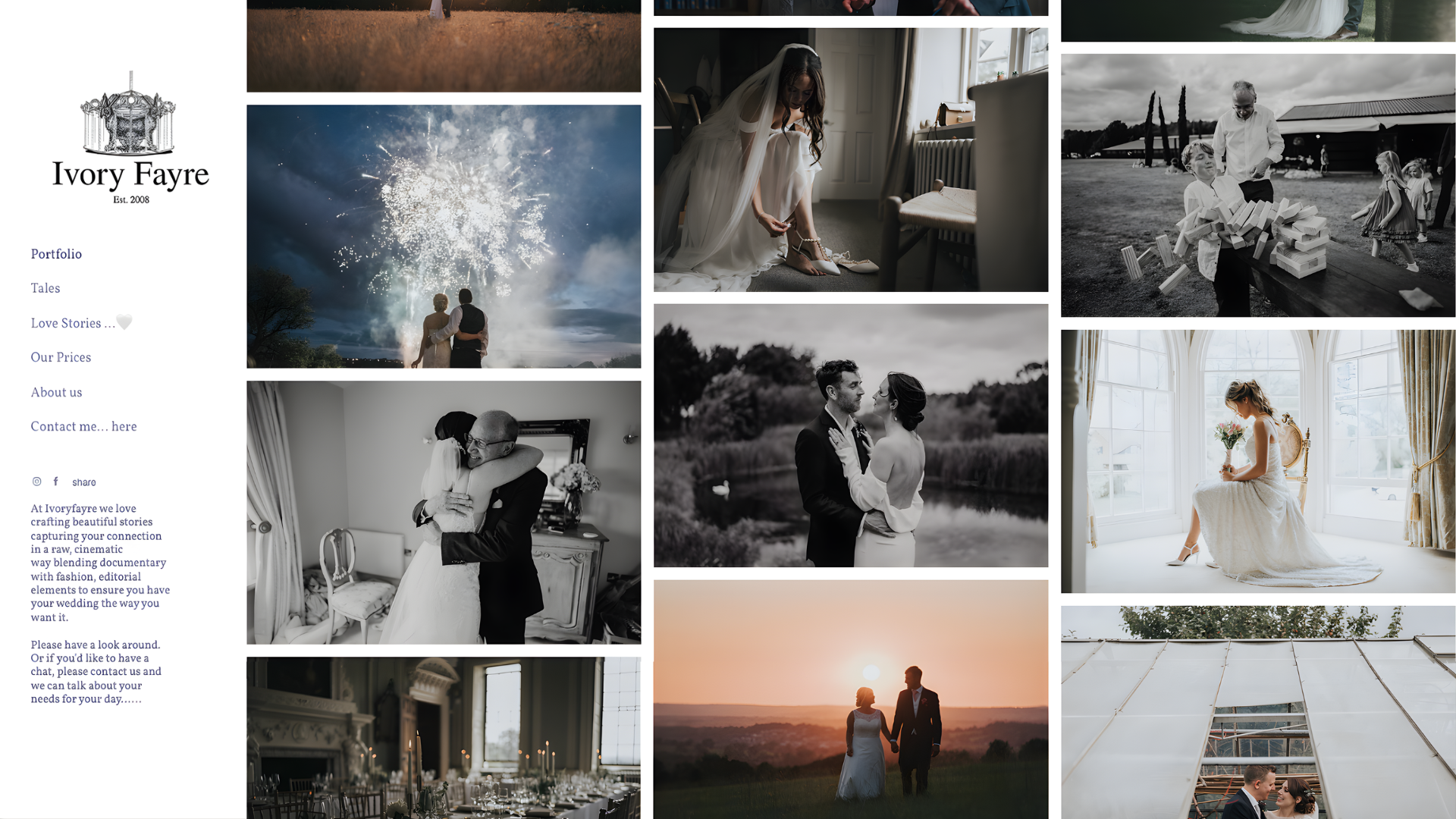
That means shooting for free at first. Friends' engagements. Styled shoots. Content creation days where other photographers host models and setups. Second shooting for established photographers who'll let you use the images. You're not trying to make money yet. You're building a body of work that proves you can deliver.
The important word there is diversity. If your portfolio is five shoots of the same couple in the same park, potential clients have no way to know if you can handle a ballroom, a barn, or a rainy outdoor ceremony. Shoot different people, different settings, different lighting. That's your proof of concept.
According to the U.S. Chamber of Commerce, 48.4% of small businesses fail within five years. A major reason: they skip the operational foundation.
For photographers, that foundation is an LLC or S-Corp, a dedicated business bank account, liability insurance, an EIN, and an accountant. Not a DIY TurboTax situation. A real accountant.
One photographer I spoke with operated as a sole proprietor for years. Business and personal money ran through the same checking account. Every tax season was hours of scrolling through bank statements trying to figure out which charges were business expenses. She eventually set up an S-Corp, opened a business account, and said it was the single best decision she made as a business owner.
There's a reason to take this seriously. A Government Accountability Office report found that sole proprietors underreported their net income by 57%, and they were nine times more likely to be audited than S-Corps. If you're mixing personal and business finances without structure, you're making yourself a target.
A good accountant will tell you whether an LLC or S-Corp is the right fit. They'll handle quarterly estimated taxes so you don't eat an 8% underpayment penalty at the end of the year. And they'll keep your books clean so you never have to dread April.
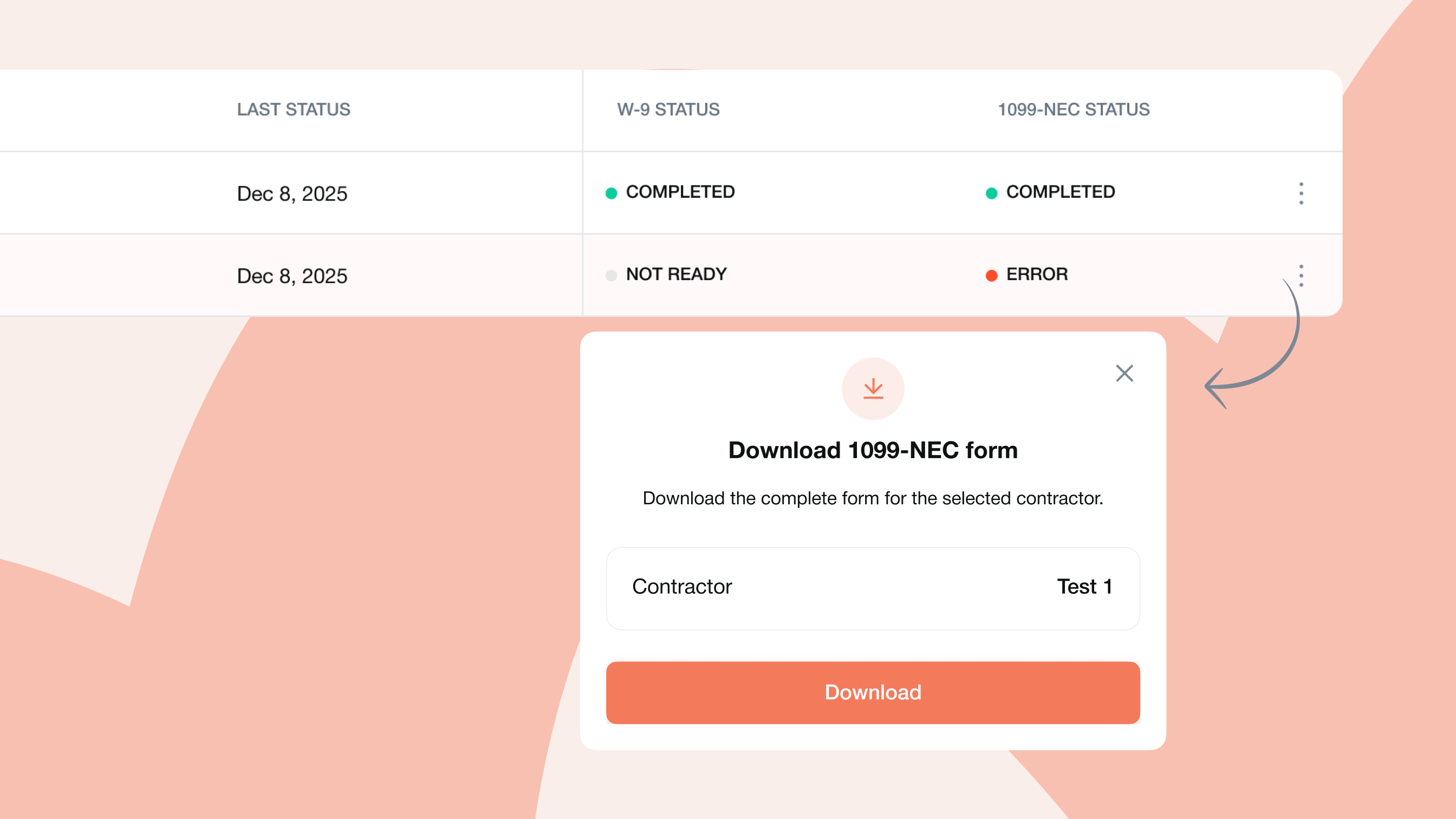
If you're paying contractors like second shooters or assistants, your books get even more complicated. You need W-9s on file and 1099-NEC forms filed at year-end. Platforms like Maroo handle contractor payments with free ACH transfers, store W-9s, and auto-generate 1099s for IRS e-filing, which takes the entire task off your plate.
Here's a story that should scare every photographer. A wedding photographer built a three-tier package system. Two thousand, three thousand, four thousand dollars. Classic setup. After a few seasons, he ran the real numbers on his top-tier package: 12 hours, album, parent books, two shooters. By the time he paid the second shooter, covered album production, and accounted for the extra hours, his $4,000 package netted him less than his $3,000 one.
He was losing money on his most expensive offering and didn't know it.
According to a Fearless Photographers survey, the average cost of wedding photography in the U.S. sits just above $3,700 for eight hours. TheKnot and WeddingWire put it closer to $2,900. But averages are misleading. Full-time professionals typically charge $5,000 to $10,000+, while beginners sit at $500 to $1,200.
The real question isn't what other photographers charge. It's what you need to earn per wedding to cover your cost of doing business and pay yourself a real salary. If you were making $4,000 net per month at a day job, your photography business needs to reliably produce that same number, twice a month, after expenses.
Work backwards. How many weddings can you physically shoot per year without burning out? For most photographers, the answer is 20 to 30. If you need $96,000 in annual revenue and you're shooting 25 weddings, your average booking needs to be $3,840 before expenses. Factor in gear, insurance, software, second shooters, and taxes, and that number climbs fast.
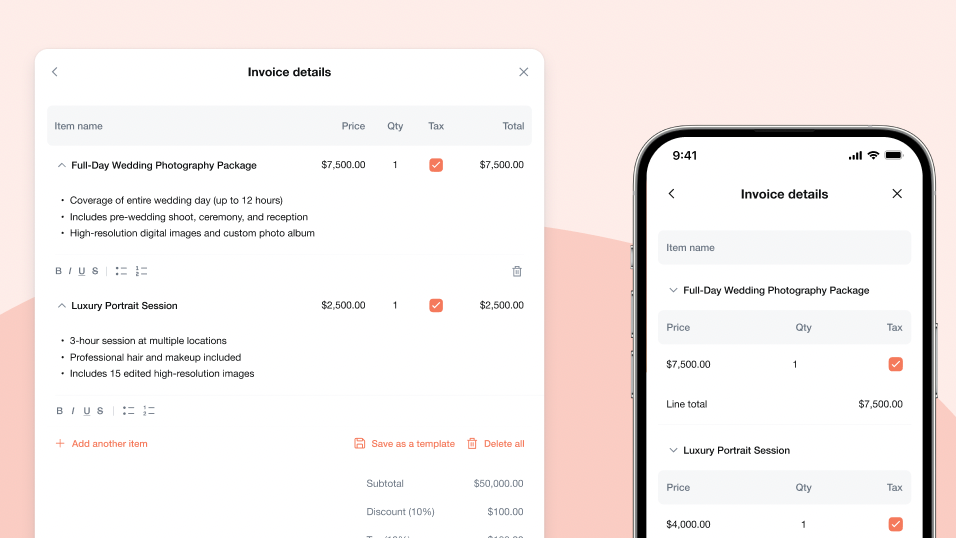
When you build proposals with itemized line items, every deliverable is visible: 8 hours coverage, second shooter, 500 edited images, engagement session. You can see exactly what each package costs you to deliver. No more guessing whether your premium tier is actually profitable.
If your full-time offer expands beyond one-time weddings into monthly brand sessions, venue retainers, or ongoing content packages, recurring invoices can remove another manual step. Maroo can create a new invoice for each cycle of an ongoing schedule. Keep deposits and milestone payments for a single wedding on one invoice’s payment schedule; use recurring invoices for work that repeats across billing periods. The Invoices Help collection is the best current setup reference.
Here's the step most photographers get backwards. They start posting on Instagram before they have a way to handle the inquiries that come from it.
One photographer told me she spent months building a following, started getting DMs asking about availability and pricing, and realized she had no contracts, no invoicing, no payment system. People were asking to book and she was sending Venmo requests. Another photographer had over 100 inquiries sitting in her email and was manually typing every single response. Her colleague, who had a CRM, was handling the same volume in a quarter of the time.
A Harvard Business Review study found that the average business takes 42 hours to respond to a lead. Meanwhile, leads are 21 times more likely to convert if you respond within five minutes. In the wedding industry, where couples hire an average of 14 vendors and are comparing multiple photographers simultaneously, speed matters.
Your social media presence matters. But it's step six, not step one. Before you post anything promotional, you should have: a portfolio website, a business entity with insurance, a pricing structure, legal contracts, and a CRM that captures leads and sends proposals. Get those in place first. Then start driving traffic to them.

Maroo's free tier gives you lead capture, invoicing, contracts, and payment processing from day one. When that first inquiry comes in, you send a branded proposal with your pricing, contract, and payment schedule in a single document. One click to approve. That's the difference between converting a lead and losing one.
A photographer who's been at this for years told me she recently overhauled her pricing structure with input from a colleague. Within weeks, her inquiry volume jumped and her booking rate climbed. She'd been undercharging in some areas and structuring packages that didn't reflect what clients actually wanted.
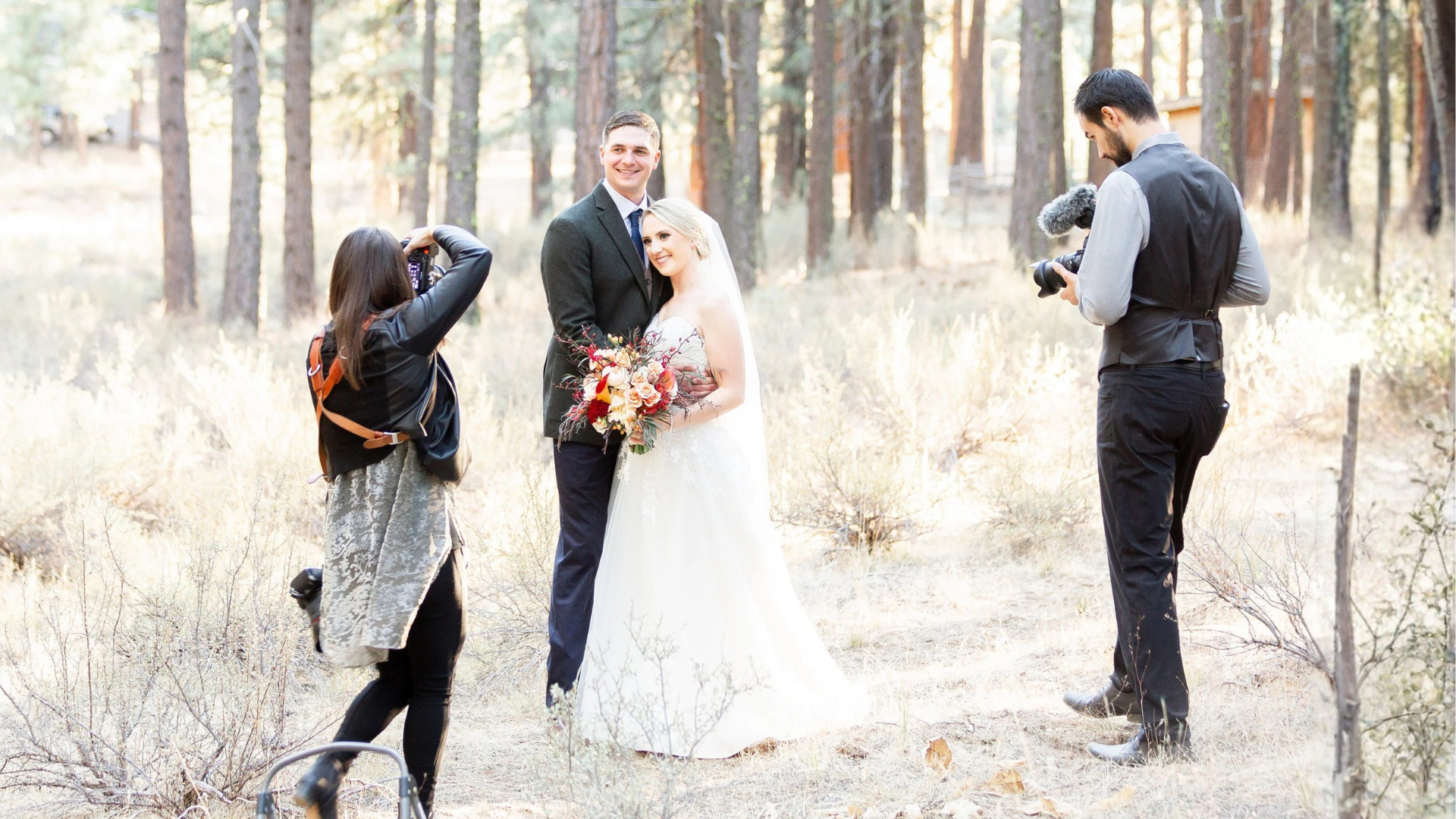
The wedding industry generated $66 billion in spending in 2025, with over 2 million weddings per year. It's a massive market and it shifts constantly. What worked two years ago in your local market might not work today. Couples' budgets change. Demand for specific styles changes. Your cost of doing business changes as gear ages and software prices go up.
The photographers who last are the ones who treat their business like a business. They review their numbers every year. They compare their pricing against their local market. They ask for help when something isn't working.
Going full-time as a wedding photographer isn't a leap of faith. It's math, systems, and preparation. Do the boring stuff first. Build the backend. Price correctly. Set up systems that can handle demand when it shows up. The creative work is the reward. But the business work is what keeps it alive.