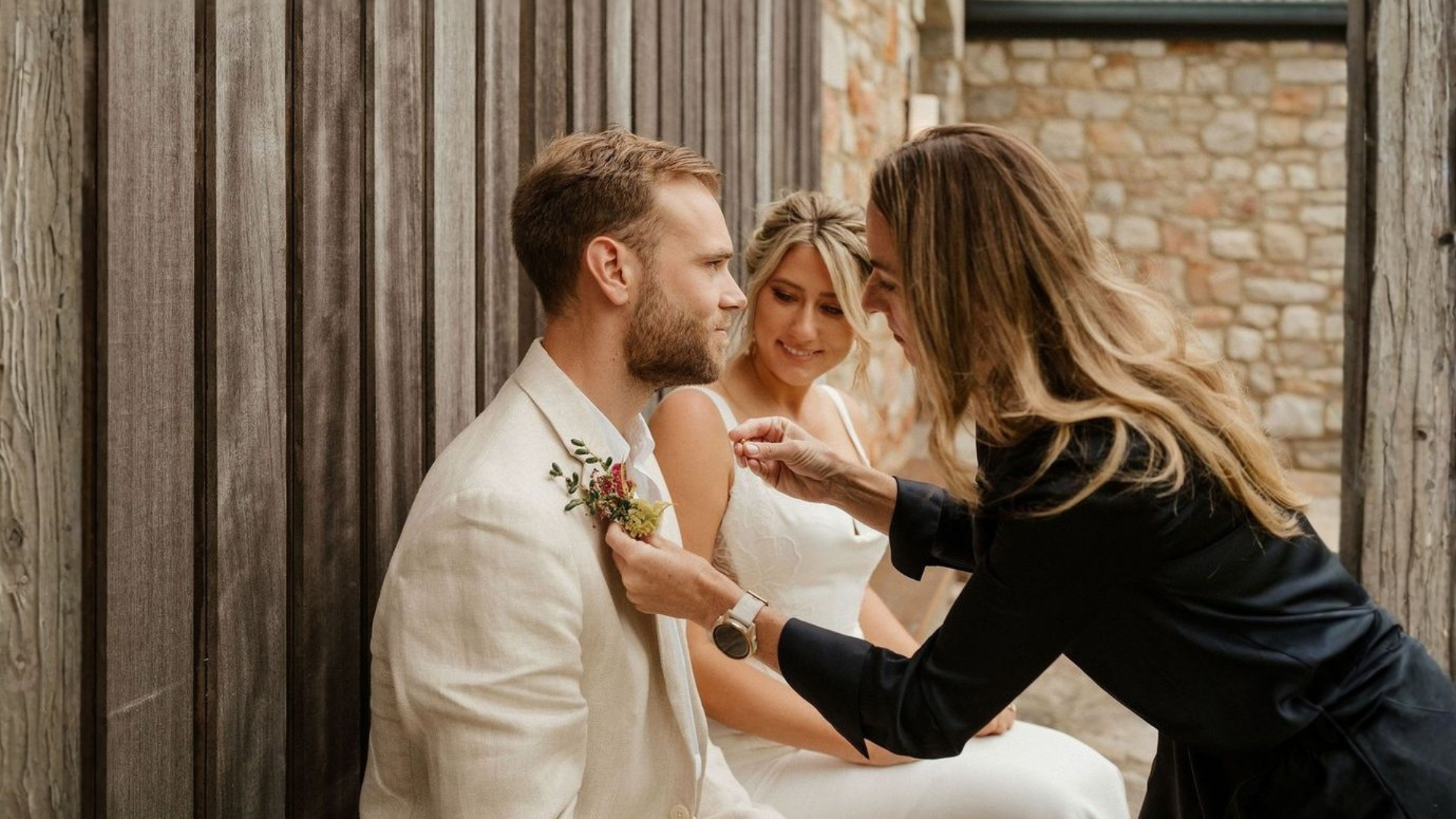
Her first day-of coordination gig paid $500. Half a day's work, or so she thought. In reality it was two weeks of prep calls, a 14-hour wedding day, and a follow-up week of tying loose ends. She did the math later. After expenses, she'd made about $11 an hour.
The next wedding, she charged $1,000. Then $1,200. She sat at $1,500 for a while -- long enough that it started to feel like her "real" rate. Eventually she raised to $2,000, then $2,500, then kept going as her skills and reputation grew. Every increase felt like a risk. None of them lost her a client she actually wanted.
That's the normal trajectory. You start low because you don't know what you're worth yet. You raise your prices as your experience teaches you what the work actually demands. The problem isn't planners who start at $500. It's planners who stay there on purpose.
In most wedding markets, planners at the same experience level end up within a general price range. Full-service planning in a given city might run $8,000 to $15,000 across established pros. Day-of coordination might sit between $2,500 and $5,000. There's variance based on style, services included, and reputation. But there's a floor.

When a newer planner enters that market charging $5,000 less than everyone at a similar level, it doesn't just affect her business. It reshapes what couples expect to pay. "Well, this other planner only charges $3,000 for full-service." That sentence ripples outward. The established planner now has to justify her rate against someone who isn't pricing based on the cost of doing business -- she's pricing based on fear of not getting booked.
Wedding costs have climbed roughly 40% over the past several years. Venues charge more. Caterers charge more. Florists charge more. Rentals charge more. If every vendor around you raised their prices and you didn't, you effectively gave yourself a pay cut. Your buying power shrank while your workload stayed the same -- or grew.
The math is straightforward. If you charged $3,000 for full-service coordination three years ago and you still charge $3,000 today, you're earning less in real dollars. Your gas costs more. Your software subscriptions cost more. Your subcontractors cost more. Holding your price isn't being "accessible." It's subsidizing your clients' weddings with your own unpaid labor.
Raising your prices isn't greedy. It's keeping pace with reality. The planners who review their pricing annually and adjust based on actual costs are the ones who stay in business for a decade. The ones who don't tend to burn out by year four, wondering why they're working harder than ever and taking home less.
Price is a signal. Couples who've never hired a wedding planner before use it as a shorthand for quality, experience, and professionalism. A planner charging $1,500 for full-service coordination doesn't look like a bargain to a savvy couple. She looks like someone who doesn't have enough experience to know the real scope of the job.
That's not always fair. But it's how buyers think. And the antidote isn't just raising your number -- it's showing what the number represents.
When a couple sees a proposal that says "$8,000 for wedding planning," they see a price tag. When they see a detailed proposal that breaks down 150 individual tasks across six months of planning, with clear milestones, deliverables, and communication schedules, they see the scope of what they're hiring. The price stops being a number to negotiate and starts being a reflection of the work.
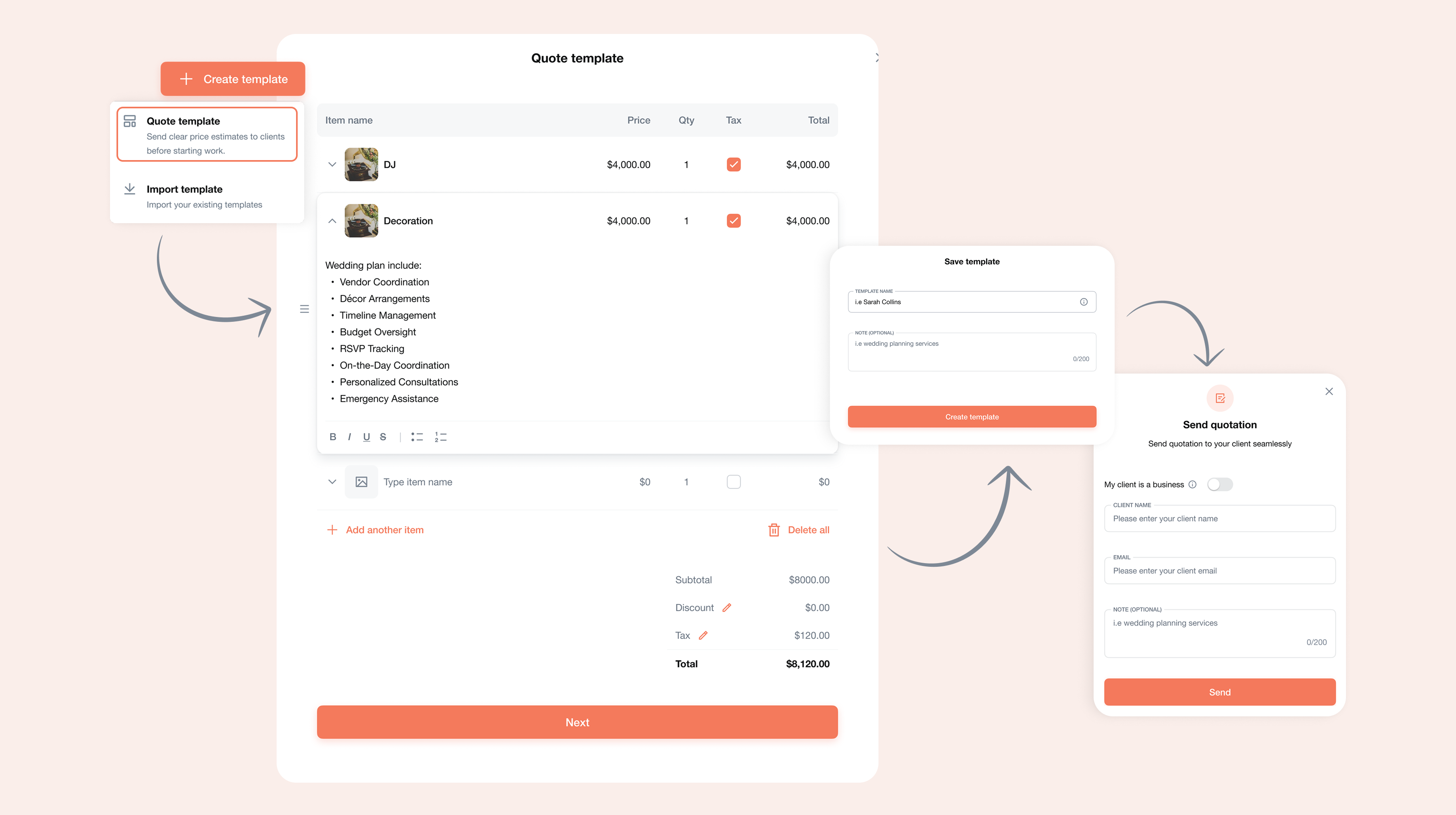
Maroo's quote and invoice templates help you build that kind of detailed, professional presentation. When every deliverable is laid out and the client signs off on it before planning begins, there's no ambiguity about what they're paying for. Professional presentation builds perceived value -- and it's a lot harder for someone to say "but this other planner charges less" when they can see exactly what "less" would mean in terms of missing services.
One of the most underrated things wedding pros can do for their business is talk to peers about pricing. Not to collude or fix rates -- but to understand the market. When you know what other planners at your level charge in your area, you can price with confidence instead of guessing.

The planners who isolate themselves are the ones most likely to underprice. They set rates based on what feels "reasonable" without any context for what reasonable actually means. They're afraid a higher number will scare people off. Meanwhile, their peers are charging twice as much and booking just fine.
Your pricing tells clients what you're worth. If you're not sure what that is, ask someone who does the same work. Check in with your market. Look at what established pros charge and understand why. Stop apologizing for what the work demands -- and stop assuming that cheaper means more bookings. It usually just means more work for less money.
Your rate should reflect your experience, your costs, and the reality of what planning a wedding actually requires. Review it every year. Raise it when the math says you should. Present it professionally so clients understand the value behind the number. And if you're a newer planner reading this, know that starting low is fine. Staying low is a choice that costs you and everyone around you.