Wedding traditions aren't disappearing—they're evolving. And the data backs this shift: 75% of engaged couples now prioritize intention and sustainability when planning their big day, stepping away from obligations and toward celebrations that actually feel right for them.
As we move into 2026, the pressure to follow an exhaustive checklist of "expected moments" is fading. Instead, couples are asking themselves "What do we actually want?" rather than "What are we supposed to do?" This simple reframing is transforming how couples approach everything, from ceremony details to reception flow to how they work with vendors.
Below are five wedding practices couples are increasingly rethinking and the thoughtful alternatives they're choosing instead.
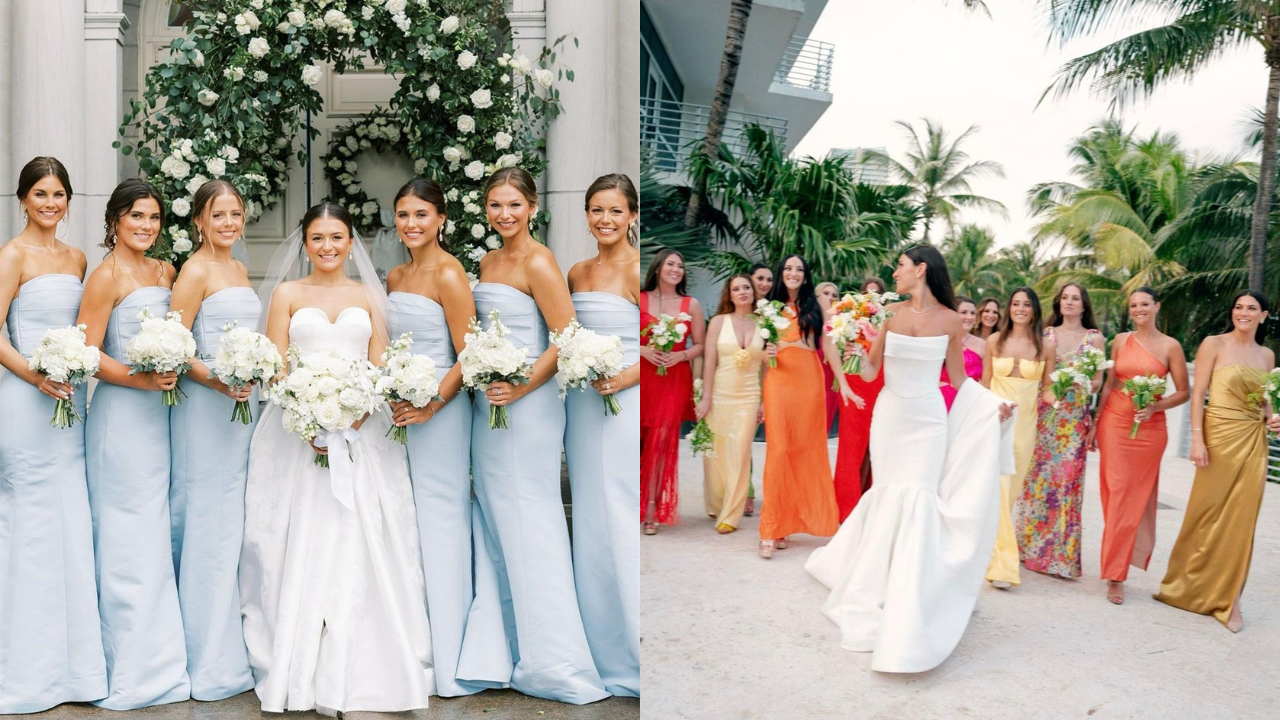
Perfectly identical bridal party outfits have long been a wedding staple. Same color, same fabric, same cut, often worn once and never again.
Why it's shifting: Modern couples recognize that forcing wedding party members into rigid, one-time looks creates real problems: financial burden on friends, uncomfortable fits, and waste. Couples are asking: "Is this actually adding value?"
What couples are choosing instead: Mix-and-match color palettes (same tone, different silhouettes), flexible guidelines (e.g., "burgundy, any style"), or pieces that can be reworn. The result feels more personal, comfortable, and less wasteful.
For planners: Ask "Who feels good in what?" instead of defaulting to tradition. Your wedding party—and your couples—will appreciate the thoughtfulness.
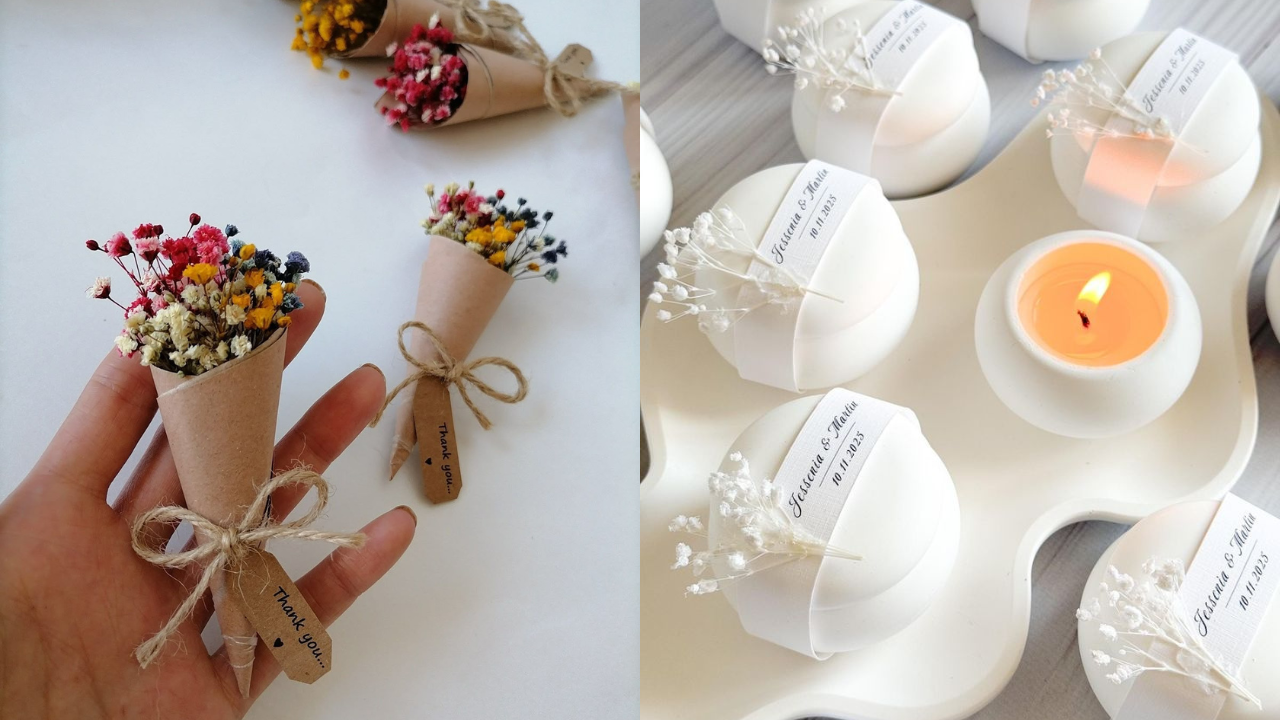
Wedding favors are well-intended, but many end up left behind or tossed. Couples are becoming more conscious of how these costs add up both financially and environmentally.
Why it's shifting: The average wedding generates approximately 400 pounds of waste, with single-use favors contributing significantly. A bag of branded items and mini toiletries sounds thoughtful but often misses the mark on what guests actually value.
What couples are choosing instead: One thoughtful, usable item with a handwritten note (local snacks, wine, a quality candle), a digital welcome guide via text or email, or no welcome bag at all.
For planners: Help couples identify what genuinely delights their guests. Often, the answer is simpler and more meaningful than they expected.
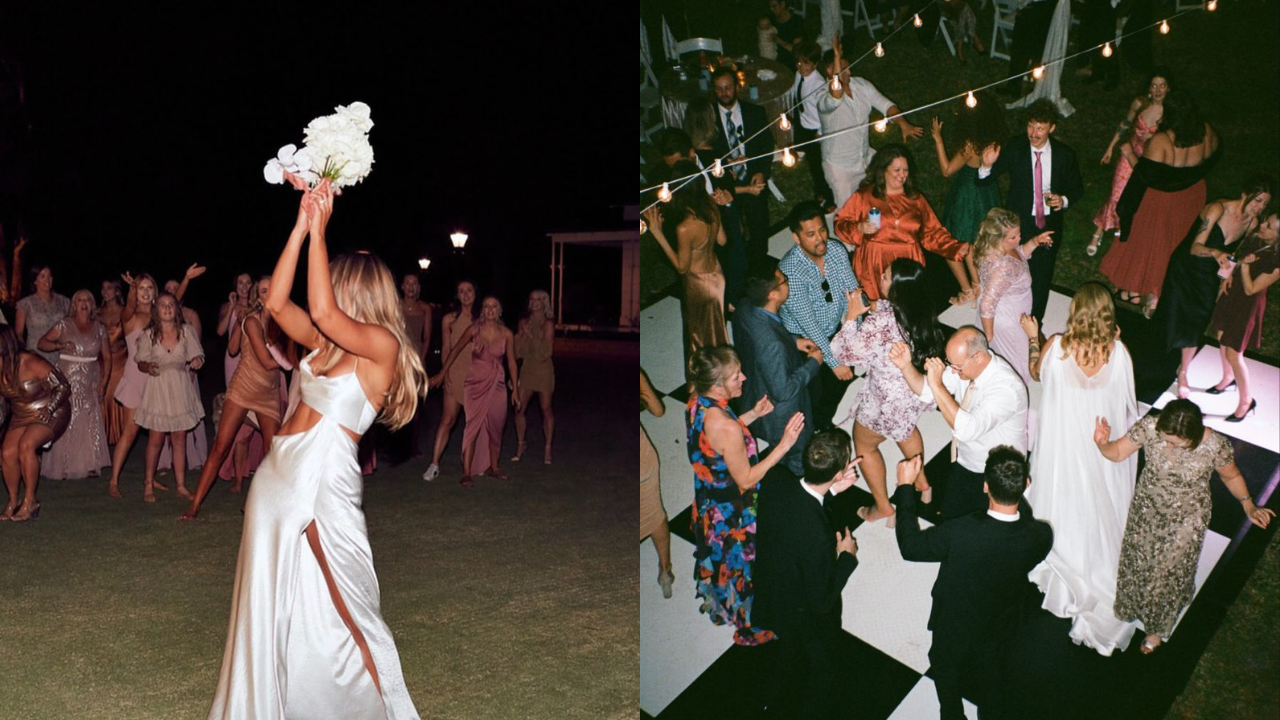
Once a reception highlight, the bouquet toss now feels awkward or disconnected for many guests especially as weddings become more inclusive.
Why it's shifting: Singling out single guests for a "you're next" moment can feel uncomfortable. As weddings evolve to reflect the actual couple, many realize this ritual doesn't align with their vibe.
What couples are choosing instead: A private moment after guests leave, an open dance floor without formal transitions, a meaningful gesture like dedicating the bouquet to someone special, or moving straight into celebrating.
For planners: Ask couples what moments actually matter instead of defaulting to tradition. Often, they need permission not to do something.
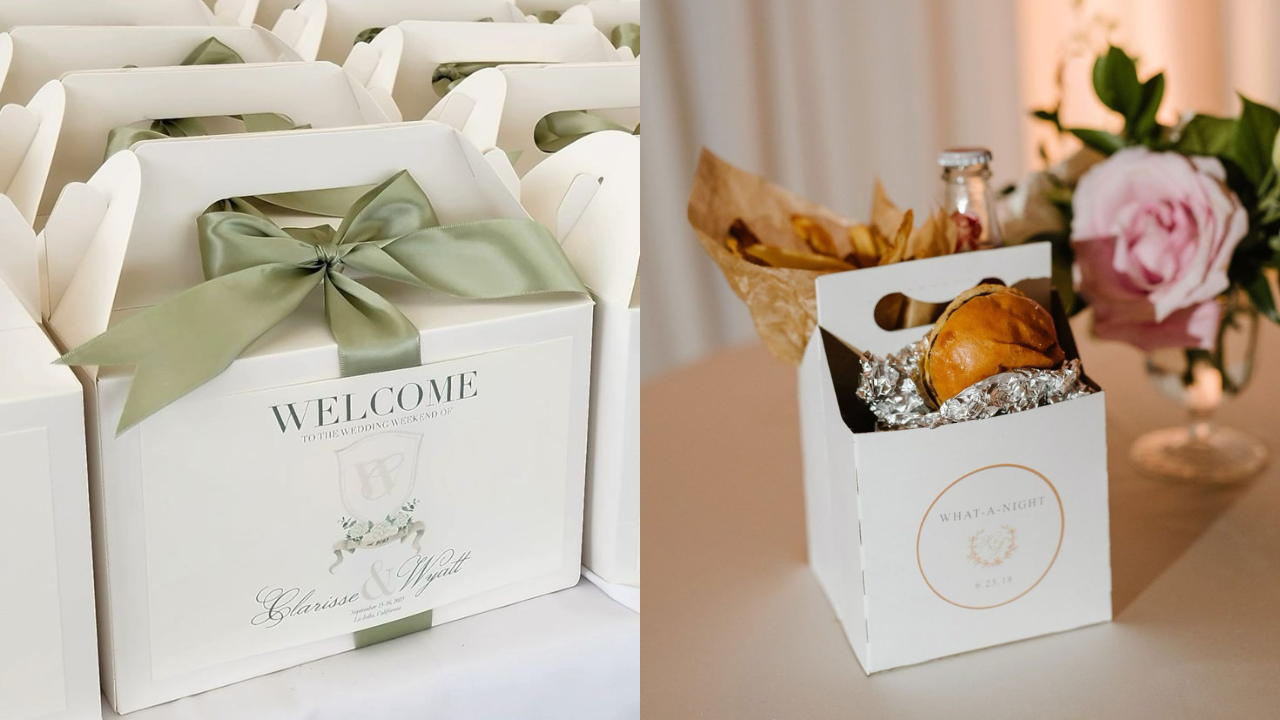
Welcome bags filled with branded items and mini toiletries sound luxurious in theory. But in practice, many guests don't want to pack them home.
Why it's shifting: Welcome bags create logistics nightmares, environmental concerns, and often miss what guests actually value. The welcome should come from the experience itself, not a bag.
What couples are choosing instead: Edible favors guests will enjoy, handwritten notes, charitable donations in guests' names, or skipping favors entirely and investing in the guest experience instead.
For planners: Suggest intentional gestures over standard bags. A note saying "We can't wait to celebrate with you" means more than branded items ever could.
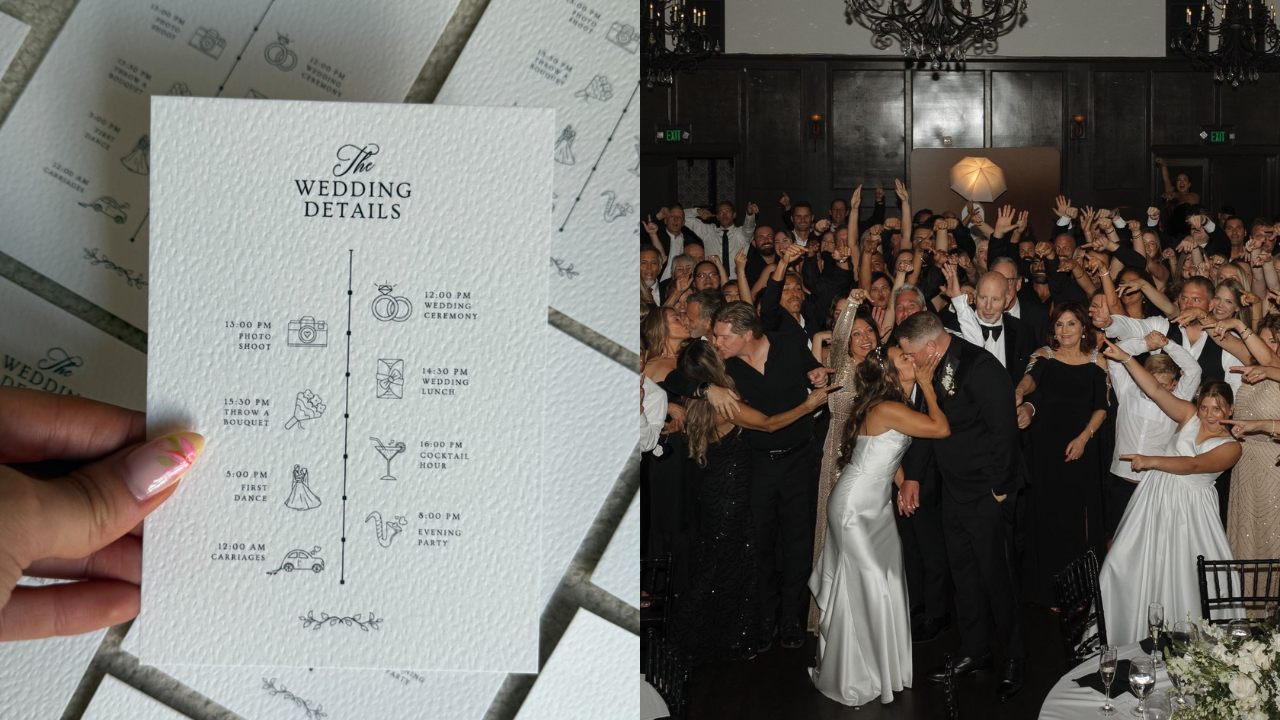
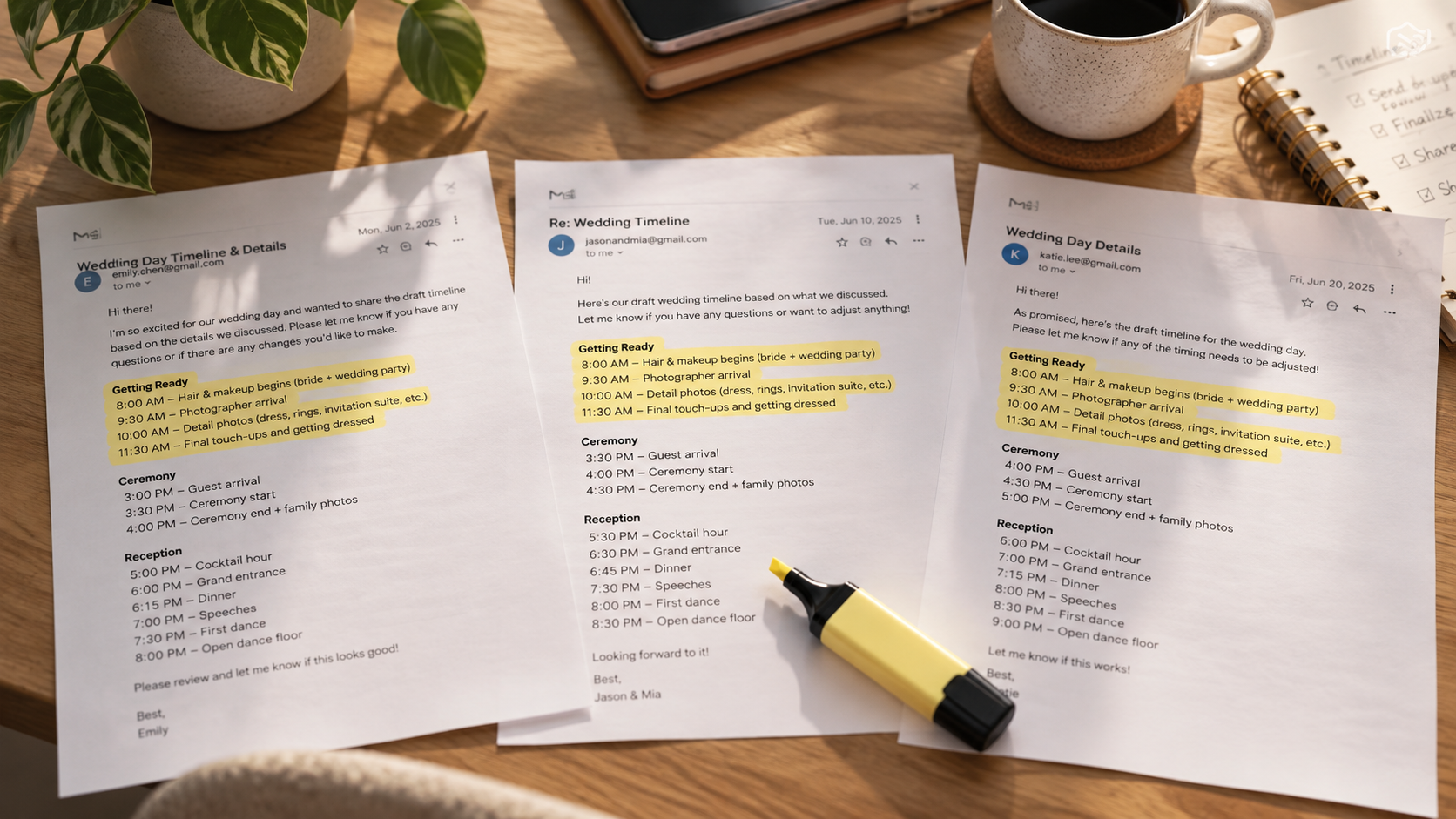
Rigid timelines where every moment is announced and scheduled, interrupt the natural energy of a celebration. When everything is choreographed (cocktail at 6:15, dinner at 6:30, toasts at 7:00), it can feel corporate rather than joyful.
Why it's shifting: Couples and guests realize the best moments happen organically, not according to a printed timeline. Modern couples want guests to be present and connected without constant interruptions.
What couples are choosing instead: Open dance floors without formal announcements, flexible flows that let the room's vibe guide the night, fewer formal transitions, and more organic celebrating while maintaining structure behind the scenes.
For planners: Create a detailed internal timeline your guests never see. You maintain control while they experience spontaneity. This is where modern planning tools become essential.
As couples move toward more intentional, experience-driven weddings, the role of planners is evolving too.
The old approach was about managing traditions, enforcing etiquette, following timelines, checking boxes. The new approach is about designing experiences and understanding what matters to this specific couple and creating authentic moments.
This shift changes planning workflows. Less rigidity means more flexibility. More customization means more communication upfront. Every detail needs intentional design.
When the admin side feels lighter and more streamlined, you can focus on what matters most: designing celebrations that reflect your couples' values. Platforms like Maroo support this by handling contracts, invoices, timelines, and payments in one place without adding complexity.
When you're not juggling spreadsheets and email chains, you have mental space to ask better questions: "What does this couple actually care about? What moments will they treasure?"
This is the future of wedding planning. It's not about tradition, it's about intentionality. The planners who understand this shift and have the right tools will be the ones couples want to work with.
The common thread across all of these changes is straightforward: intention.
Couples in 2026 aren't rejecting tradition—they're redefining it. The focus has shifted toward sustainability, guest comfort, authentic moments, and celebrations that feel true to who they are.
There's no single "right" way to plan a wedding. The best ones reflect what actually matters to the people involved.
If a tradition still feels right, keep it. If it doesn't, it's okay to let it go. Your role as a wedding professional is to give couples permission to make that choice intentionally rather than defaulting to what's always been done.
Do we have to skip every tradition?
Not at all. This is about intentionality, not rejection. If a tradition matters to your couple, keep it. The shift is simply asking "why" rather than assuming "because we're supposed to."
Will skipping certain traditions save us money?
Often, yes—especially with favors, welcome bags, and bridesmaid attire. The real savings come from eliminating elements that don't serve your celebration, then reinvesting in experiences that do.
As a planner, how do I guide couples toward these modern approaches?
Ask questions. Instead of defaulting to tradition, ask: "What moments matter most to you?" Your clients often just need permission and guidance to choose differently.
Is this trend the same everywhere?
While the shift toward intentionality is widespread, couples' specific choices vary by culture and region. Always listen to your couples—never assume a one-size-fits-all approach.
How does this affect vendor coordination?
You'll actually need more detailed planning, not less. A flexible guest experience requires tight internal coordination. Use detailed timelines and systems to manage complexity invisibly—so guests see spontaneity, not chaos.
The wedding industry is shifting from tradition-management to experience-design. Couples want celebrations that feel authentic and intentional, and they want to work with planners who get that—who ask good questions instead of defaulting to what's always been done.
Your role has evolved. You're no longer just executing a checklist; you're designing an experience that reflects who your couples actually are. That means more customization, more communication, more flexibility in timelines and workflows.
When your admin feels lighter or when you're not juggling invoices, payment reminders, and vendor coordination across multiple tools, you have mental space for the work that actually matters. That's where tools like Maroo help: handling contracts, payments, and invoices in one place so you can focus on your couples and their vision.
The planners who thrive in 2026 will be the ones who understand this shift and have the systems in place to support it. That's how you stay relevant, keep your couples happy, and build a planning practice that actually feels sustainable.