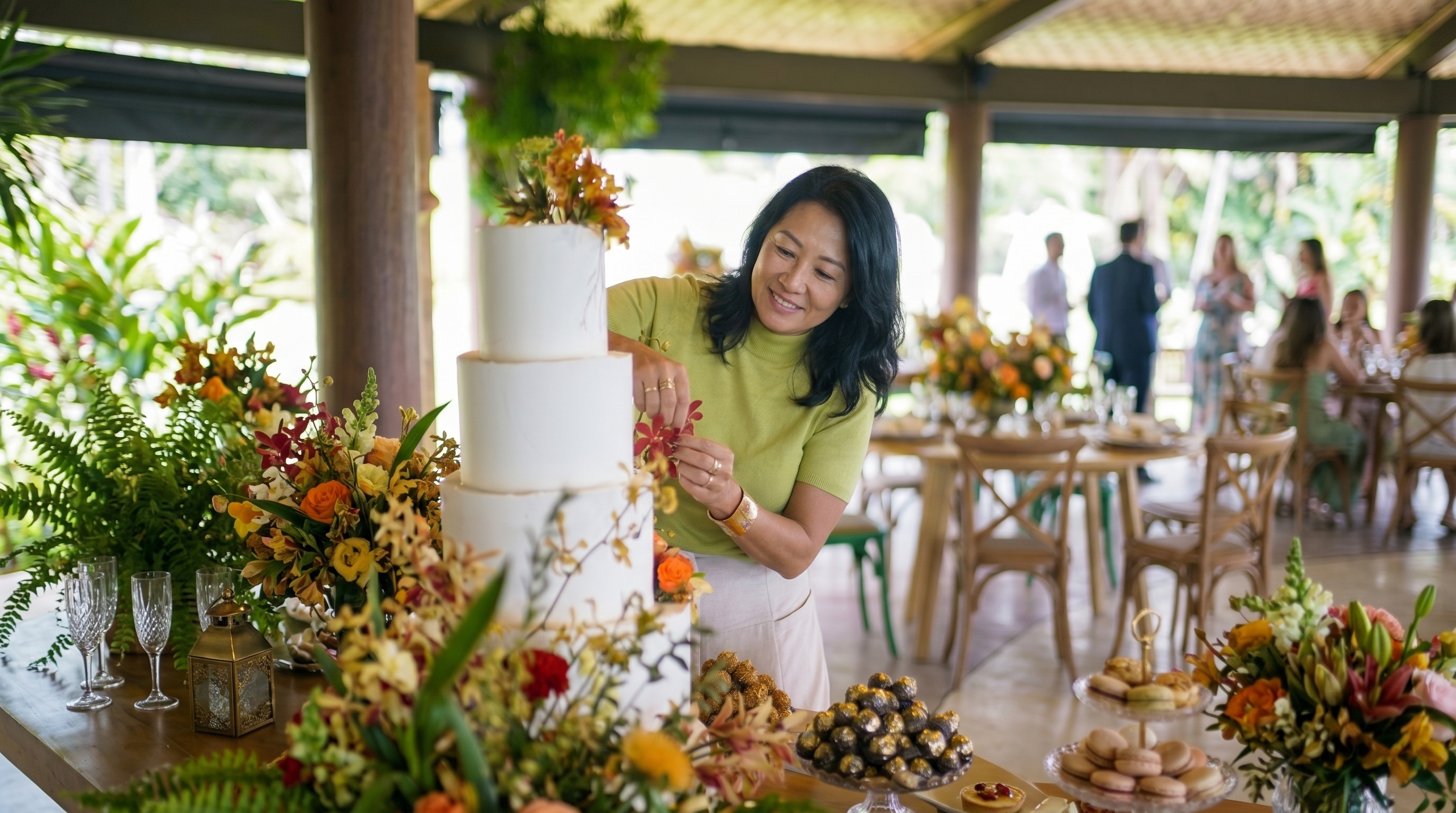
Do you love bringing groups of people together, have incredible attention to detail, patience, communication, and love a good party? Then we have a feeling why you’re already here–you want to be a wedding planner.
In 2026, the wedding services market continues to grow at approximately 6% annually, with the U.S. market valued at $64.93 billion, creating abundant opportunities for new planners. Many wedding planners think their jobs are the perfect blend of creativity, organization, and attention to detail. There are 4 important steps to take in order to become a wedding planner, but with careful planning and preparation, you can make your dream (and many couples' dreams) a reality.
1. Decide on the type of wedding planning business you want
As with any business, the first thing you need to know is what your ultimate vision for your company is. Do you want to be the go-to wedding planner for your city? Or do you want to focus on destination events across the country or even world? Consider whether you'll offer virtual planning services, as remote consultations have become standard practice in 2026, allowing you to work with couples anywhere in the country. This is entirely up to you and your lifestyle!
There are generally 4 particular types of wedding planning businesses you'll need to choose between.
- Full planning: When you choose to offer full wedding planning, you are essentially becoming a one-stop-shop for couples getting married. A full-service wedding planner joins the couple at the beginning of their planning journey and oversees every decision related to their wedding until the couple is officially married. This includes venue and vendor recommendation, negotiation and communication, transportation oversight, handling hotel blocks, overseeing design elements (sometimes designing themselves!), creating the timeline for the wedding weekend, and overseeing everything happening on the wedding day itself. This type of service usually requires an initial consultation or phone call to make sure it’s the right fit before signing a contract.
- The month of wedding planner: If you want to be involved in the planning process but don't want to take on all of the responsibilities, becoming a month-of coordinator could be the perfect middle ground. This type of planner will come in about 4-6 weeks before the wedding and wrap up loose ends with vendors, create the timeline, and handle anything else that needs to be done in the last few weeks. On the day of, the coordinator is on-site making sure the event runs smoothly!
- Day-of: A day-of wedding planner is exactly what it sounds like—someone who comes in on the wedding day to take the responsibilities to make sure everything runs smoothly. This does not include any of the initial planning stages, such as booking vendors or finalizing the details; that's all up to the couple. As a day-of planner, you would step in that week to get familiarized with all the moving parts and vendors. On the wedding day, the day of the planner will be responsible for carrying out the plan that the couple created!
- Venue Coordinator or Manager: Another option for those looking to be wedding planners is joining a venue as their in-house event coordinator or manager. Here, you’ll meet the couple at the very beginning of their journey as they are selecting their venue. You will be involved on the wedding day itself, but making sure it runs smoothly from a venue aspect!
- Virtual or Hybrid Wedding Planner: A growing service model in 2026, virtual wedding planning allows you to offer flexible, affordable packages to couples who prefer DIY planning with expert guidance. You conduct consultations via video call, use digital planning tools, and provide ongoing support through email and messaging platforms—all without geographic limitations. This model works especially well for budget-conscious couples and can be offered as monthly subscription services.
2. Take care of the legal and financial side of things
- Register your Business.
After you decide on the name of your company, you’ll need to register your business to make it a distinct legal entity. We recommend working with an accountant or lawyer in your city to help you decide which type of business (a sole proprietor, LLC, corporation, S-corp, or a partnership) is the right fit. Each of these has its own pros and cons and you’ll need to register this business with federal, state, and local agencies. Here is when you’ll also receive your EIN (employer identification number), which you’ll need for step 2!
- Open a Business Bank Account.
It’s important to open a business bank account where you can keep your business bank account separate from your personal account, even if you don’t have employees. Why? Attorney Magi Fisher told us, “Mixing your expenses is not only a bookkeeping nightmare, but it also puts you at risk of losing the liability protection of your LLC.”
- Insurance.
There are 2 types of insurance you may need as a wedding planner. General liability and professional liability.
If you’ll have employees, you’ll also need to look into workers' compensation insurance. We recommend working with an expert to help you find the right insurance for your business needs!
• General liability helps protect a wedding planner from third-party claims of bodily injury or property damage that could possibly arise from venues, vendors, guests, and/or contractors.
• Professional liability insurance helps protect wedding planners from claims of negligence or mistakes related to services. This is especially important as client expectations continue to rise in 2026.
If you’ll have employees, you’ll also need to look into workers' compensation insurance. We recommend working with an expert to help you find the right insurance for your business needs!
- Contracts.
As a wedding planner, it’s important to have iron-clad contracts that clearly define responsibilities, expectations, and scope of work. This is true for clients and freelancers. You can work with an attorney to customize your contracts or you can look into ready-made contract templates to help get you started. 2 businesses we recommend that know the wedding industry are Legally Set and The Artists’ Lawyer. Many planners are also using AI-powered contract generation tools that can create customized, legally sound agreements in minutes—though it's still wise to have an attorney review your templates.
- Financial & Planning Tools.
Now it’s important to set up processes for the financial side of the business. We recommend setting up a free Maroo account, where you can easily request and keep track of inbound payments from couples and outbound payments to other businesses and contractors. You may also want to set up a Quickbooks online account to keep track of the tax side of things and set up auto-estimates to pay to federal and state governments.
For managing client communications, timelines, and vendor coordination, wedding planners increasingly rely on all-in-one platforms like That's The One that consolidate guest lists, budgets, floor plans, and contracts under their own brand. These comprehensive planning tools can reduce planning time by up to 35% by creating one source of truth for couples, planners, vendors, and guests.
Now it's important to set up processes for the financial side of the business and streamline your workflow. We recommend setting up a free Maroo account, where you can easily request and keep track of inbound payments from couples and outbound payments to other businesses and contractors. You may also want to set up a QuickBooks online account to keep track of the tax side of things and set up auto-estimates to pay to federal and state governments.
- Embrace AI and Automation Tools.
Successful wedding planners are leveraging technology to work smarter, not harder. Consider integrating AI-powered tools that can help with:
-Automated email responses and client inquiry management
-Smart scheduling and calendar syncing
-Budget tracking with real-time updates
-Workflow automation for repetitive tasks (like sending vendor confirmations or timeline reminders)
-AI chatbots for answering common client questions 24/7
These tools don't replace the personal touch that makes you valuable, they free up your time so you can focus on creative vision, relationship building, and the high-touch service that sets you apart.
3. Build a unique brand and website
Now that you're legally set up and you know what you're aiming for, it's time to build a brand that stands out. There are a few key things you'll need to consider when creating your brand, but the number one most important thing to consider is your audience! Who are you catering to? What kind of couples would you most enjoy working with? Is it couples looking to splash out on a top-of-the-line event? Or couples looking for a down-to-earth celebration? Or maybe you want to specialize in destination weddings, micro weddings (intimate celebrations of 50 or fewer guests that prioritize quality over quantity), eco-conscious sustainable weddings, or Gen Z couples who value authenticity and personalization over traditional cookie-cutter affairs.
The options are endless, but you need to know who you're working with in order to build a brand that appeals to the right couple.
Understanding 2026 Couples. Today's couples (especially Gen Z, who are now entering peak marrying age) prioritize experiences over extravagance, authenticity over perfection, and values alignment with their vendors. They want planners who understand sustainability, respect for diverse identities and traditions, mental health awareness, and the importance of creating meaningful, Instagram-worthy moments without feeling staged. They're more likely to opt out of traditions that don't resonate with them and remix the ones that do.
Here are some brand elements to consider:
- Your business name: This is one of the first things people will associate with your brand, so choose wisely!
- Your voice: You need to define the voice you use on your website, social media platforms, email marketing. Something fun and relatable? Or professional and respectful?
- Your logo: A great logo is a key to building a strong brand identity.
- Your color palette: Your website, business cards, and other marketing materials should all use a consistent color palette. This will help people to easily recognize your brand when they see it.
- Your values: Make your stance on sustainability, inclusivity, and ethical business practices clear. Modern couples actively seek vendors whose values align with theirs.
Now use your brand to create a killer website. In today's world, your website is often the first point of contact between you and potential clients. It's essential that your site makes a great first impression and it's easy to navigate. Your website should be mobile-friendly and should contain all the relevant information about your business, including your contact information, pricing (or at least starting package rates), and a portfolio of your work. Consider adding video content, client testimonials, and an FAQ section to address common questions immediately. Many couples now expect to book initial consultations directly through your website.
If you're struggling with designing your brand and website, it may be a good idea to enlist the help of a designer and web developer. There are many freelancers who specialize in branding and website development and can help you create a cohesive look for your business.
4. Market, build relationships, and network
This is all about giving your brand momentum to attract clients and grow. Some ideas to get started include:
- Kick-off your social media platforms. Popular social media platforms in the wedding industry include Instagram, Pinterest, TikTok, and Facebook. Instagram remains the cornerstone for visual storytelling with its emphasis on reels and carousel posts, while TikTok offers dynamic short-form video content with exceptionally high engagement rates (averaging 4.6%), making it essential for reaching Gen Z couples. Using these platforms is a great way to showcase your work and connect with potential clients and build up your brand awareness. Share behind-the-scenes content, planning tips, real wedding highlights, and trend insights. Wedding content creators and "real engaged" influencer partnerships are also becoming popular ways to expand your reach in 2026. And remember—sometimes marketing to customers is more about building relationships and creating trust than selling your services. Offer helpful tips, ideas, and testimonials, and people will begin to view you as a trusted resource, naturally gravitating toward you when it comes time to enlist official wedding planning help.
- Focus on your customer service! Remember that wedding planning is a service and that great customer service and customer relations should be at the heart of your business. In 2026, couples expect prompt responses (ideally within 24 hours), transparent communication, and vendors who truly listen to their vision rather than imposing a one-size-fits-all approach. If a potential client reaches out to you with a question, be sure to respond promptly and courteously. If a couple has their heart set on a particular venue, come with great alternatives that hit other marks like budget anyway—this shows that you care about their vision and you're dedicated to putting in extra effort to make it a reality. Go above and beyond to make sure your clients are happy, and they'll be sure to recommend you to their friends. Wedding planning is such a personal process; word-of-mouth referrals are everything.
- Network, network, network! Get involved with local wedding industry groups and meet-ups. Attend bridal shows, connect with vendors (to get on their preferred vendor lists), and give your business card away shamelessly! Collaborate with other vendors on styled shoots and connect with bridal salons in your area. This will help you build relationships with other professionals in the industry, and to be honest, the wedding business is all about who you know. Consider joining online communities and Facebook groups for wedding professionals, and don't underestimate the power of vendor recommendations—they're one of the top ways couples find planners in 2026.
- Stay current with trends. Understanding what couples want in 2026 is crucial. Key trends shaping the industry include: Micro weddings and intimate celebrations focused on meaningful connections over large guest counts
Weekday weddings offering significant cost savings (venues often charge 20-40% less)
Sustainable and eco-conscious celebrations with digital invitations, locally sourced catering, potted plants instead of cut flowers, reusable décor, and waste reduction practices
Multi-day wedding experiences that prioritize guest experience and create a weekend celebration rather than a single-day event
AI-powered planning tools that streamline logistics and communication
Experiential elements like interactive food stations, unique reception activities, creative entertainment, and personalized guest experiences
Meaningful venues that reflect the couple's story (favorite restaurants, art galleries, unconventional spaces) over traditional ballrooms
Authenticity over perfection—Gen Z couples embrace imperfect, candid moments and are opting out of traditions that don't resonate - Understand budget realities. The average wedding cost in 2026 ranges from $30,000 to $51,000 depending on location and guest count (typically 100-175 guests), though this varies significantly. Couples are becoming more budget-conscious due to inflation and rising costs, so offering flexible, tiered packages at different price points will make your services accessible to more clients.
If you're not sure you have enough experience to start a wedding planning business yet, start here
If you're worried that you don't know the ins and outs of the industry enough yet, don't sweat it! Some people begin a planning business after working for another wedding planner or venue for a period of time. Rest assured, it's perfectly okay to obtain some education or hands-on industry experience, before starting your own company. Some ideas are listed below.
- Work as a coordinator or assistant for an established wedding planner. This will give you a behind-the-scenes look at how a successful business is run, and allows you to try various aspects of the job. Maybe you find out that, while you thought you wanted to be a full-service planner, you actually thrive on the energy of the day itself and would rather be a day-of planner instead! You'll also learn how experienced planners use technology, manage client expectations, and handle the inevitable curveballs that come with live events.
- Look into contract or freelance opportunities at venues, catering companies, bridal salons, floral designers, or even with a photographer or videographer! These positions will not only introduce you to different aspects of weddings, but they'll also give you a head start on developing relationships with other vendors. Remember, as a wedding planner, you'll need to rely on the expertise of florists, caterers, venues, photographers, and more—so it's good to start building those relationships early! Many venues are also actively seeking coordinators in 2026 as demand for hybrid services and multi-day events increases.
- Get some wedding industry-specific education. There are numerous options available in the planning education arena. You can find online courses, as well as some universities that offer certificates or degrees in event planning. For example, The Association of Bridal Consultants (ABC) offers a certification program that covers all aspects of wedding planning, from business and marketing to etiquette and legal issues. The program also includes an internship component, so you can get some real-world experience. So not only will these courses give you a thorough understanding of the ins and outs of weddings, but they'll also provide you with a network of other people interested in the wedding industry. Other reputable programs include courses from IAP Career College, Texas State University, Lehman College, and the New York Institute of Art & Design—many of which are now offered entirely online.
- Read up on wedding planning! There are many books available on the subject of wedding planning—so if you're more of a self-starter, this might be the route for you. A quick search on Amazon will reveal numerous titles, ranging from general guides to wedding planning to more specific ones that focus on certain aspects of the job, like marketing or working with clients. In 2026, also consider following industry blogs, podcasts, and YouTube channels from established wedding planners who share real-world insights and evolving trends.
Final Thoughts
The wedding services market is projected to grow at 6% annually through 2030, with the U.S. market valued at $64.93 billion in 2024. So if you're passionate about weddings and think you might want to start a wedding planning business, go for it! There's no time like the present to start learning, networking, and gathering experience.
With couples increasingly valuing personalized service, authentic connections, and planners who understand modern values like sustainability and inclusivity, there's tremendous opportunity for new planners who can blend traditional expertise with contemporary approaches and technology.
The challenges are real (rising costs, higher client expectations, and increased competition from non-traditional venues) but so are the rewards. Wedding planning in 2026 means being tech-savvy, values-driven, adaptable, and genuinely invested in creating celebrations that reflect who your couples truly are. By following these steps and doing your research, you'll be on your way to starting a successful wedding planning business in no time!