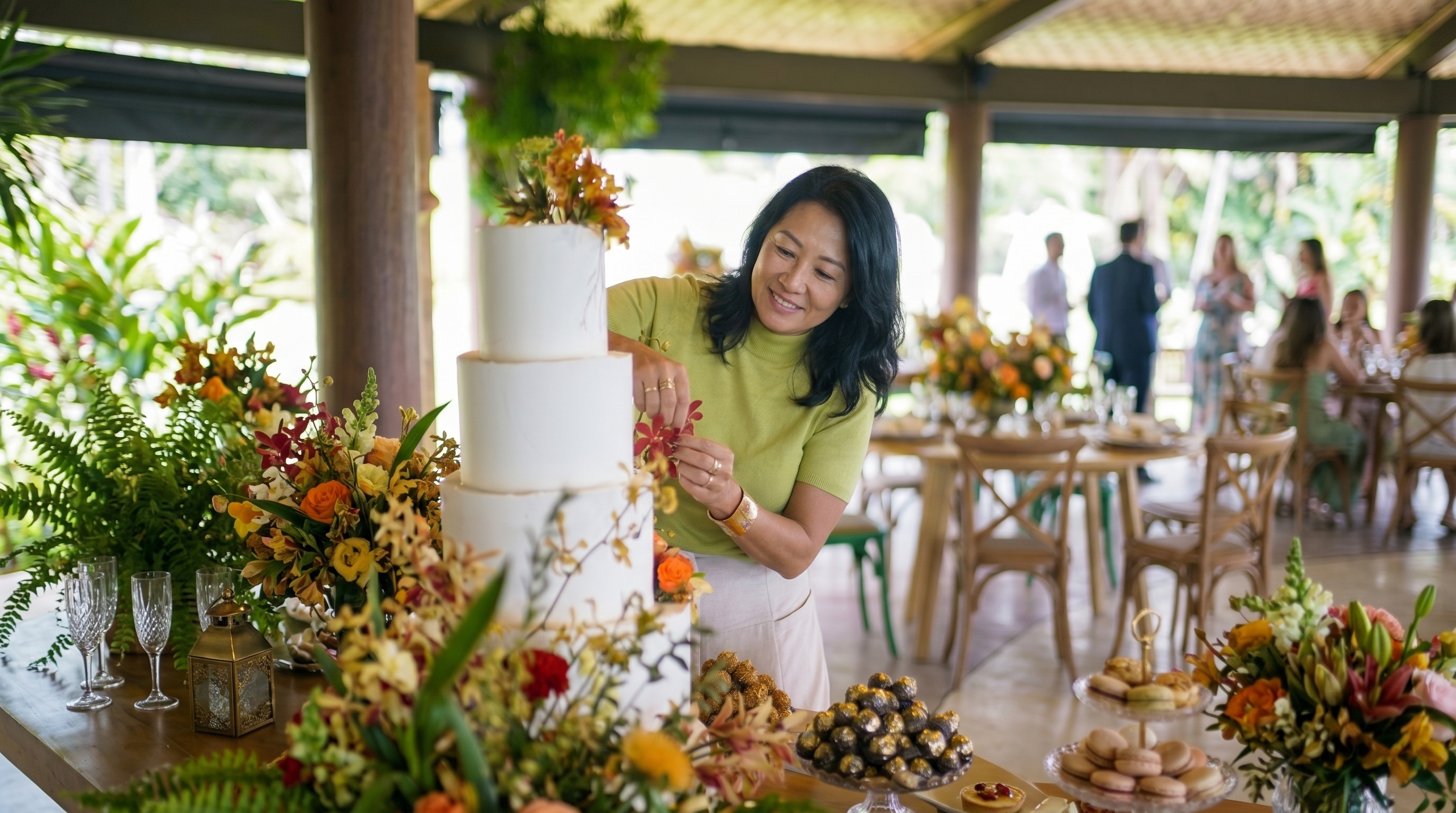
You found a venue that stops you mid-scroll. A waterfall cascading behind an altar. Mountains framing a sunset ceremony. A garden so perfect it looks staged. You send the link to your partner. "This is the one."
Maybe it is. But a single stunning photo has launched more venue regrets than any other decision in wedding planning. What you see in that image -- the light, the landscape, the sense of possibility -- is real. What you don't see is everything that determines whether your actual wedding day matches the fantasy.
This checklist exists because roughly two-thirds of weddings now take place at outdoor venues -- gardens, barns, hilltops, lakefronts -- and the gap between what those spaces look like on Instagram and what they deliver on a Saturday in June is wider than most couples realize. With average venue spend hitting $12,000 (about 40% of a total wedding budget), this is the biggest financial decision you'll make for your wedding. It deserves more than a vibe check.
A seasoned photographer once told a story that stuck. They got married at a particular venue themselves. Full access to the grounds. Gorgeous gardens, multiple backdrops, every corner available for portraits. It was everything they'd hoped for.
Eight years later, that same photographer returned to the venue -- this time as a hired vendor shooting someone else's wedding. The venue handed them a 25-foot square of grass. That was it. The gardens they'd roamed freely on their own wedding day? Off-limits. The couple had no idea their photographer would be restricted to a tiny patch of lawn.
This happens more than you'd think. Venues change policies. They add events. They restrict vendor access to areas that look incredible in marketing photos but aren't available on busy weekends. When you're spending this kind of money, you deserve to know exactly what you're getting.
The fix isn't complicated, but it requires asking uncomfortable questions during the booking process. Where exactly can your photographer shoot? Are there any restricted areas on weekends? Does vendor access differ from couple access? If you're working with a planner, this is exactly the kind of detail they should be clarifying on your behalf.
For vendors, the move is documenting these details in your proposal. Outline what photo coverage includes and note any venue-specific limitations you've encountered. Couples appreciate the transparency, and it protects everyone when expectations are clear from the start.
When you're managing dozens of weddings a year, keeping track of which venues have restrictions and which give full access becomes its own project. Document it once, reference it forever.
One photographer started keeping count. Out of their last 19 Saturday weddings, 15 had rain. Not drizzle-that-clears-up rain. Real rain. Move-everything-inside rain.
Gorgeous outdoor ceremonies relocated to cramped lobbies. Cocktail hours crammed into hallways so dark the photographer could barely get a usable exposure. The venue sold the garden. The weather sold the hallway.
Here's the thing about outdoor venues: they dominate the market because they photograph beautifully. But weather is the variable nobody budgets for, and it's a big reason why 69% of couples exceed their original budget. Rain plans often mean last-minute tent rentals, relocated timelines, and backup spaces that feel like an afterthought -- because they usually are.
The backup plan is the plan. If you tour a venue and only look at the outdoor space, you've seen half the venue. Ask to see the indoor alternative. Stand in it. Imagine 150 people in it. If the backup space makes you wince, keep looking.
For vendors, this is where weather contingency clauses earn their place in your contracts. Spell out what happens when the ceremony moves indoors. Does your coverage change? Does the timeline shift? Does pricing adjust if setup doubles? A clear contract answers all of this before the first raindrop falls.
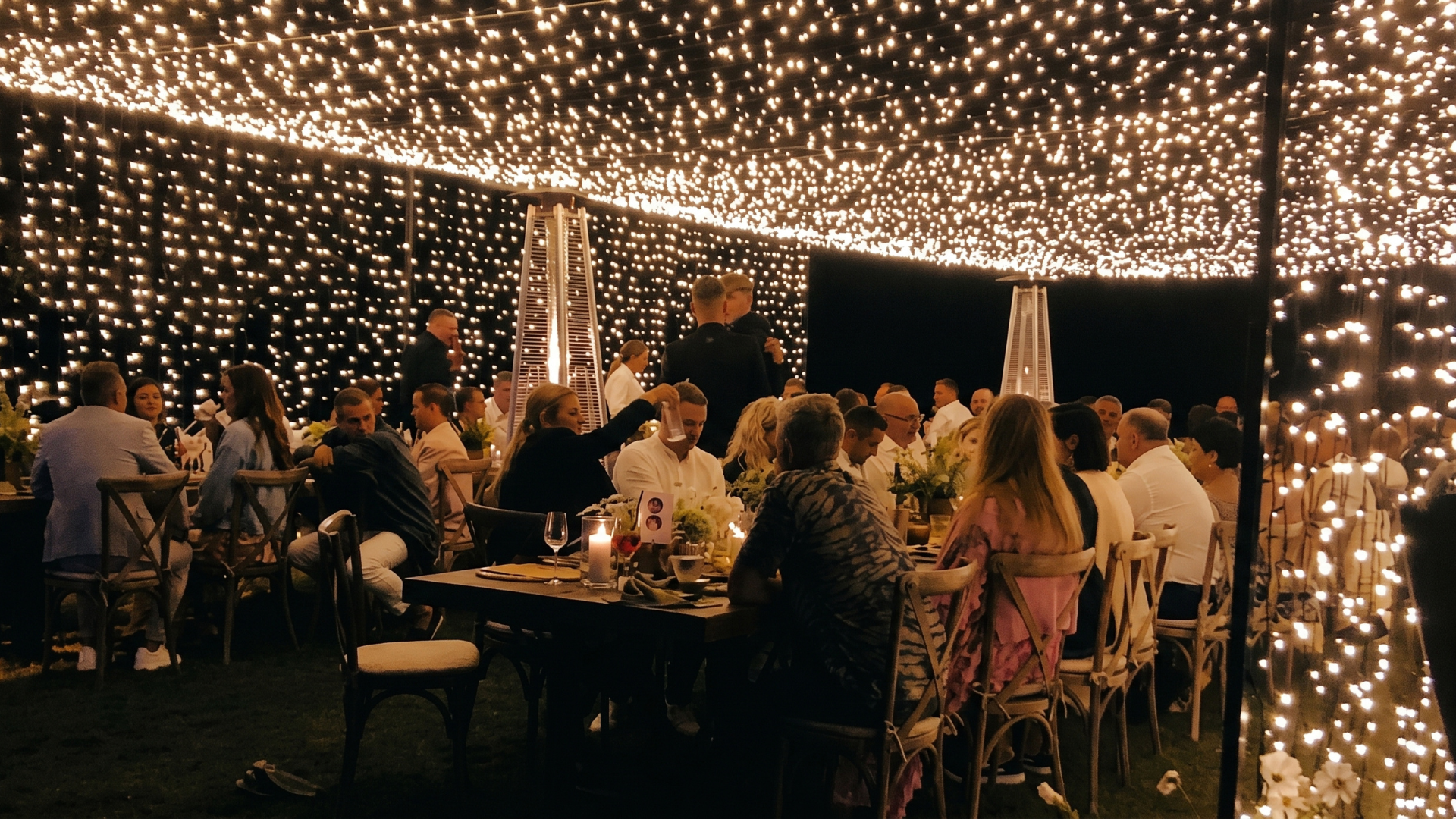
A couple wanted two things for their reception: square tables and hanging string lights. Simple enough. The venue said no to both -- after they'd already signed and paid a deposit.
Another couple envisioned ceiling drapery flowing across the reception hall. Not possible. The ceiling couldn't support it. A third couple wanted a specific caterer. Venue required their in-house kitchen. A fourth wanted to bring their own bar. Venue wouldn't allow outside alcohol.
Some venues are remarkably flexible. They'll let you transform the space however you want. Others have rigid rules about every detail, from table shapes to lighting to which vendors you can hire. The problem is you won't know which kind you're dealing with until you ask very specific questions -- and by the time most couples think to ask, they've already committed.
75% of couples encounter unexpected fees, and hidden costs add an average of $3,314 to the final bill -- roughly 9% of the total budget. Many of those surprises trace back to venue restrictions couples didn't know about: mandatory vendor lists, decoration limitations, overtime charges, corkage fees.
The solution is straightforward. Before signing anything, get a complete list of what you can and can't do at the venue. Every restriction. Every required vendor. Every additional fee. Then put the venue's commitments in writing. A detailed scope document that captures what the venue has agreed to isn't paranoia. It's planning.
Pay special attention to preferred vendor lists. Some venues require you to choose from an approved list of caterers, florists, or DJs. That's not always a bad thing -- vetted vendors who know the space can be an advantage. But if the required vendor's pricing doesn't match your budget, or their style doesn't match your vision, you need to know that before you've locked in the venue.
A photographer arrived at a venue for a Saturday wedding and discovered three events running simultaneously. Three brides. Three wedding parties. One property.
Their couple had booked the venue specifically for the grounds -- the rolling lawn, the garden, the treeline. But when they arrived, another bride's party occupied the exact space they'd been promised for portraits. The photographer was restricted to a small patch of grass while the grounds they'd scouted were off-limits.
At high-volume venues -- the ones photographers privately call "wedding factories" -- brides aren't allowed to cross paths. That sounds like a logistical courtesy, but in practice it means your beautiful garden photos might be impossible when it's your turn. Your ceremony site might still be getting flipped from the previous event. Your cocktail hour might get compressed because the next wedding's guests are already arriving.
Couples now book venues 9 to 12 months in advance, down from the 18-month lead times of a few years ago. That compressed timeline means less room for careful vetting and more reliance on photos and reviews. But reviews don't mention that your Saturday slot is one of three.
Ask directly: how many events will happen on your date? Will you have exclusive access to the grounds? For how long? Get the answers in your contract -- not just in a verbal promise during the tour. Verbal promises evaporate when there's money on the table.
A couple booked a non-wedding venue for their ceremony and reception. A theater, an event space -- somewhere that hosts weddings but isn't built around them. They mailed invitations. They hired vendors. They told 200 people to save the date.
Two months before the wedding, the venue called. Another event took priority. Full refund offered. No real apology.
The couple -- described by their photographer as the nicest people they'd ever worked with -- scrambled. They found a new venue willing to host them on a different weekend at a discount. But the invitations were already in people's hands with the original date printed on them. The stress of rebooking every vendor, re-notifying every guest, and rebuilding a timeline from scratch was enormous.
This doesn't happen often. But it happens. And when the average venue costs $12,000 and the national average wedding runs about $36,000, the financial and emotional exposure is real.
Your contract is the only thing standing between you and a phone call like that. Read it. All of it. Look for cancellation clauses -- specifically, does the venue have the right to cancel? Under what circumstances? What penalties do they face? If the contract only penalizes you for canceling but gives the venue a free exit with a refund, that's not protection. That's a one-sided agreement.
For vendors building contract clause libraries, venue cancellation scenarios deserve their own section. Digital contracts with clear cancellation terms, payment milestones, and penalty clauses protect both sides. And payment protection means that if things fall apart, the financial unraveling doesn't have to.
The US wedding services market hit $64.93 billion in 2024 and continues to grow. Venues sit at the center of that economy -- they're where the money flows first, and every other vendor decision follows. The venue is the foundation of your wedding. Every other decision -- photographer, florist, caterer, planner -- builds on top of it. Get this one right, and the rest gets easier. Get it wrong, and you'll spend the next year compensating for problems that were preventable from the start.