The coordinator arrived at the estate at 7 am, three hours before any vendor was scheduled. What she found: the homeowner's automated sprinkler system had fired overnight, and the reception linens laid across the tent floor were soaked through. Not damp. Dripping.
There was no venue manager to call. No maintenance crew on standby. No backup linens in a storage closet. Just a coordinator, a pile of wet fabric, and a ceremony starting in five hours.
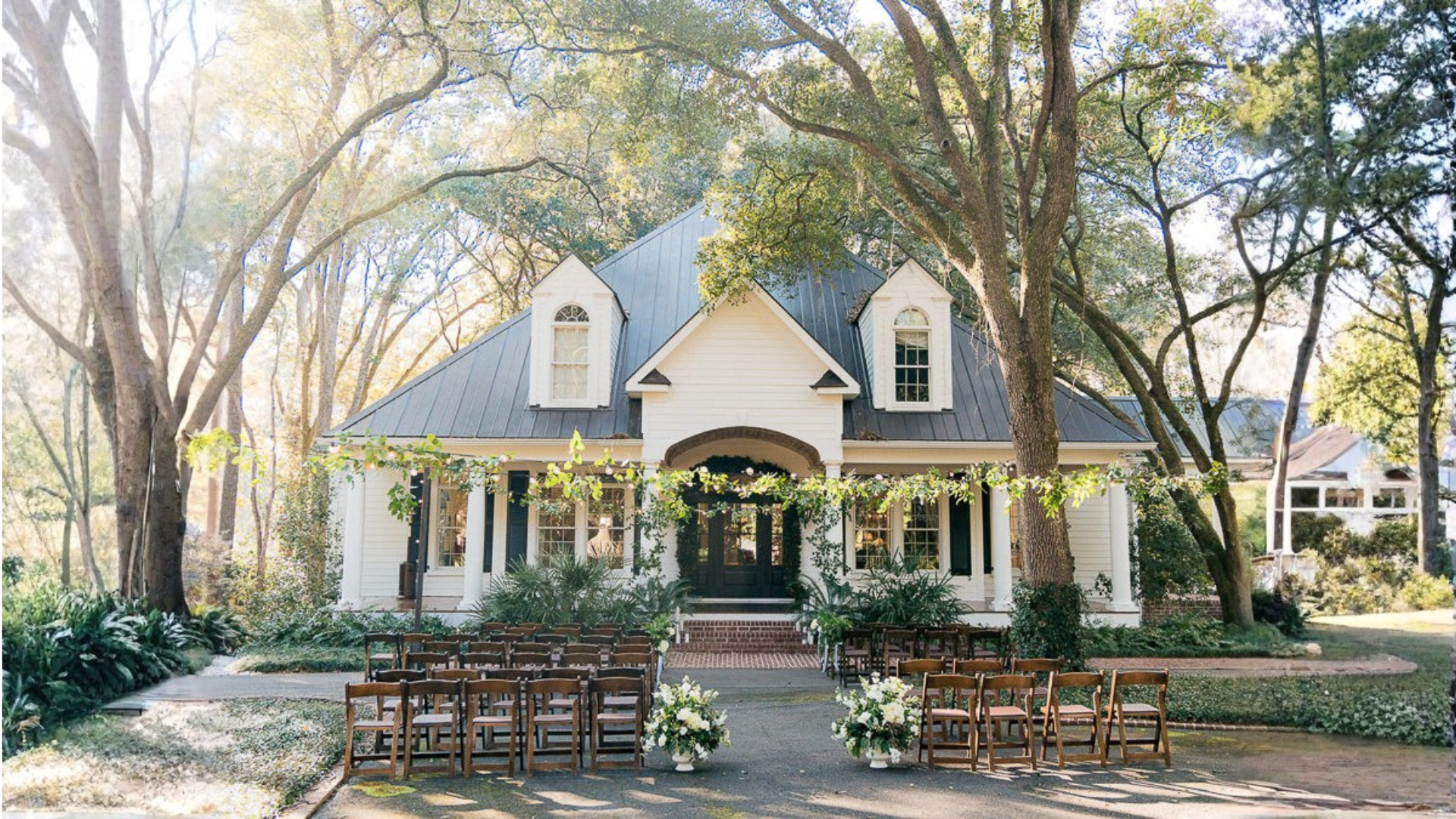
At a traditional venue, you inherit infrastructure -- loading docks, prep kitchens, designated parking, power, restrooms. At a private residence, you inherit a house.
That means the planner is now responsible for telling the homeowner when to mow the lawn. Coordinating portable restroom delivery. Renting generators. Arranging tent installation days in advance. Every one of these logistics requires coordination the planner wouldn't think twice about at a hotel ballroom.
At an established venue, your caterer knows where the outlets are. Your DJ knows the acoustics. At a private residence, every vendor is working blind. The caterer needs to cook out of a rented mobile kitchen. The band needs to run cables across a backyard without tripping hazards.
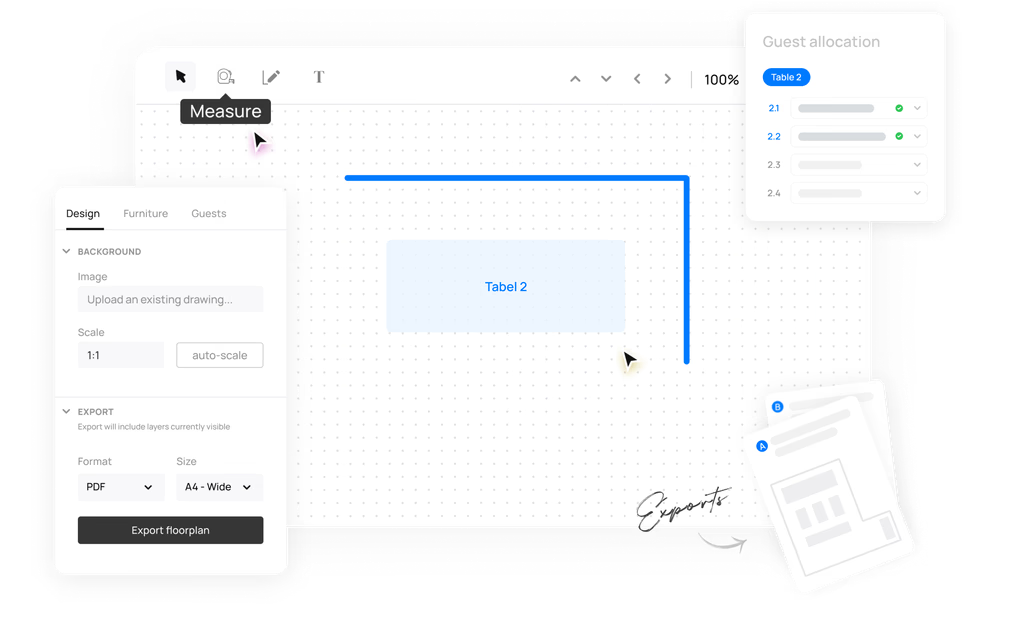
The planner becomes the general contractor -- creating site maps, writing vendor load-in schedules, assigning parking spots, establishing quiet hours with neighbors. Tools like That's The One help planners build floor plans, organize vendor details, and map out timelines for properties without a built-in event team.
Most clients think they're saving money by skipping a venue fee. They're not. They're replacing one large cost with dozens of smaller ones. And the planner's job just tripled.
If you charge the same rate for a private residence wedding as a venue wedding, you're working three times as hard for the same money. This is a premium service demanding premium pricing.
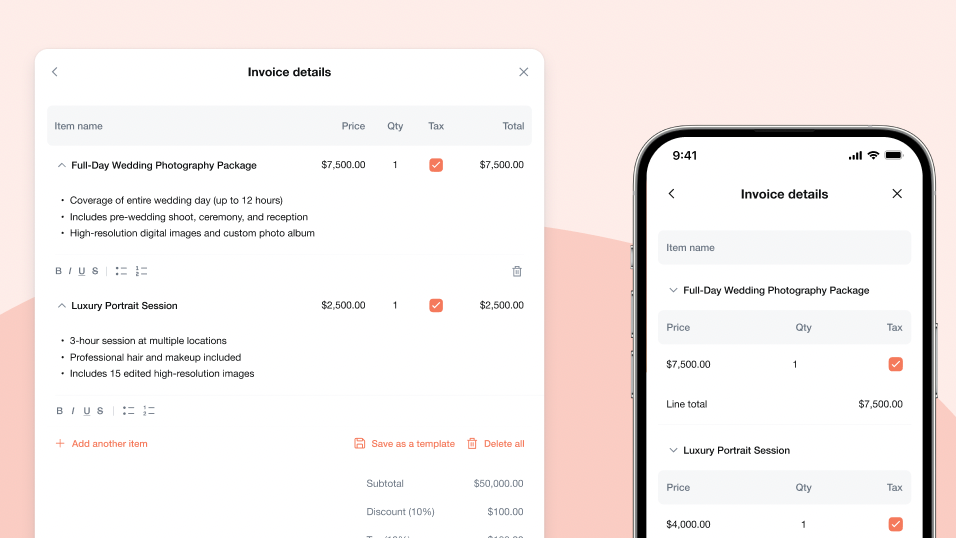
Maroo's itemized invoicing lets you list every added cost as a separate line item. Generator: $1,200. Portable restrooms: $800. Additional coordination hours: $2,500. No ambiguity. And Bill Pay lets you handle every payment from one dashboard instead of juggling Venmo, checks, and wire transfers.
Private residence weddings are a premium service. Price them that way. Use itemized invoicing so clients understand the complexity. Your expertise in building something from nothing is worth significantly more than showing up to a ballroom where everything already works.