.png)
Every elopement photographer describes it the same way. You're standing there, maybe on a ridge, maybe by a lake, maybe in a clearing you spent three weeks scouting. The couple starts reading their vows. And something hits you that you weren't prepared for.
At a big wedding, vows are a performance. They're written with an audience in mind — what sounds good to 150 people, what will make their mom cry in a nice way, what won't be too embarrassing for the groomsmen. The result is polished. Pleasant. Rarely raw.
At an elopement, there's no audience to perform for, no one to impress or hold back for. So the couple says what they actually mean. You hear why they chose each other, what they survived together, what they're afraid of. You hear what they promise when nobody is grading the promise.
One photographer who'd been shooting big weddings for five years described getting in her car after her first elopement and crying. Not because something went wrong. Because something in her had shifted. She didn't fully understand it until later, but that was the day she stopped being a wedding photographer and started being an elopement photographer.
A traditional wedding photographer spends maybe 8-10 hours with a couple on their wedding day. You meet for a consultation, maybe an engagement session, then the big day. Plenty of wedding photographers stay close with their clients for years, but the dynamic stays transactional. You're providing a service at an event they planned with someone else.
An elopement photographer is in on the planning from the start. You're helping choose the location, building the timeline from scratch instead of following a coordinator's schedule, spending a full day together — sometimes multiple days, often in remote places where it's just you and them. By the end of it, "photographer" doesn't quite cover what you were.
Couples say things like "you're the reason we got to have this day." They mean it. You helped build the experience, not just document it. And the reviews reflect that. Instead of "great photos, fast turnaround, would recommend," you get long, personal, sometimes emotional paragraphs about what the day meant and how you were part of it.
That kind of connection changes the business in concrete ways. Referrals from elopement clients run warmer. They don't just say "use my photographer." They tell the story of their day and you're a character in it. The couples who feel that bond don't price-shop. They book.
If the relationship goes this deep, the first impression can't be a clunky PDF contract attached to a Gmail thread. The booking experience is part of the brand, whether you've thought about it that way or not.
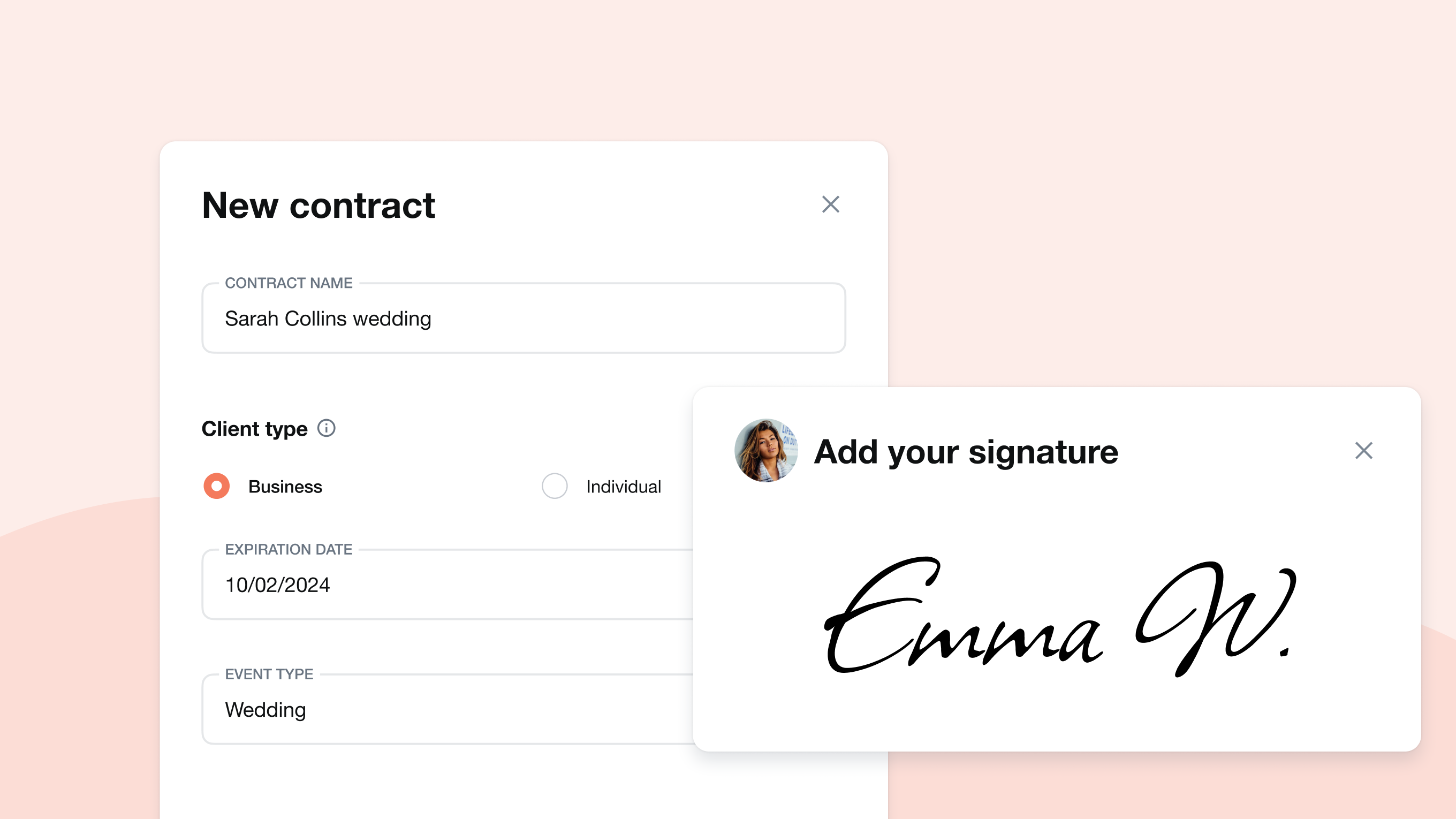
Couples who are rethinking how they want to get married are also rethinking what they expect from the people they hire. They want the process to feel intentional. A clean contract with e-signatures that matches the kind of work you do. An invoice that's itemized and clear. A payment portal where they can pay without creating an account or downloading an app. If the date, location, or scope changes after signing, keep the original agreement intact and record the approved update in a contract addendum.
These are baseline signals that you run a real business. When a couple's first interaction with you after the consult call is a professional, branded experience, it backs up the trust that brought them to you in the first place. They chose you because your work felt personal and intentional. The business side should match.
The elopement market is full of photographers who do incredible creative work and then send a PayPal request with no memo. The gap between the art and the admin is where trust leaks out. Close it, and the relationship you build with your clients starts the day they book, not the day they hike.