Four months before a wedding, a photographer sends over a detailed shot timeline. Every portrait grouping mapped out, transition windows accounted for, golden hour blocked off to the minute. Some planners see that document and bristle. They're the planner. They own the timeline. Everything runs through them.
But the planners who consistently run the smoothest wedding days? They don't see that photographer's timeline as a power grab. They see it as free information from someone who knows exactly how long their own work takes.
A veteran coordinator once described her approach this way: she builds her first draft timeline four months out, refines it at two months, and does a final walkthrough at one month. When a photographer sends their own version somewhere in that process, she doesn't push back. She pulls it apart and looks for the details she couldn't have known on her own.
Some photographers need two full hours for portraits. Others work fast and wrap in one. Some want family formals before the ceremony. Others prefer to knock them out during cocktail hour. You can guess at those preferences, or you can let the photographer tell you -- and build a day that actually reflects how they work.
Fighting that reality doesn't make you more in control. It just creates friction that shows up on the wedding day as rushed portraits, frustrated vendors, and a couple caught in the middle wondering why everyone seems tense.
Here is something the planning world doesn't talk about enough: vendor relationships generate referrals worth more than almost any ad spend. A photographer who genuinely enjoys working with you will recommend you for years. Not because you asked, but because they want their favorite couples to have a great experience. That kind of endorsement carries weight no paid campaign can match.

The flip side is just as powerful. A photographer who walked away from your wedding feeling steamrolled will mention it. Maybe not publicly, but in group chats, at industry meetups, over coffee with colleagues. Photography communities tend to be tightly connected -- planners who develop a reputation for power struggles find that referrals quietly dry up without any obvious reason.
The planners who build businesses that last are the ones who share leads, check in on other vendors' pricing so they can set accurate expectations for clients, and treat every vendor on the day as a teammate rather than a subordinate. That mindset shift -- from gatekeeper to collaborator -- changes everything about how your business grows.
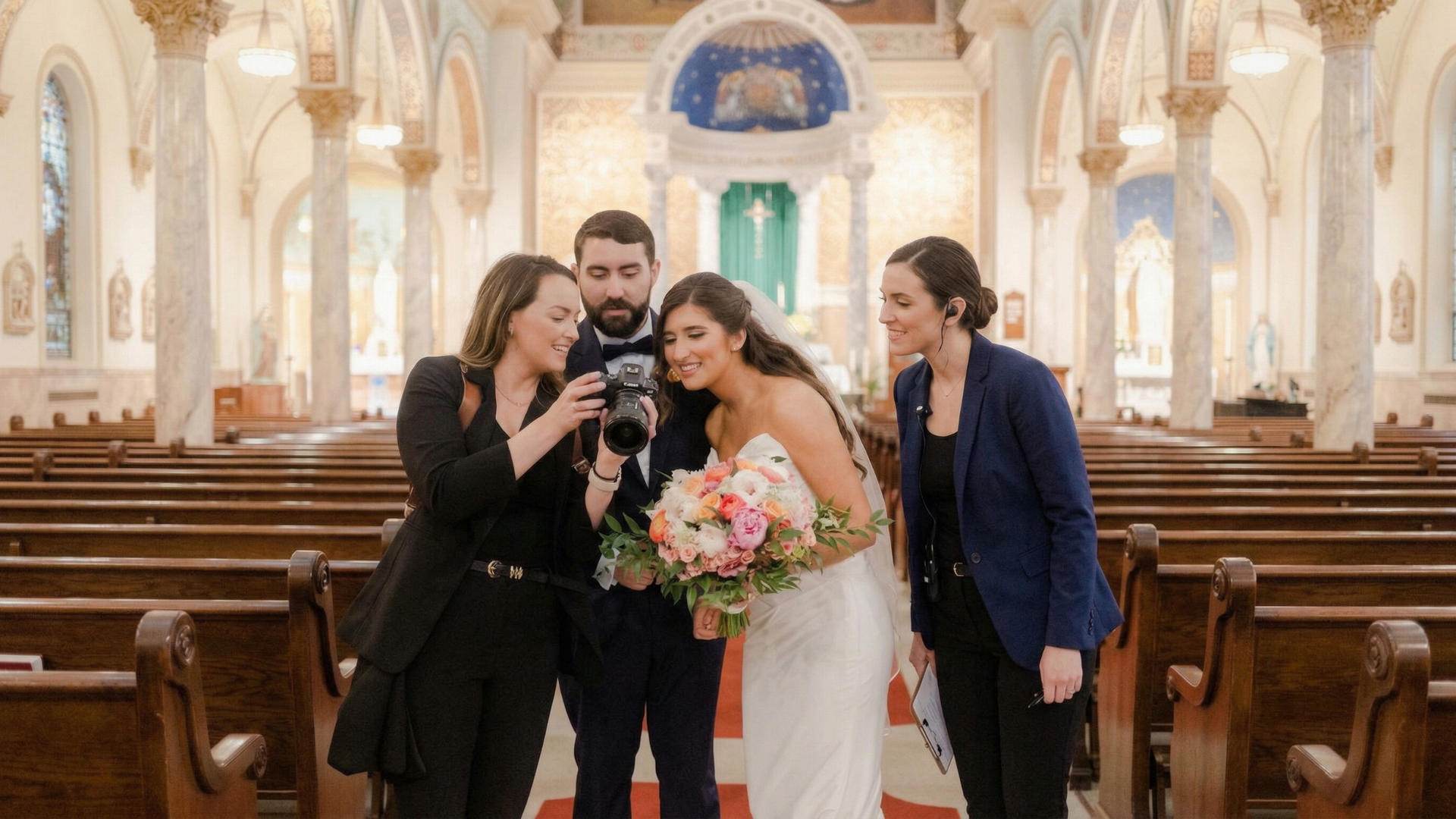
Even the operational side of coordination tells you a lot about a planner's philosophy. Picture a two-person coordination team using earpiece radios during family portrait time. One coordinator stays with the photographer, calling out which family members are needed next. The other sweeps the venue, tracking down the uncle who wandered off to the bar or the flower girl who's hiding behind the cake table.
"Located him, sending him over." Six words over a radio, and the photographer never loses momentum. That kind of seamless teamwork between a planner and a vendor doesn't happen by accident. It comes from planners who see their role as making every other vendor's job easier -- not harder.
When you build that kind of working relationship, shared timelines and vendor coordination tools make the logistics simple. Everyone works from the same schedule, updates flow in real time, and nobody's guessing what changed since the last email chain.
The planners who try to own every decision end up spending their energy on turf battles instead of execution. The ones who coordinate -- who pull in vendor expertise, share access to project timelines and calendars, and communicate proactively -- run days where everything clicks.
Control isn't coordination. The wedding day doesn't care about your ego. It cares about whether the photographer had enough time for portraits, whether the DJ knew the ceremony was running ten minutes late, and whether someone grabbed grandma before the group shot.
Build vendor teams that communicate well, and two things happen. Your wedding days get smoother. And the referrals from those relationships become the most reliable growth channel your business has -- worth more than any ad budget you'll ever set.