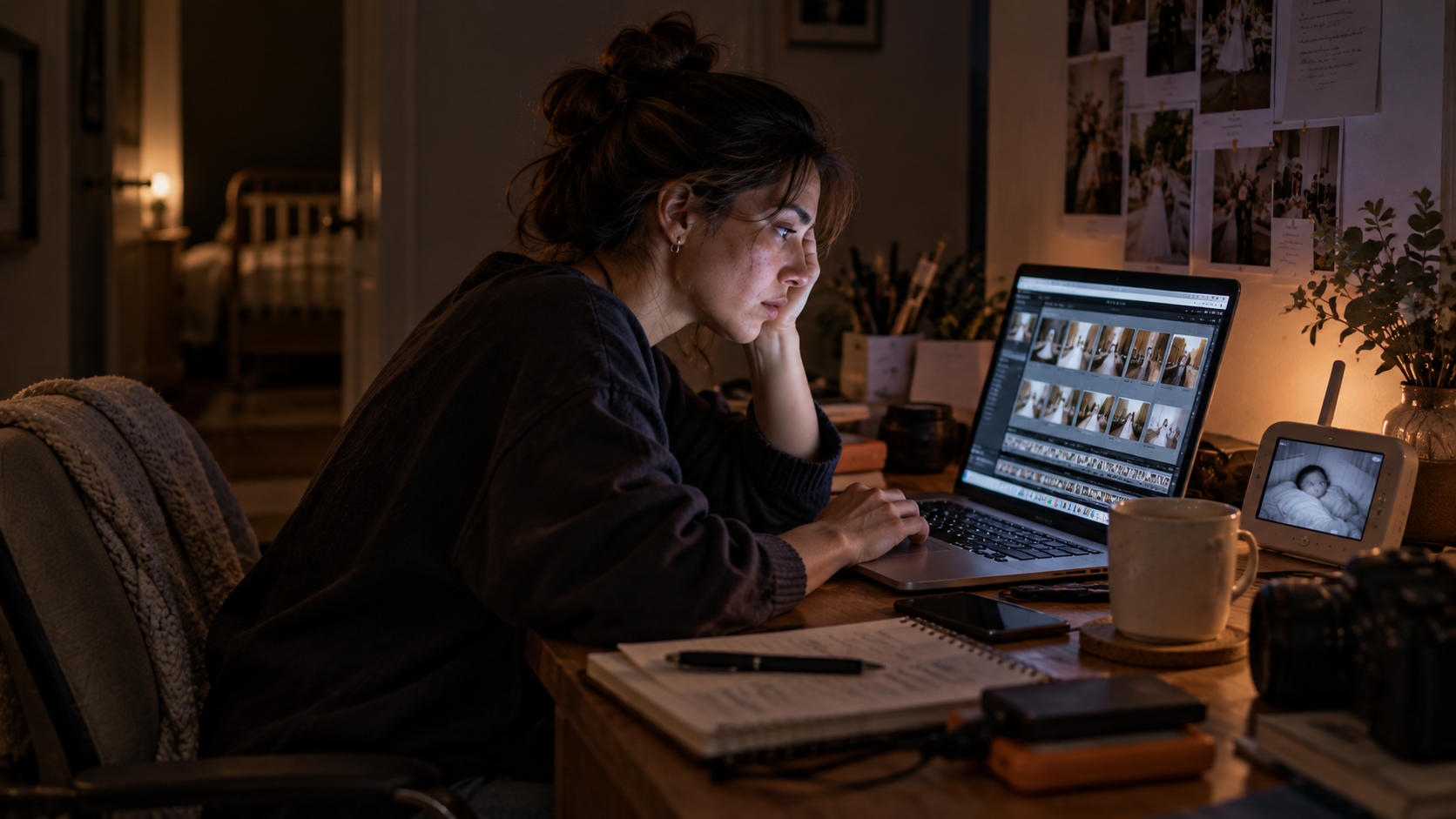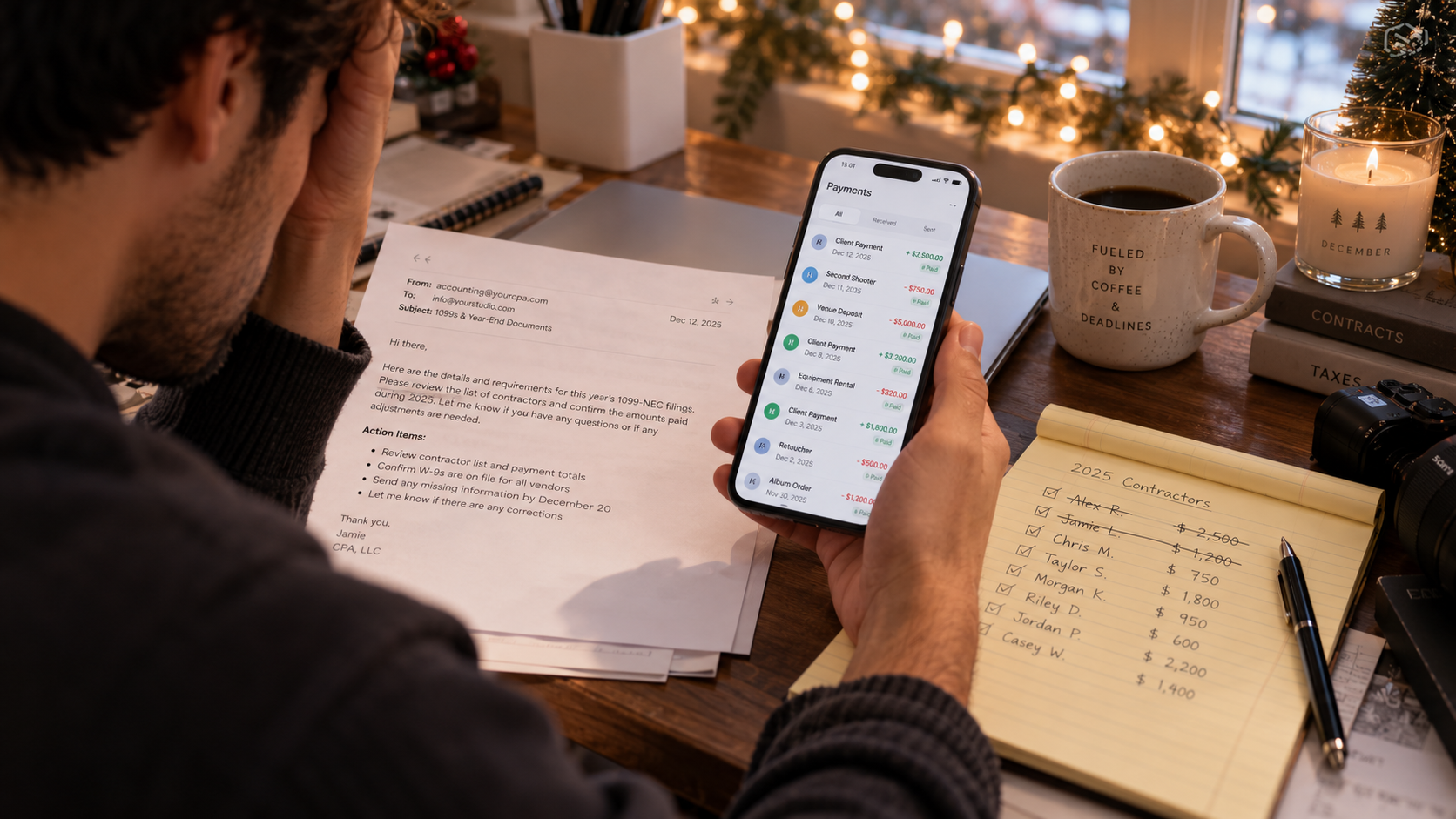
One photographer carries a handwritten timeline on a piece of paper. It's hanging out of their mouth half the day while they shoot. Their partner keeps everything digital -- phone is the Bible, second shooters get the full breakdown the week of. Names, addresses, groupings, timing. Different methods, same obsession.
Planners love vendors who run tight timelines. The couple finishes before cocktail hour. Every time.
That consistency isn't luck. It's the result of a process that starts months before anyone puts on a suit or a dress.
Four months before the wedding, this photographer sends a questionnaire. Parents' names. Bridal party details. Full itinerary. Must-have shots. Inspiration photos. Special family dynamics -- divorced parents, step-families, anyone who shouldn't be grouped together.
You can give a lead form or questionnaire its own image and preview it with your selected fonts and colors before sharing it. Watch the form-image tutorial.
The questionnaire isn't a formality. It's the foundation of the entire day. Without it, you're walking into a wedding blind, guessing which uncle needs to be in the family shot and hoping nobody gets offended when you miss someone.
Two weeks before the wedding, a final call. Anything change? New hair stylist? Different ceremony time? Updated bridal party? That call catches the last-minute shifts that would otherwise blindside you on the day.
The top complaints brides have about their photographers are poor communication, insufficient specific shots, and lack of direction. Every single one of those is a preparation failure, not a talent failure. A photographer who knows the shot list, knows the names, and knows the timeline doesn't miss shots. They don't seem directionless. They don't leave the couple wondering what's happening next.
On the wedding day, the timeline stops being a plan and becomes a contract with reality. The getting-ready period is the primary culprit for delays. Hair and makeup runs long. Someone forgets the boutonnieres. The flower girl has a meltdown. Every minute that slips in the morning compounds through the rest of the day.
Good vendors build buffer into the morning. Fifteen minutes of breathing room between "hair and makeup done" and "first look" is the difference between a relaxed bride and a frantic one. That buffer doesn't happen by accident. It happens because someone planned for the fact that things always run a little behind.
The second shooter gets the full timeline -- digital, with every name, every address, every time block. When the lead photographer is shooting the bride getting ready, the second shooter knows exactly where the groom is, what time to start detail shots, and when to head to the ceremony space. No texting back and forth. No confusion. The timeline is the playbook.
What planners actually do on a wedding day revolves almost entirely around timeline management. When a photographer shows up with their own detailed timeline, the planner doesn't have to guess what the photo team needs. They can coordinate instead of improvise. That collaboration is what makes everything feel seamless to the couple.
Contracts and proposals that document the timeline, coverage hours, and deliverables turn preparation into a shared agreement. When the coverage window is in writing -- start time, end time, buffer for travel between locations -- there's no ambiguity about when you arrive and when you leave.
A contract that says "8 hours of coverage beginning at 1:00 PM" is clear. A contract that says "full day coverage" is a fight waiting to happen at 10:00 PM when the couple is still dancing and your gear is packed.
The shot list attached to the proposal isn't just a nice-to-have. It's the document that prevents the "but I thought you were getting that" conversation two weeks after the wedding when the gallery goes out.
If you're managing a high volume of weddings each season, systematizing your timeline process is non-negotiable. You can't custom-build the workflow from scratch for every booking. You need a template that covers the standard flow, with flexibility for the specifics of each wedding.
Build the timeline four months out. Final call two weeks before. Stick to it like your reputation depends on it -- because it does. The vendors who never scramble, never miss the family photo, never leave a couple waiting during cocktail hour aren't more talented than everyone else. They're more prepared.