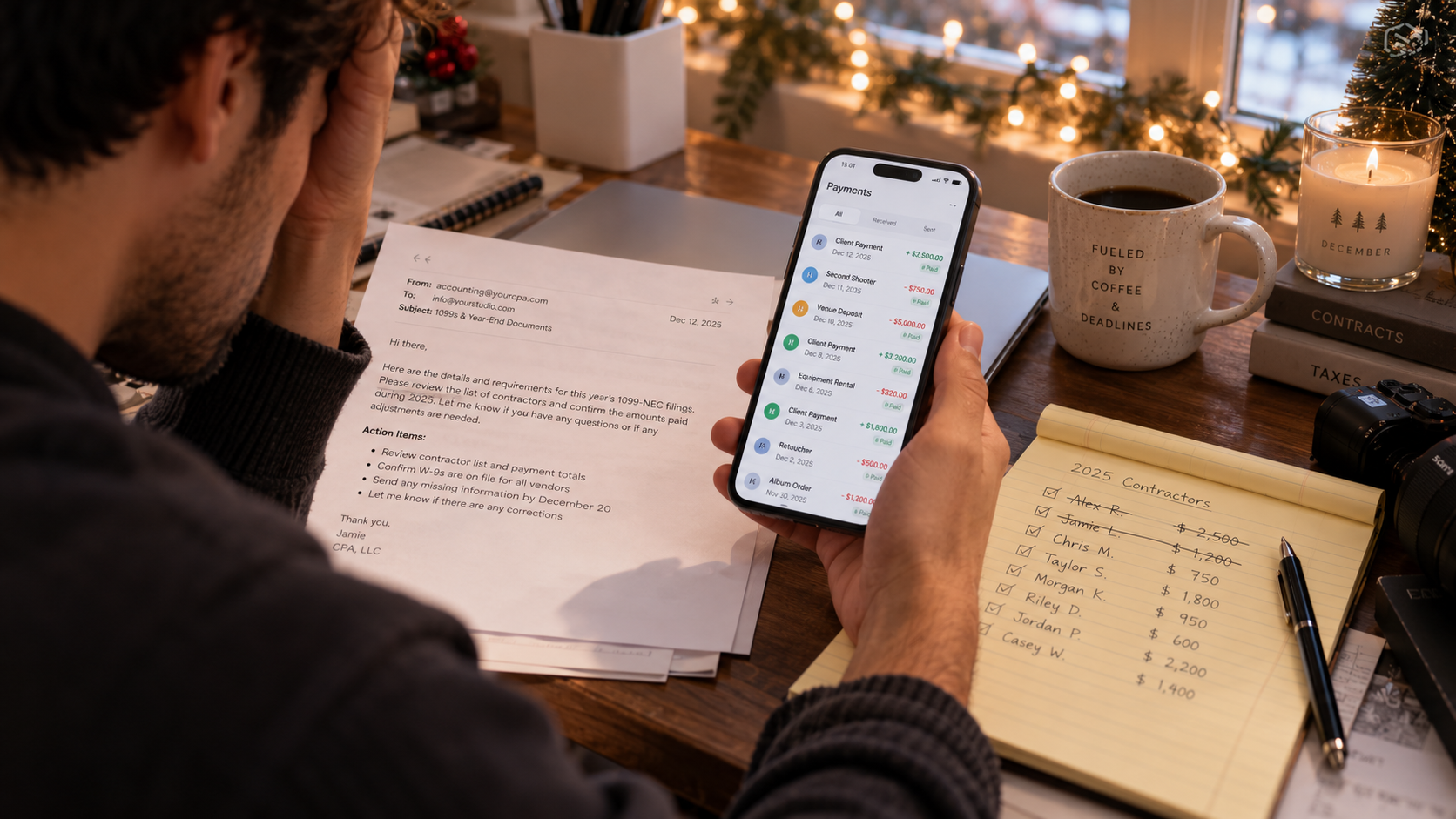
The text came in at 11:47 pm on a Tuesday. A bride wanted to talk rehearsal dinner timing. Her wedding was two years away. No venue booked. No guest count finalized. Just a midnight thought about whether Friday or Thursday worked better for a dinner that wouldn't happen for 24 months.
The planner replied within ten minutes. She always did.
That same week, a different client wanted to lock in tablescape rentals. Charger plates, specific linen colors, custom napkin folds. The problem? They hadn't hired a florist yet. The centerpiece heights and color palette would all shift once a floral designer got involved.
The planner said yes. She always did.
For her first three years, this planner treated every client request as urgent. Late-night texts got immediate responses. Out-of-order planning demands got accommodated. When a couple insisted on scheduling golden hour portraits during cocktail hour -- giving themselves maybe fifteen minutes -- she rearranged the entire timeline instead of explaining why it wouldn't work.
By year three, "whatever it takes" had a price. She was working seven days a week, answering messages at all hours, and spending time on tasks that would need to be redone. Her quality of service was slipping because the things that mattered most were getting less attention.
A couple wanted to load their entire 180-person wedding onto a shuttle bus for photos at a second location. Instead of saying yes, she said: "You have about 15 minutes of realistic loading time, not the 5 you're imagining. Here's what that means for your reception. And here's an alternative."
The couple pushed back at first. Then they thanked her.
Not a flat "no" -- but an honest assessment followed by a better option. She started applying it everywhere. Her weddings got better that year. Not because she was working harder, but because she was spending energy on the right things.
The planners who struggle most with saying no never defined what "yes" included. If your agreement is vague about scope, every client request feels like part of the job.
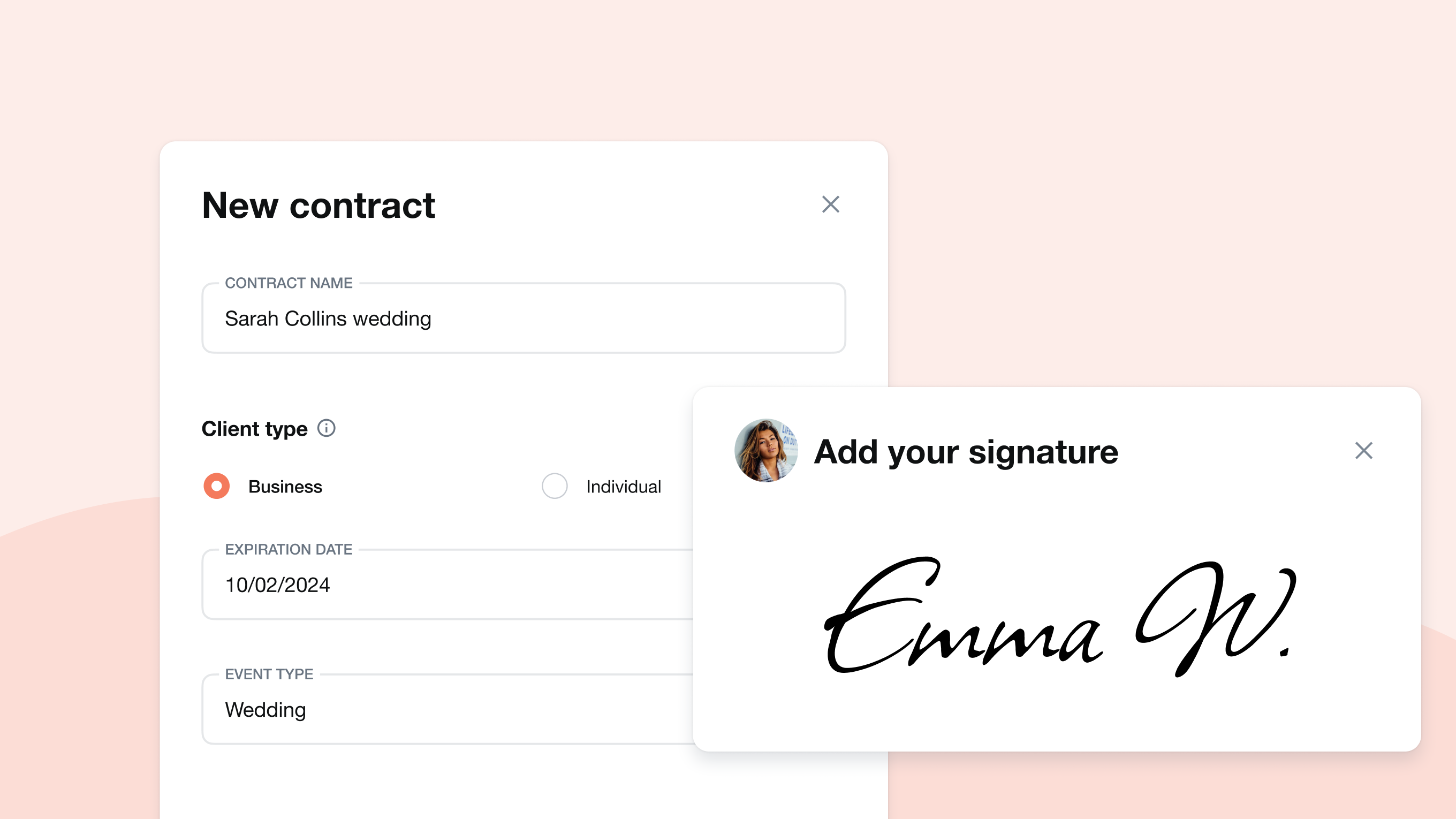
Maroo's proposals with e-signatures let you define scope upfront and get it signed before the first planning call. When a client asks for something outside the agreement, you have a signed document to reference.
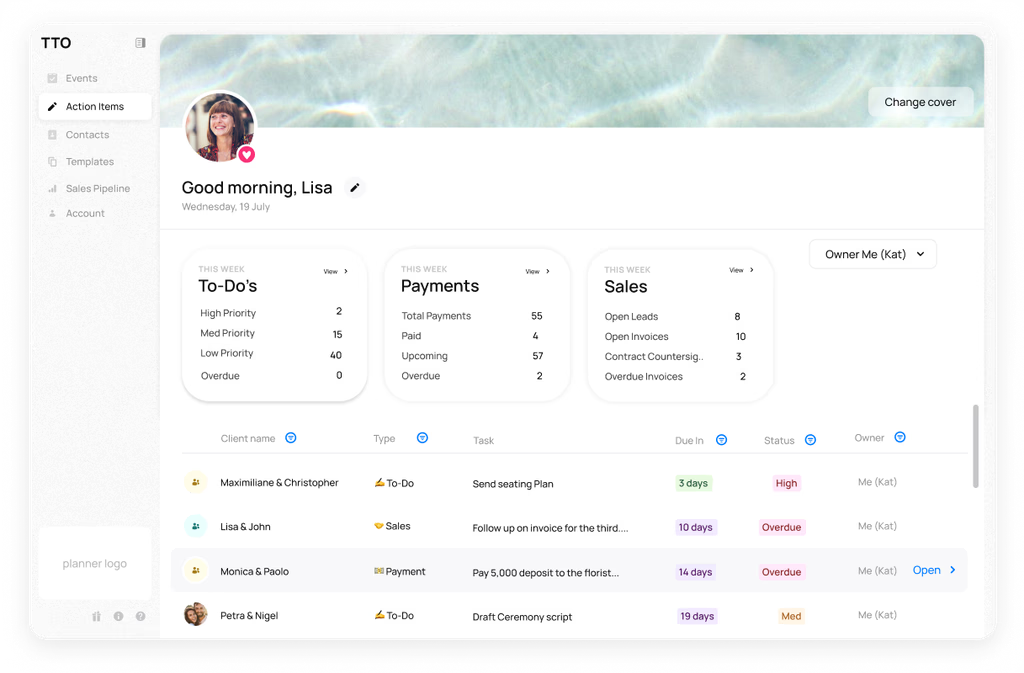
Pair that with organized task management and planning timelines, and you can show clients exactly where they are in the process. When someone wants to jump ahead to tablescape rentals before booking a florist, pull up the timeline and show them why that step comes later.
Saying no isn't losing a client. It's protecting the quality of service that got you hired. Your time has a limit. Your expertise has a value. Use both deliberately.