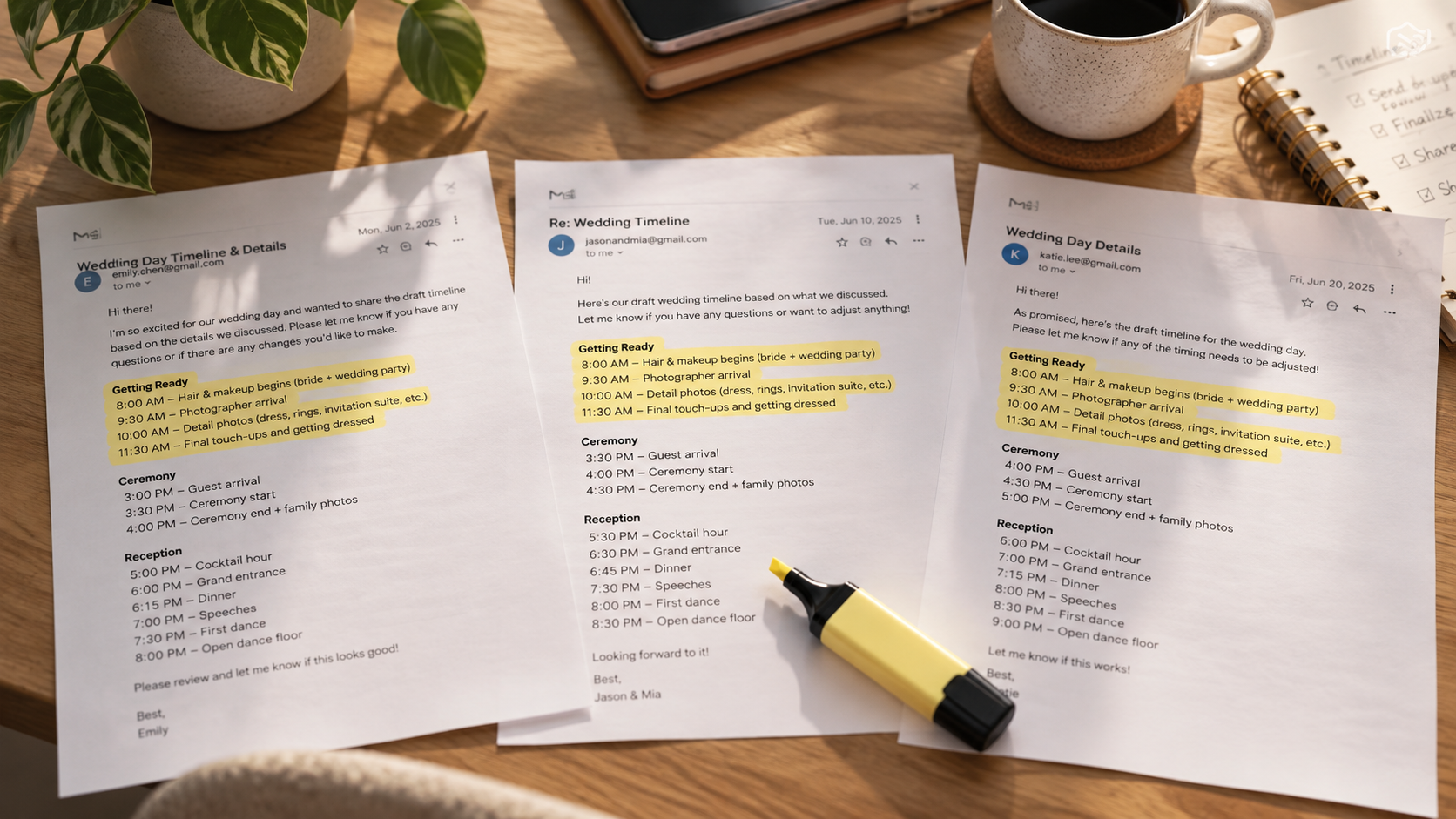
Six months into her planning business, a vendor got an inquiry for a date she'd already booked. She said no, sent a polite referral, and moved on. Then it happened again the following week. And twice more that month.
Every Saturday she was booked was a Saturday she was turning away paying couples. Not because the demand wasn't there. Because she was the only one who could take it.
The realization didn't hit all at once. It crept in over a season. By October, she could count thirteen inquiries she'd declined for dates she was already committed to. At her average package price, that was somewhere north of $40,000 in revenue she never had a chance to earn.
The wedding industry numbers tell a clear story. Photography businesses alone grew from 172,000 to 260,000 -- a 51% increase -- while the number of weddings held steady at roughly two million per year. More vendors, same number of couples.
So when inquiries are coming in and you're turning them away, that's not a problem to shrug off. In a market that's getting more competitive by the year, turning away warm leads isn't just lost revenue. It's handing clients to your competitors. Clients who came to you first. Clients who wanted your work.
Most vendors don't track declined inquiries at all. They say no, maybe send a referral, and forget about it. But those declined inquiries are data. They tell you exactly when your demand exceeds your capacity, and by how much.
The national average wedding cost sits at $36,000, and 69% of couples end up exceeding their original budget. The money is there. The question is whether your business can capture it, or whether you're structurally limited to what one person can do on a Saturday.
The planner who counted those thirteen missed bookings didn't hire a full-time employee. She brought on an associate -- a coordinator she'd mentored who could handle day-of work independently. The associate took bookings under the company's brand, used the same proposal templates, and delivered a consistent client experience.
The first month, the associate booked two weddings the planner would have declined. Revenue the business would have never seen.
This isn't about building an empire. It's about not leaving money sitting on the table because you're the only person who can pick it up. An associate model lets you say "yes, we can take that date" instead of "sorry, I'm booked." One answer grows your business. The other keeps it exactly where it is.
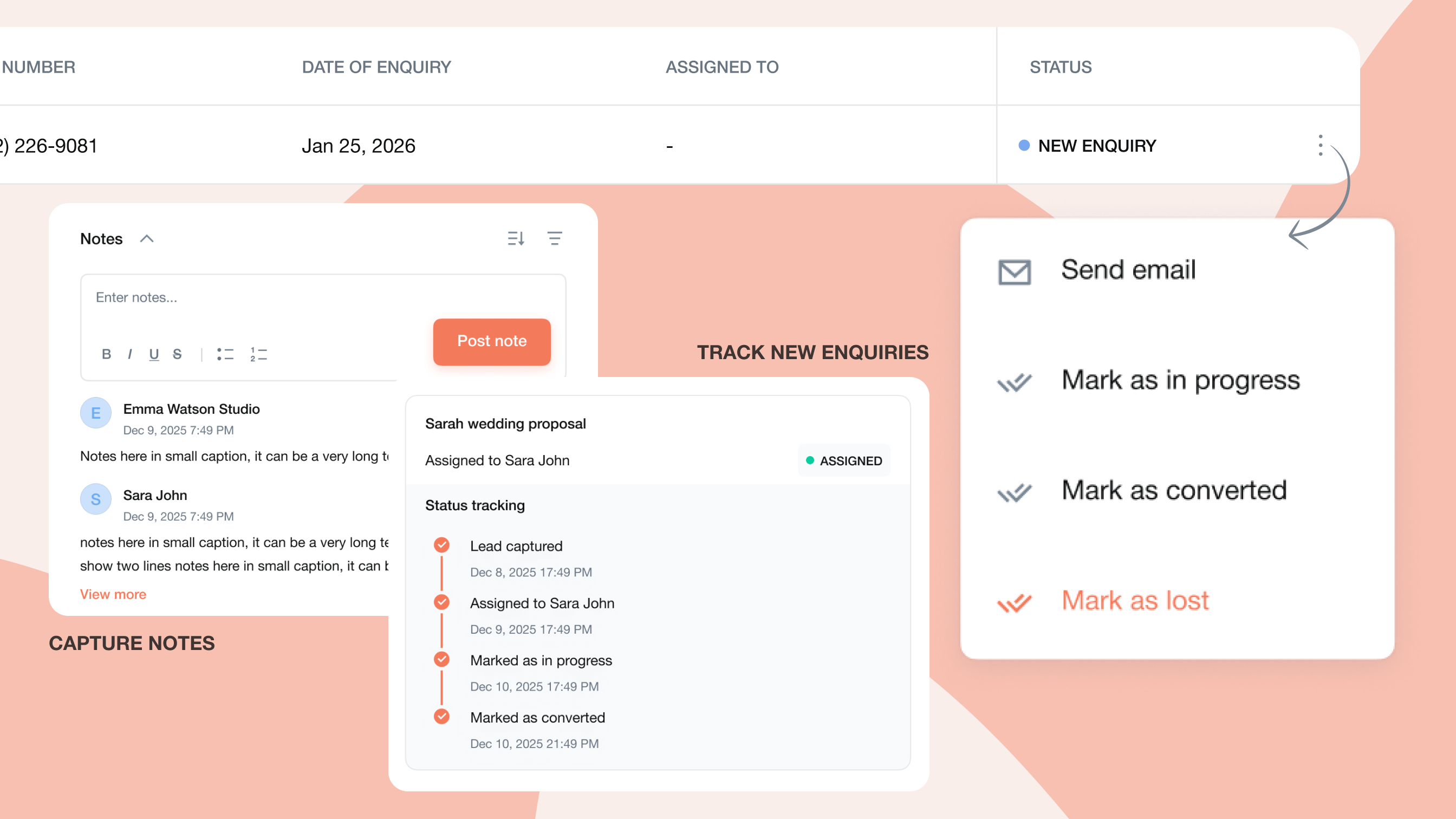
Tracking where those inquiries come from and what happens to them matters too. A CRM that logs every lead -- booked, declined, or pending -- gives you a real picture of your demand. Without that, you're guessing. And guessing usually means underestimating. If you're not tracking inquiries systematically, here's how CRM automation changes that.
For the next thirty days, track every inquiry you decline. Write down the date, the service they wanted, and the package price they likely would have booked. Don't do anything with the data yet. Just collect it.
At the end of the month, add it up. That number is the gap between where your business is and where it could be.
You might be surprised. Most vendors assume they turn away a handful of bookings a year. When they actually count, it's often two or three times what they expected. Peak season Saturdays are especially revealing -- some vendors turn away more inquiries than they accept during their busiest months.
Maybe the total is small enough that you're comfortable leaving it. Maybe it's large enough that it changes how you think about hiring, about pricing, about how you market your business for the coming season.
Either way, you'll know. And knowing beats guessing every single time.