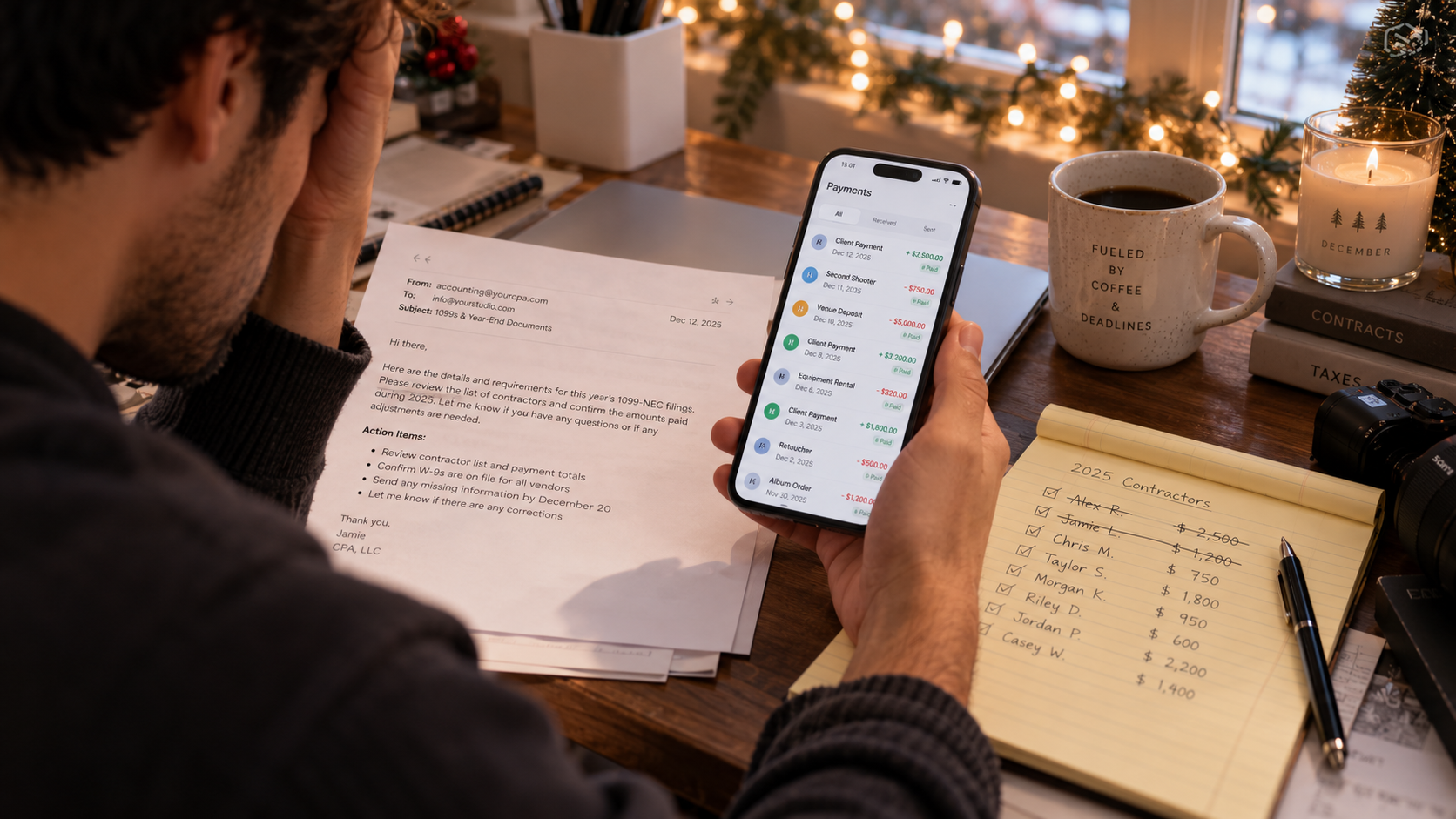
No coworkers. No water cooler. No one who understands that your Sunday was fourteen hours on your feet in heels and your Monday means culling three thousand images alone in a dark room.
You started this business for freedom. Creative control. The ability to set your own schedule and do work that matters to you. What nobody mentioned was that freedom, in practice, often looks like eating lunch alone at your desk five days a week and having no one to talk to about the client who just sent seventeen revision requests.
The isolation isn't dramatic. It's quiet. It builds so slowly you don't notice it until you realize you haven't had a real conversation with someone who understands your work in weeks.
13% of solopreneurs report loneliness and isolation as a significant challenge in their business. That might sound low until you consider that most people don't voluntarily admit to feeling lonely. The real number is almost certainly higher.
What's more telling: 34% of solopreneurs have seriously considered abandoning their venture. Not because the work dried up. Not because they couldn't land clients. Because the cumulative weight of doing everything alone -- the creative work, the business operations, the emotional labor of client relationships -- becomes too much to carry solo.
Wedding vendors occupy a strange position. You're surrounded by people at work -- couples, families, other vendors at events. But none of them are your people in the business sense. Nobody at the reception is going to commiserate about your Q4 tax estimate or help you figure out whether to raise your prices.
Your partner hears about the hard days, but they can't really get it. Your friends think you have a dream job because you "only work weekends." The gap between what your work looks like from the outside and what it feels like on the inside is enormous, and there's rarely anyone around to bridge it.
There's a specific kind of loneliness that comes from spending your evenings on tasks no one will ever see or appreciate. Invoicing. Payment follow-ups. Expense categorization. Contract revisions. These are solitary, repetitive, thankless tasks, and they eat hours that could be spent with family, friends, or literally anyone who isn't a spreadsheet.
The creative isolation -- editing alone, planning alone -- is at least tied to work you care about. The admin isolation is just work you endure. And it's often the thing that pushes vendors from "I love what I do" to "I can't do this anymore."
Think about it this way. You spend your Saturday creating something beautiful with real people in a room full of emotion. Then you spend your Tuesday night alone, staring at an invoice template, wondering if a couple is going to pay their final balance on time. The whiplash between those two experiences is real, and it wears on you in ways that are hard to articulate.
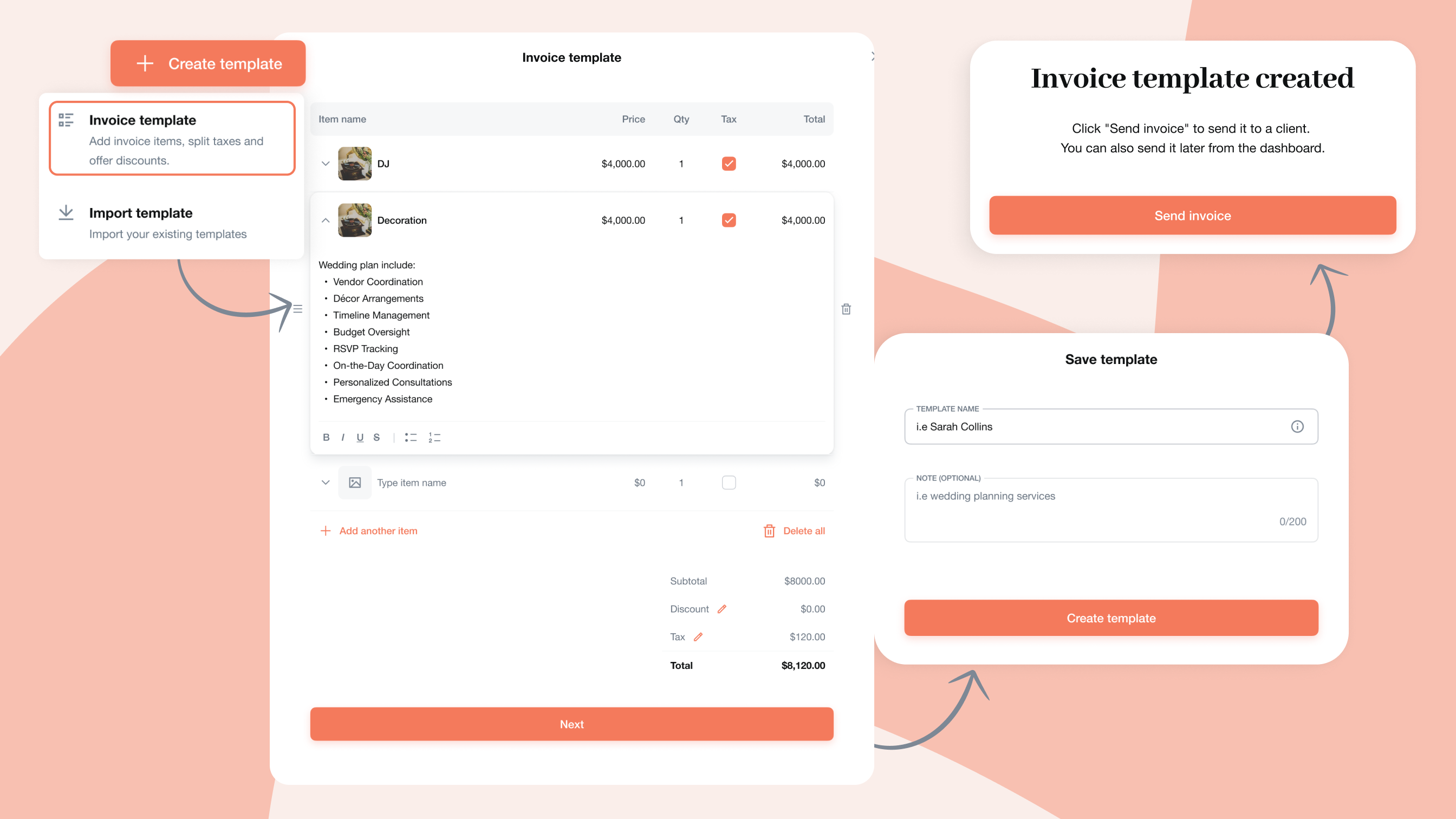
Offloading admin doesn't solve loneliness entirely. But it does remove the most isolating hours of your week. When invoicing and payment collection run automatically, you get those evenings back. What you do with them is up to you, but at least you have the option.
The vendors who last in this industry almost always have a peer group. Not a Facebook group with ten thousand strangers. A small circle of people who do what they do, who understand the specific stresses, and who pick up the phone when things get hard.
Some find that through industry conferences. Some through local vendor meetups. Some through online communities -- Maroo's community of 13,000+ wedding pros is one of them, though the size matters less than finding a handful of people you actually connect with.
The best peer groups aren't structured. They're just a few people who text each other when a client ghosts on a final payment. Who share what they're charging so everyone can stop guessing. Who say "yeah, I had that exact same problem last month" when you need to hear it most.
If you're in the early stages and still trying to figure out whether this business is sustainable, this piece on going full-time is honest about what that transition actually looks like. And if you're past the early stage and deep in the grind, the burnout conversation is one worth having before it gets worse.
The business should fund your sanity, not erode it. If the operational weight is what's making you feel alone, that's solvable. Outsource what drains you. Find your people. And stop pretending that doing everything yourself is strength. It's not. It's just habit.