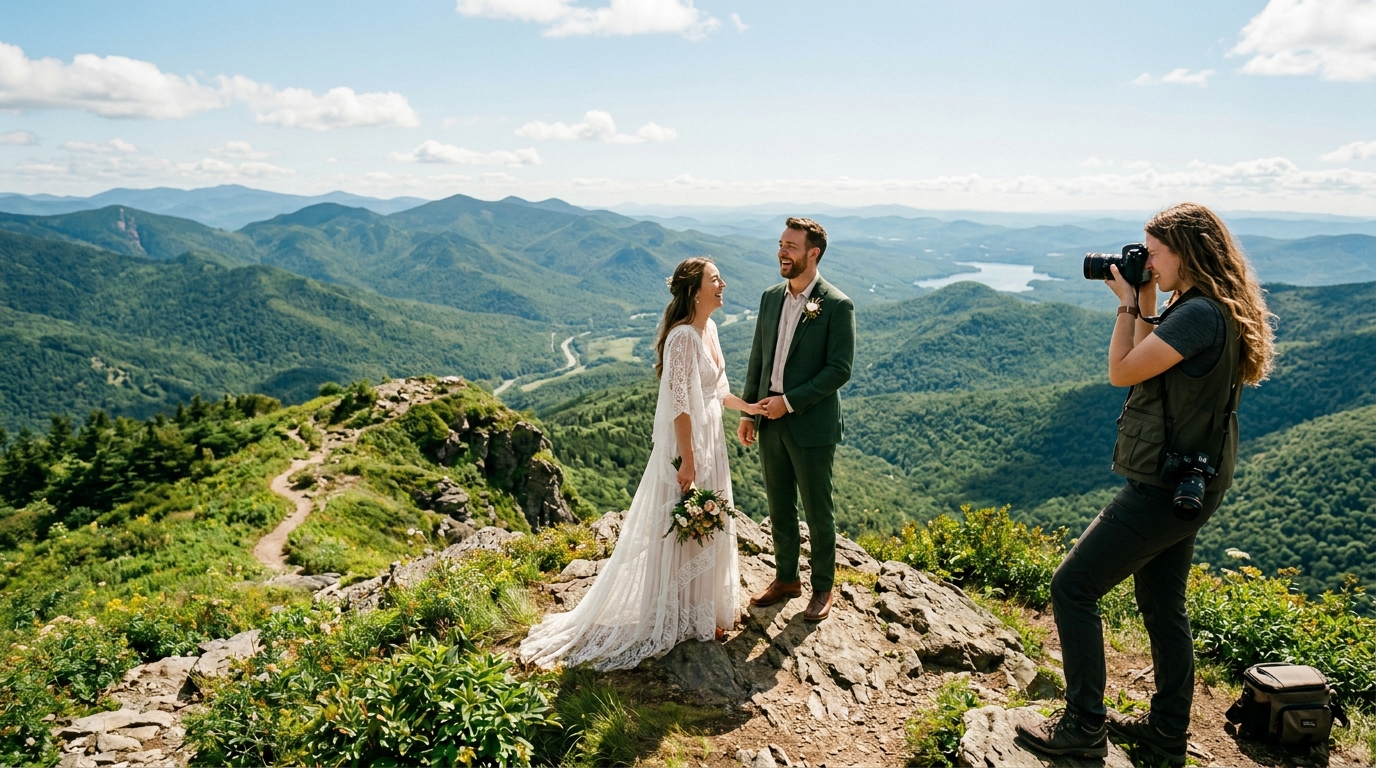
Ten years ago, calling yourself an elopement photographer was career suicide. The feedback was unanimous and blunt: couples who elope are cheap, you'll never make a living, what are you doing. One photographer who made the switch early heard it from colleagues, family members, and her own partner at the time. She rebranded her entire business three months into going full-time. He told her it was a bad idea. She did it anyway.
That photographer now books 8-10 hour coverage days across dozens of countries. She's not an outlier anymore. She's part of a category that barely existed a decade ago and now represents a real share of the wedding photography market.
The shift shows up in the data. A 2024 CivicScience study found that 53% of people getting married planned weddings with fewer than 50 guests. Average guest counts dropped from 134 in 2023 to 127 by early 2025. Nearly half of couples say they'd consider a micro wedding or elopement, and that number climbs to 57% among those currently engaged.
The couples aren't coming because it's trendy. The old format just doesn't fit how they want to get married.
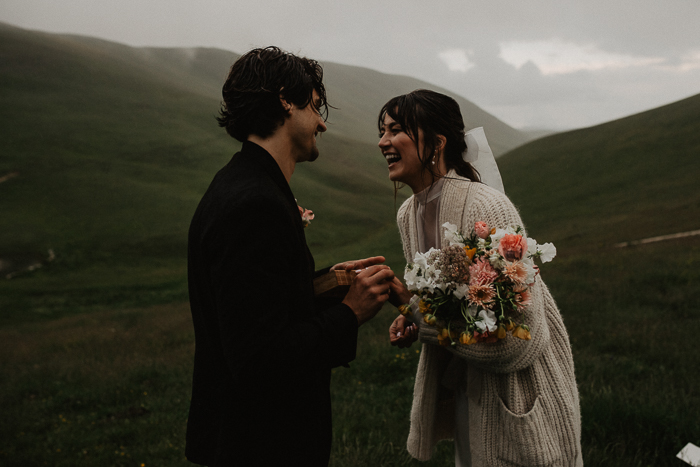
If you've only shot traditional weddings, it won't be the technical side that surprises you. It'll be the emotional shift. The pressure drops in a way you don't expect. The couple is actually present — not performing for a room, not watching the clock because the caterer needs them seated by 6:30.
No cocktail hour to race against. No 15-minute window crammed between ceremony and reception for the only couples portraits you'll get all day. Elopement coverage runs 8-10 hours, and couples portraits might be 20% of what you actually document. The rest is the experience: the hike, the meal they chose, the spot that means something to them, the long pauses where nothing is happening and somehow that's the best part.
The vows are what really get to you. Without an audience, couples say things they'd never say in front of a hundred people. You hear why they chose each other. What the relationship survived. I've talked to multiple elopement photographers who describe ending the day feeling like they've made a genuine friend, and it sounds like an exaggeration until you experience it yourself.
That closeness shows up later in referrals and in the kind of detailed, specific reviews that bring in new clients without you lifting a finger. Couples who feel that kind of connection don't compare your prices to the photographer down the street. They just book.
This is where it stops being romantic.
A couple wants to paddle board during their vows on an alpine lake. Another wants a helicopter onto a glacier. A third needs a 4x4 driver to reach a ridgeline that would shred a rental car. These aren't hypotheticals. They're a regular week.
Location scouting is the biggest difference from traditional wedding photography. The couple doesn't have a venue when they hire you — you're helping them find one. That means researching terrain, checking permit requirements, figuring out whether a spot has the right combination of seclusion, access, and views to actually work for a ceremony. Some photographers have gotten so good at this that they can identify exactly where any outdoor photo was taken just from the topography. Weird skill. Also the one their clients value most.
Safety planning is the other piece that separates working professionals from people who watched a YouTube video and bought a plane ticket. One photographer had to relocate a ceremony mid-vow when two bull elk in mating season wandered into the clearing. Another had a grizzly bear show up 50 feet from a couple reading vows in Alaska. The grizzly ran. The elk did not. In both cases, the photographer had planned for it: sat phone charged, escape route identified, and a contract that spelled out exactly what happens when the plan changes.
Then there's the team. Adventure elopements aren't solo operations. Hiking guides for couples who don't hike regularly, helicopter pilots, 4x4 drivers, second shooters flown in for multi-day events. Every one of them needs to get paid, tracked, and reported at tax time. Managing all of that through Venmo and a spreadsheet works for a while, and then suddenly it doesn't — usually around January when you're staring at a pile of unsorted contractor payments and your accountant is asking for 1099s. Contractor payment tools with free B2B ACH transfers and automatic 1099 generation at year-end solve the problem before it starts.
The old binary of big wedding or elopement is collapsing. One photographer reported that nearly a third of last year's 350 inquiries were for 50 guests or fewer. Micro weddings, backyard ceremonies, weekday venue rentals. The space between "two people on a mountain" and "200 guests in a ballroom" is filling up fast.
Photographers who win here can price across the entire range without it turning into an operational nightmare. Modular pricing works, and it's less complicated than it sounds. Base coverage as one line item. Adventure add-ons as another. Extra hours, second shooter, albums — each priced separately and mixed depending on the event. Itemized invoicing makes this work. When every deliverable is on the invoice, you skip the "I thought that was included" conversation two weeks before the elopement. The invoice itself becomes the boundary.
Payment milestones matter just as much, especially for destination work. A retainer to hold the date, installments leading up, final balance before the day. For elopements booked a year out, this gives the photographer cash flow now while the couple pays over time. Automated reminders keep things on schedule without you having to send the awkward "just following up" email. Travel costs — flights, lodging, permits — get itemized alongside the creative work so nothing disappears into an email thread from eight months ago.
The cash flow problem that actually stings: destination photographers front flights, lodging, and permit fees for events that might be a year away. Those costs hit your credit card today. The final client payment lands... eventually. Check the payout options and timing available for your account when planning cash flow. Set payment milestones with enough lead time for travel costs.
A decade ago, calling yourself an elopement photographer was differentiation enough. Barely anyone did. Now thousands do, plus thousands more wedding photographers who also offer elopement packages. "I shoot elopements" stopped being a positioning statement somewhere around 2022.
The market is rethinking traditions at every level. Gen Z now represents 41% of the wedding market, per a 2025 Springs Venue analysis. They're less attached to defaults than any generation before them — 62% request unplugged ceremonies. They want the experience to feel like theirs, not like a template they filled in. Elopement photography already delivers that, which is great for demand but does nothing for differentiation.
The photographers building businesses that last are specializing within the space. A location they know cold. A style of elopement nobody else is doing in their market. A planning process that goes deeper than "where do you want to get married?" and actually shapes the day around who the couple is.
The business infrastructure has to match. A photographer whose contracts include adventure-specific clauses — liability limits, weather pivot policies, guide requirements — looks different from one sending a generic wedding contract with "elopement" pasted in. Same goes for the payment experience. When a couple receives a clean invoice through a branded portal and pays without creating an account, that's not just convenient. It tells them something about who they're hiring.
Guest counts keep shrinking. The micro wedding middle ground keeps expanding. The question for photographers isn't whether to add elopements. It's whether the business behind the camera can keep up with what the work actually demands.