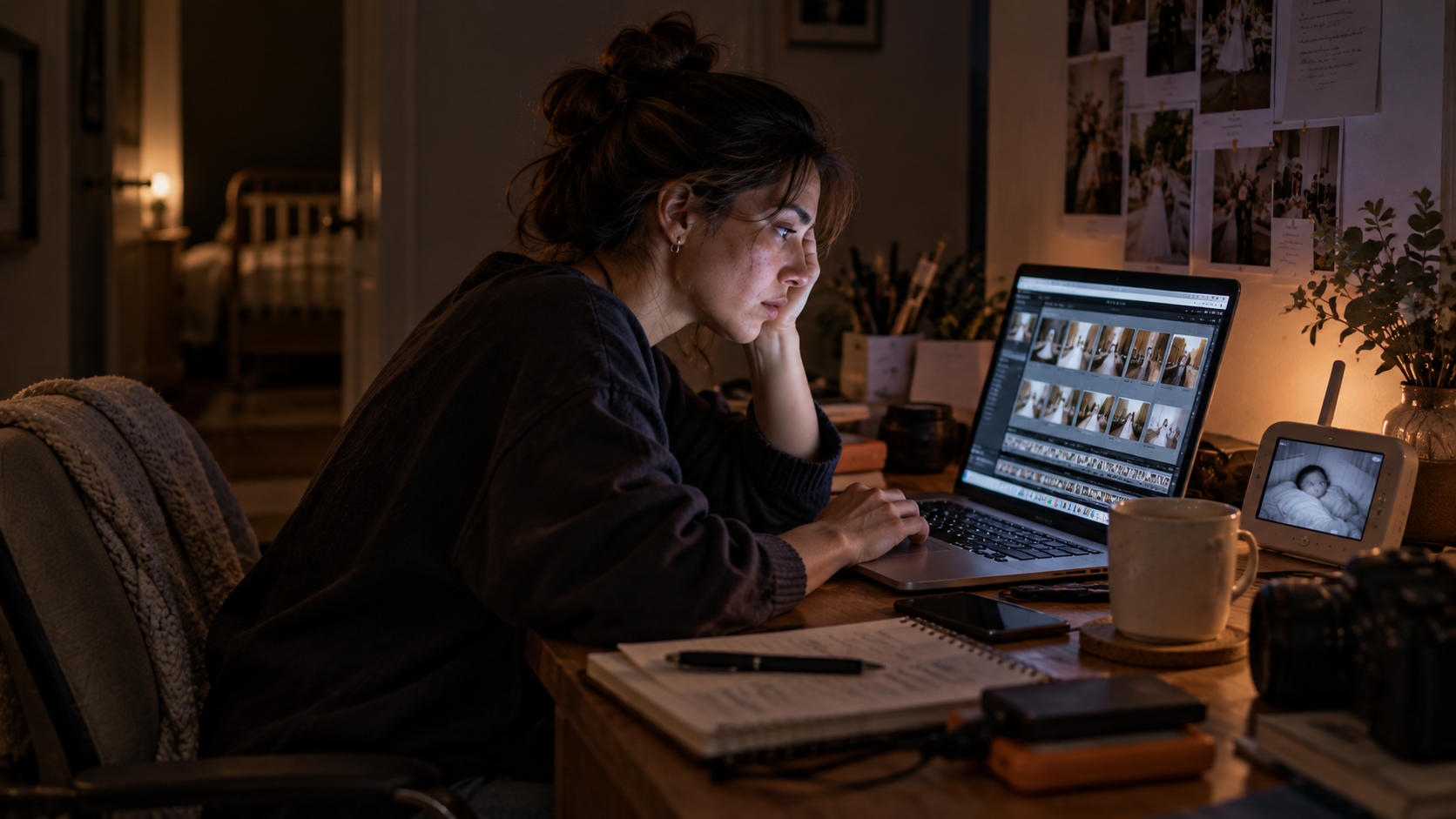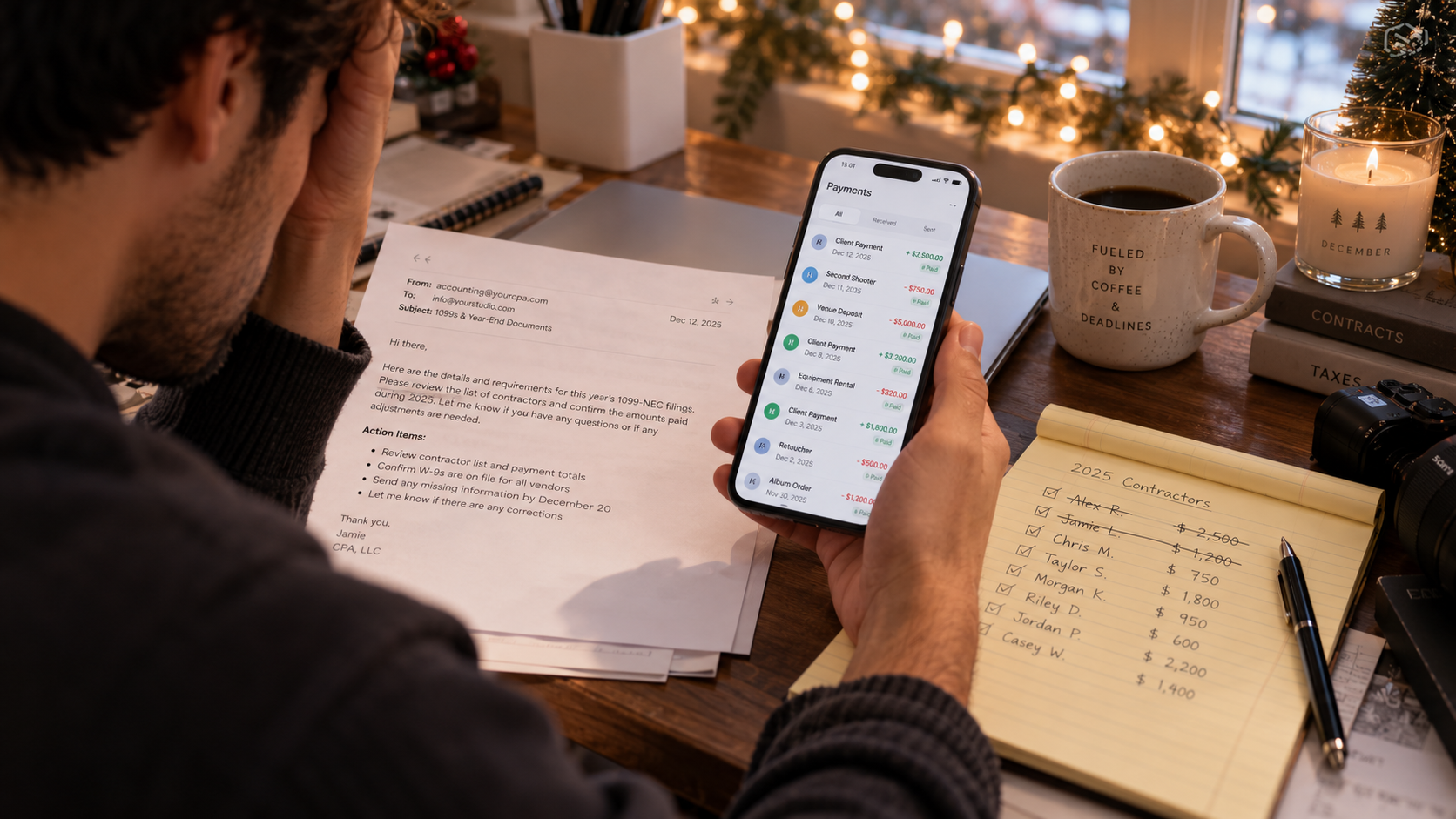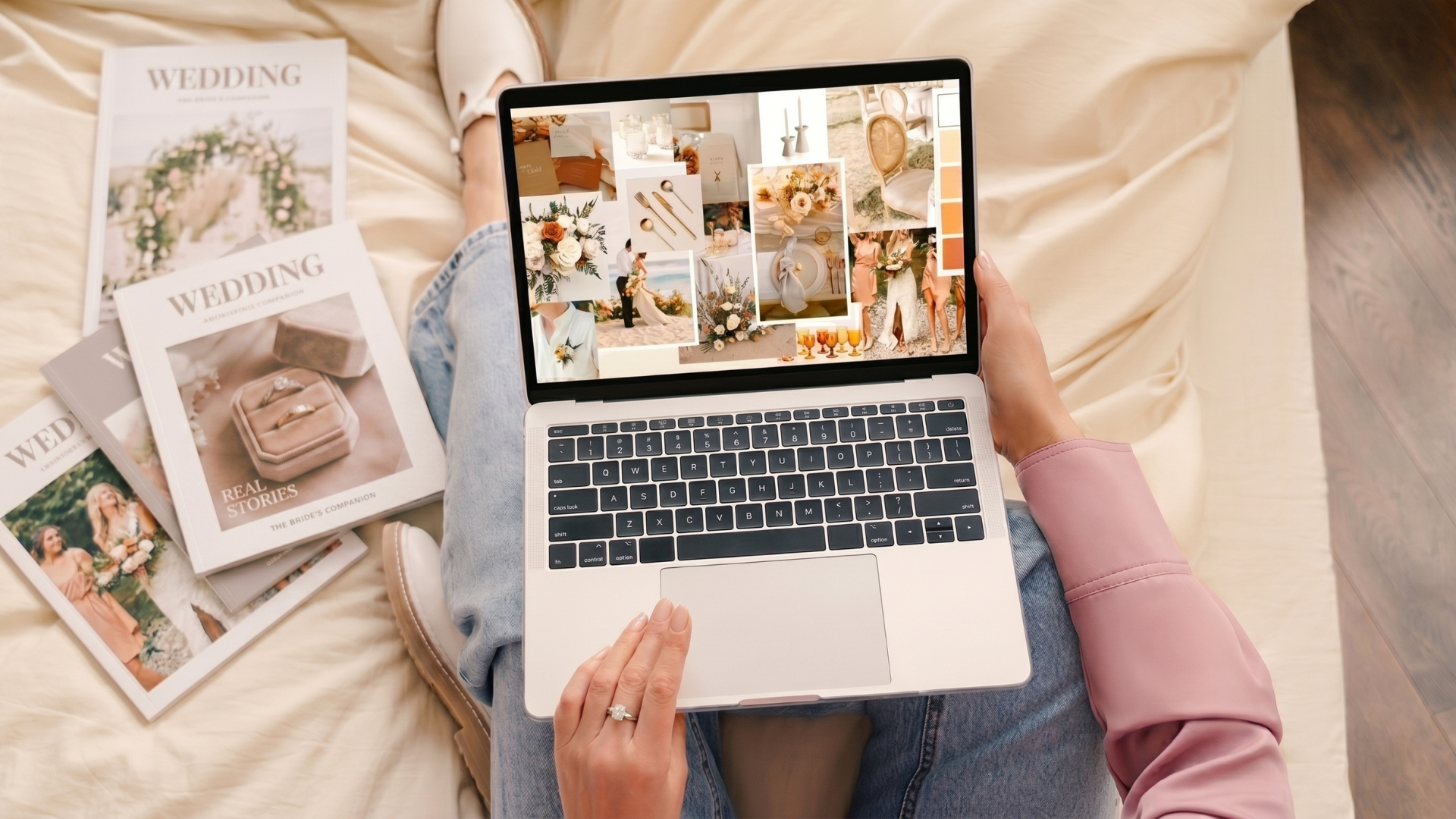
A wedding inspiration account posted a photo of floating tables in a pool. Crystal glasses catching late-afternoon light. White linen cushions hovering on the water's surface without a single wrinkle. Taper candles burning between place settings, their flames perfectly still despite being outdoors over water. The image racked up thousands of saves in a week.
Then wedding planners started getting the call. "We saw this setup online. Can we do it at our venue?" The answer, every single time, was no. The physics don't work. A child jumps in the pool and your four-course dinner is floating face-down. The cushions absorb water in minutes. The structural support required to stabilize a dining table on a pool surface doesn't exist at any reasonable price. It was never a real setup. It was generated by AI. And the account that posted it never mentioned that.
Seventy-three percent of couples rely on reviews and visual content when choosing vendors and shaping their wedding vision. Pinterest and Instagram are where that vision gets built -- one saved image at a time. When AI-generated images enter those feeds without any label or disclosure, they become part of the planning foundation. Couples don't distinguish between a photo from a real wedding and a render from a generative model. Both look equally polished in a saved folder.
The problem compounds. One AI-generated image gets saved by hundreds of couples. Those couples share it with their planners, their florists, their designers. The image becomes a reference point for real decisions about real budgets. And nobody in the chain knows it was never achievable in the first place.
This isn't limited to tablescapes. AI-generated floral arrangements show gravity-defying installations that would require engineering support no florist can provide at a wedding-day budget. Generated venue images depict lighting that would need a film crew's worth of equipment to replicate. Generated dress images show construction details that don't exist in any designer's catalog.
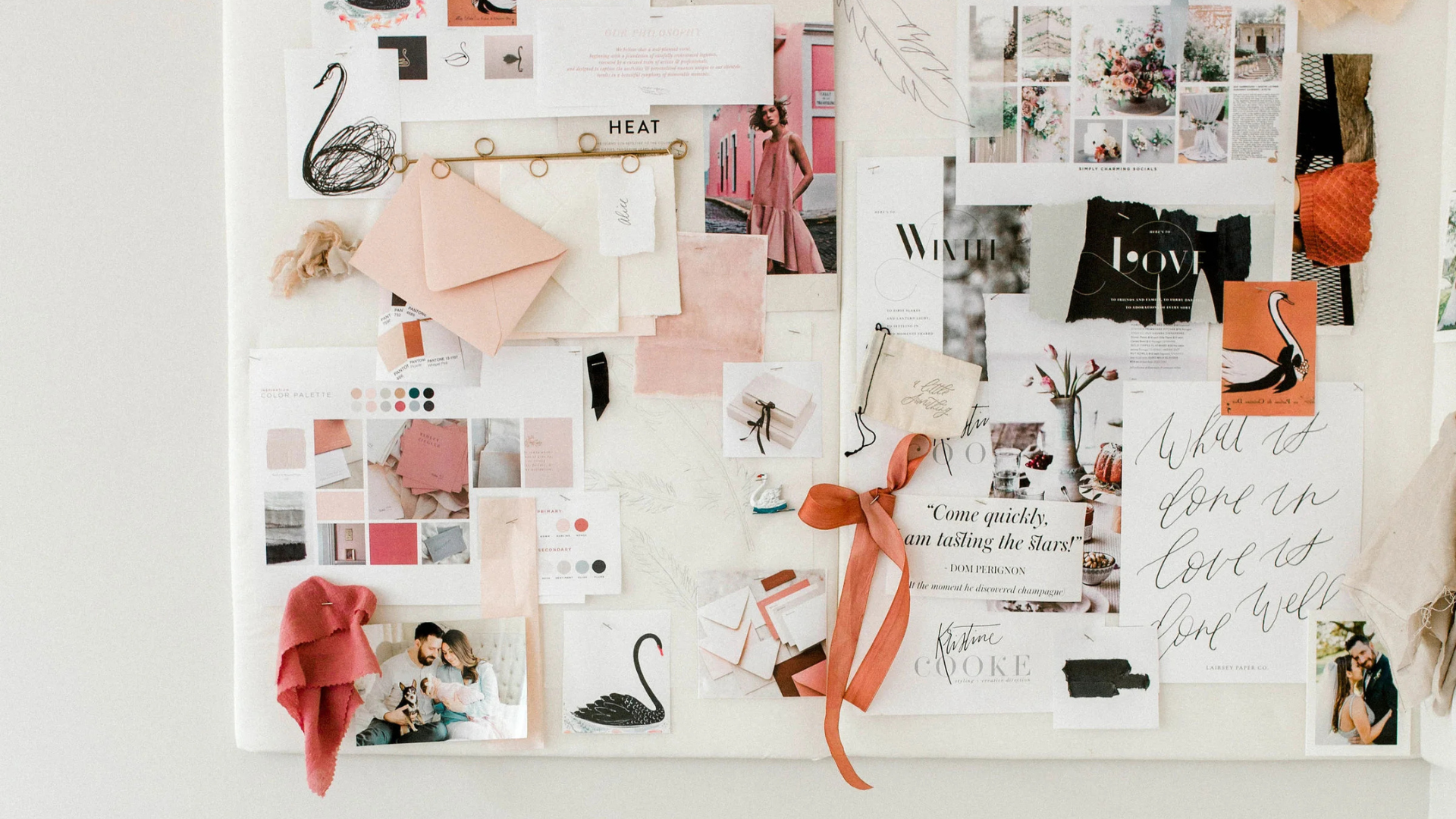
The vendors caught in the middle are the planners, florists, and designers who have to say "that's not possible" without sounding like they're not good enough. It's a frustrating position. The couple isn't wrong for wanting something beautiful. They just don't know the image they're referencing was never constrained by gravity, budgets, or the laws of physics.
The planners who handle this well don't dismiss the vision. They redirect it. "The floating table on water isn't something we can execute safely, but here's how we create a similar feeling with a waterside setup." That conversation is significantly easier when there's a written scope to point to -- a proposal that defines what's included, what's achievable at the specific venue, and what falls outside the project boundaries.
Without that document, the conversation stays abstract. With it, there's a shared reference point. "Here's what we agreed to. Here's why. And here's where we can push the creative boundaries within what's actually going to work."
Before you build your entire wedding vision around a Pinterest image, run it through a basic filter. Does the image come from a tagged vendor, a named venue, or a credited event? If there's no attribution -- no photographer tag, no venue tag, no planner credit -- the image might not be from a real event. That doesn't automatically mean it's AI-generated, but it means you can't verify it.
Ask your planner or designer directly: "Is this physically possible at our venue?" Good vendors will tell you the truth. Great vendors will offer an alternative that captures the same mood without the structural impossibility.
If you're an elopement or intimate wedding vendor, this problem is actually an opportunity. Smaller events have more flexibility in unique setups, and clients coming to you with impossible Pinterest boards are telling you exactly what aesthetic they're drawn to. Translate that into something real and you've earned a client for life.
The bigger issue is platform accountability. Pinterest and Instagram don't require AI-generated content to be labeled in any consistent way. Until that changes, the filtering responsibility falls on the people planning the event. Build your vision from credited, attributed, real-event images whenever possible. And when you find an image you love that seems too perfect, it might be exactly that.