Back in 2024, bridal stylist Samantha Ruiz, co-founder of Sera Studio, shared invaluable insights into bridal fashion trends during a Maroo webinar. That conversation resonated deeply with our community, so much so that we decided to revisit those foundational insights and see how the bridal landscape has evolved over the past two years.
The trends Samantha highlighted have only intensified in 2026. This updated guide reflects where those trends stand now, offering both stylists and brides a fresh perspective on what's defining bridal fashion in the moment.
Samantha's original prediction of exposed corsets and intricate lacework has proven prescient.
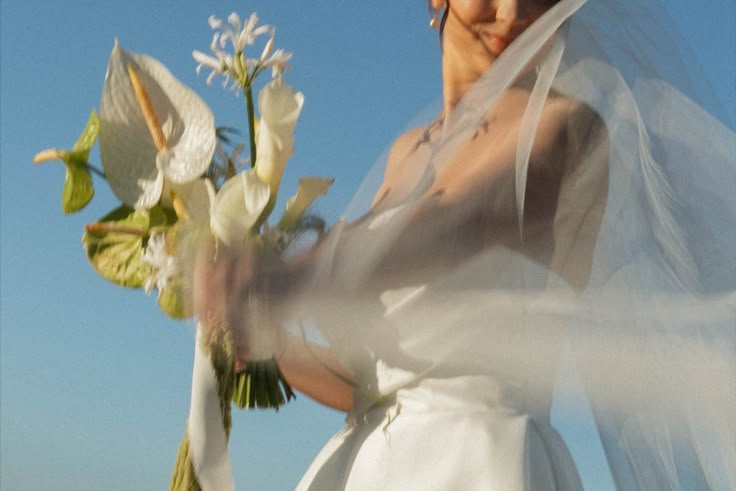
What's new in 2026: The trend has evolved into what industry insiders call "curated nostalgia"—think 1990s Vera Wang silhouettes, Victorian corsetry, and Jazz-age drop waists, but executed with ultra-modern architectural precision. Designers are now reimagining classic shapes with laser-cut motifs, peekaboo cutouts, and transparent overlays. The result? Gowns that feel both old Hollywood glamour and avant-garde runway.
The 2026 Stylist Take: Brides are increasingly seeking transformative pieces—gowns with removable sleeves, convertible skirts that transition from ceremony to reception, or veils that double as dramatic overskirts. It's personalization through versatility.
While peach remains a classic choice, 2026 has exploded into a far more nuanced palette.
What's evolved: Instead of a single dominant color, couples are now building "curated chaos" palettes that mix unexpected hues—soft pastels (blush, sage green, lilac) paired with jewel tones (emerald, burgundy, cobalt blue). Rich warm neutrals (sand, oatmeal, latte tones) are replacing crisp whites, creating a more sensory, intentional aesthetic.
The Sustainability Connection (Stronger Than Ever): Green hues continue to reflect a move toward eco-conscious weddings, but brides are now sourcing one-of-a-kind vintage and runway-archival pieces from luxury resale platforms. The "pre-loved" bridal gown market has exploded, with couples thrifting Ralph Lauren, Chanel, and Dolce & Gabbana pieces.
The 2026 Stylist Take: Help your clients build a mood board that feels uniquely theirs, not just on-trend. This might mean pairing a classic white gown with an unexpected jewel-tone sash, or sourcing a vintage piece and modernizing it with contemporary styling.
Groom styling has fully stepped into the spotlight.
What's changed: Grooms are no longer just matching the bride—they're making bold style statements. In 2026, expect to see double-breasted suits, deep forest greens, and unexpected colors like dusty rose, muted lavender, and burnt orange. Peak lapels and architectural tailoring have become the norm.
The 2026 Trend: Coordinating the entire bridal party has given way to "mix and match" aesthetics. Bridesmaids in different styles and colors (think Sex & the City vibes) allows every person to express their individuality while still feeling like a cohesive unit. Even black bridesmaid dresses are having a moment—clean, timeless, and infinitely versatile.
The 2026 Stylist Take: Sit down with the groom early and explore his personality. Does he want classic navy peak lapels, or is he ready to embrace a rich emerald suit? The groom's confidence in his attire directly impacts how the couple photographs.
This was Samantha's standout insight, and it has only intensified in 2026.
What's evolved: Personalization has gone far beyond monogrammed napkins. Couples are now branding everything—heirloom redesigns, custom jewelry with deeply personal symbolism, embroidered linens, letterpress menus, and even illustrated drink stirrers featuring family photos or their pet's face.
The 2026 Micro-Trend: "Modern Folklore"—a blend of artisanal craft with rooted storytelling. Hand-embroidered linens, natural motifs, and folkloric floral arrangements that feel warm, thoughtful, and connected to the couple's heritage (without being literal).
The 2026 Stylist Take: Push brides to think beyond the dress. What heirloom jewelry can be reimagined? What family textile or embroidery can be incorporated? This is where the emotional weight of the day truly lives.
Samantha spoke passionately about sustainability, and in 2026, it's become a non-negotiable expectation for many couples.
What's changed: Eco-friendly bridal fashion is no longer a niche—it's mainstream. Brides are sourcing vintage pieces, opting for secondhand designer gowns, and working with designers who prioritize ethical production and sustainable fabrics (silk crepe, organic linens, lab-grown diamonds).
The 2026 Stylist Take: Be fluent in the sustainability conversation. Know your local vintage boutiques, understand fabric sourcing, and be able to speak to the environmental impact of new vs. pre-loved pieces. Many brides will ask.
Samantha's expertise and the role of wedding stylists in general has become more critical than ever. Why? Modern brides are overwhelmed with options. A skilled stylist doesn't just select attire; they:
The bridal fashion landscape of 2026 is unquestionably diverse and daring. But beneath the color trends, nostalgic references, and cutting-edge silhouettes lies a deeper shift: brides and grooms are rejecting one-size-fits-all aesthetics in favor of deeply personal, intentional choices. They want to feel like the best version of themselves, not like a trend.
As a stylist, your job is to help them get there. Whether that's sourcing a 1990s Vera Wang piece, designing a custom gown with laser-cut details, or reimagining a family heirloom, the magic is in honoring who they are, not who fashion says they should be.
The bridal world isn't just evolving, it's personalizing. And that's where you come in.